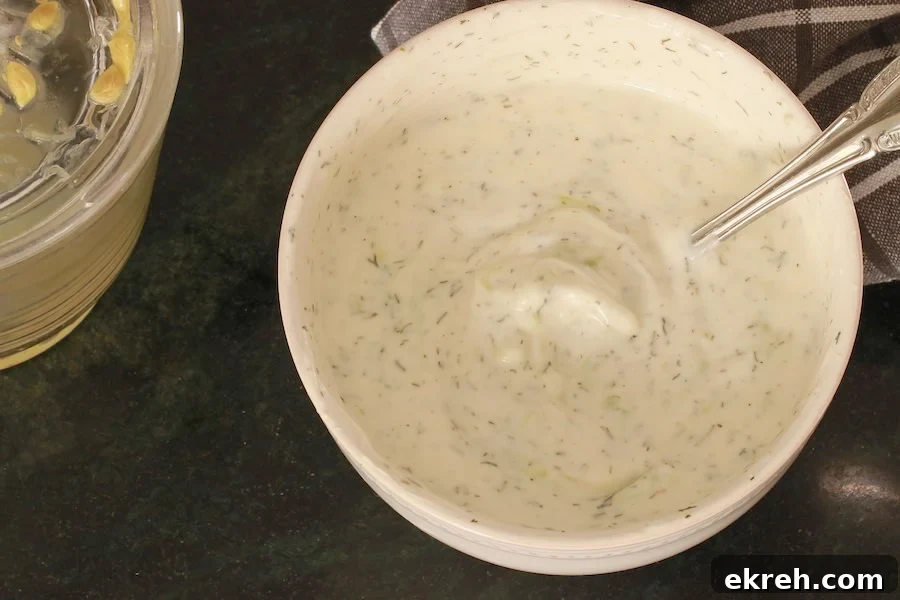
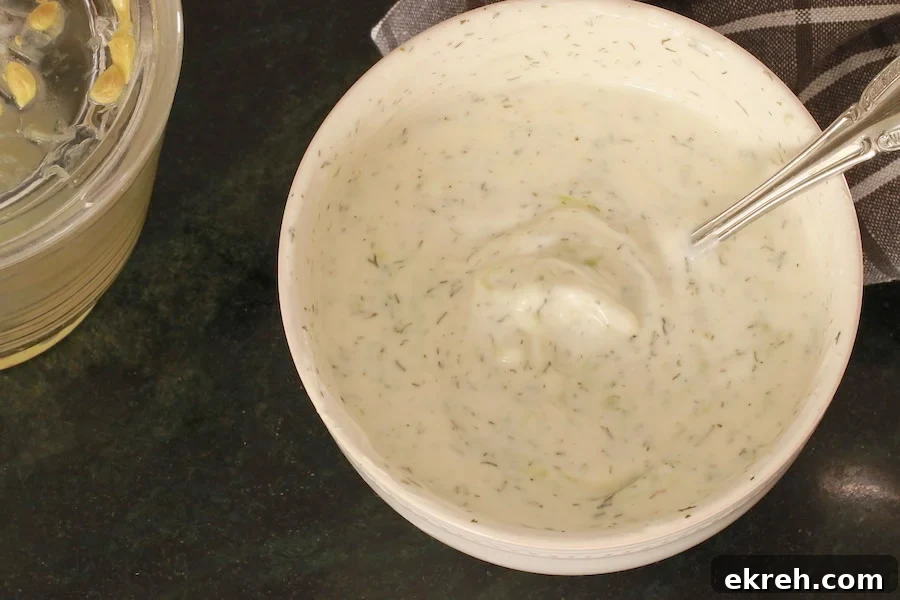
This vegan tzatziki sauce is oil-free yet full of bright, classic flavor. Plant-based yogurt is blended with traditional tzatziki ingredients to create a tangy, creamy sauce that elevates many dishes. Use it with potato pancakes, falafels, veggie burgers, Greek-style bowls, potato salad, or as a dip for pita and raw vegetables. For best results, make the sauce the night before so the flavors can meld.
Method Overview
- Peel, seed, shred, and drain the cucumber
- Combine the yogurt with lemon, dill, garlic, salt, and pepper
- Fold the drained cucumber into the yogurt mixture
- Refrigerate at least one hour, preferably overnight, before serving
How to prepare the cucumber
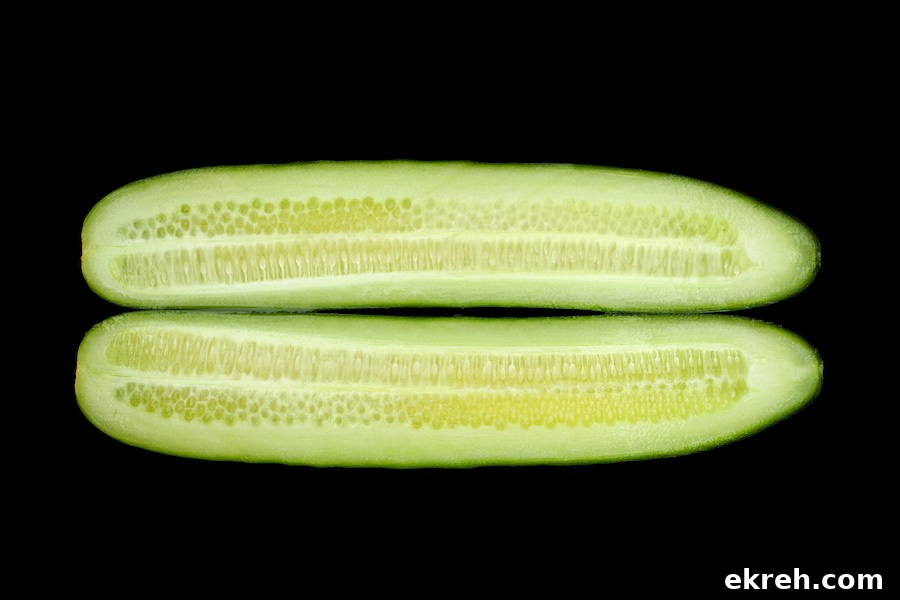
Peeling the cucumber helps avoid any bitter skin flavor. Cut the cucumber in half lengthwise and remove the seeds to prevent excess water in the sauce. Shred the cucumber and then drain it thoroughly so the final tzatziki is rich and creamy instead of thin and watery.
Frequently Asked Questions
No — you want a thick, non-watery yogurt. A plain, unsweetened plant-based yogurt with a thicker texture works best. If Greek-style plant yogurts are available, they provide the creamiest result. Look for unsweetened plain or Greek-style varieties from brands available in your area.
When made with fresh yogurt and kept refrigerated, tzatziki will typically last about five days.
Vegan Tzatziki Sauce (oil-free)
Course: condiment, dip, dressing, sauce
Cuisine: Greek-style
Author: Judy DeLorenzo
Equipment
- Fine mesh strainer or cheesecloth
- Box grater (large holes) or coarse shredder
- Mixing bowl and spatula
Ingredients
- 1 large cucumber
- 16 ounces plant-based unsweetened plain or Greek-style yogurt (use a thick variety)
- 1/4 teaspoon lemon zest
- 2 tablespoons freshly squeezed lemon juice
- 2 tablespoons finely chopped fresh dill (or 2 teaspoons dried)
- 1/4 to 1/2 teaspoon Himalayan sea salt (adjust to taste)
- 1/8 to 1/4 teaspoon garlic powder, or 1–2 garlic cloves finely minced
- Pinches of freshly ground black pepper
Instructions
To prepare the cucumber
- Peel the cucumber and cut it in half lengthwise. Use a spoon to scrape out and discard the seeds.
- Using the large holes of a box grater, shred the cucumber. Roughly chop the shreds so they are not long strands.
- Place the shredded cucumber in a fine mesh strainer set over a bowl. Sprinkle a pinch of salt over the shreds and gently stir occasionally to help release the juice. Let the cucumber drain for at least 15 minutes. Alternatively, wrap the shreds in cheesecloth and gently squeeze to remove excess liquid.
To make the tzatziki
- In a medium bowl, whisk together the plant-based yogurt, lemon zest, lemon juice, chopped dill, salt, garlic powder (or minced garlic), and pepper until well combined.
- Once the cucumber has drained, fold the shredded cucumber into the yogurt mixture.
- Cover and refrigerate for at least one hour, preferably overnight, so the flavors can develop and blend.
Notes and Tips
- The liquid drained from the cucumber is flavorful and refreshing; consider drinking it or using it in a small smoothie rather than discarding it.
- If you do not have a fine mesh strainer, cheesecloth or a clean kitchen towel will work for squeezing out excess moisture.
- Dill is traditional in tzatziki, but you can substitute finely chopped fresh parsley or a smaller amount of fresh mint for a different herb note.
- Garnish with chopped scallions if desired.
- For non-oil-restricted servings, a light drizzle of extra virgin olive oil can be added just before serving for extra richness.
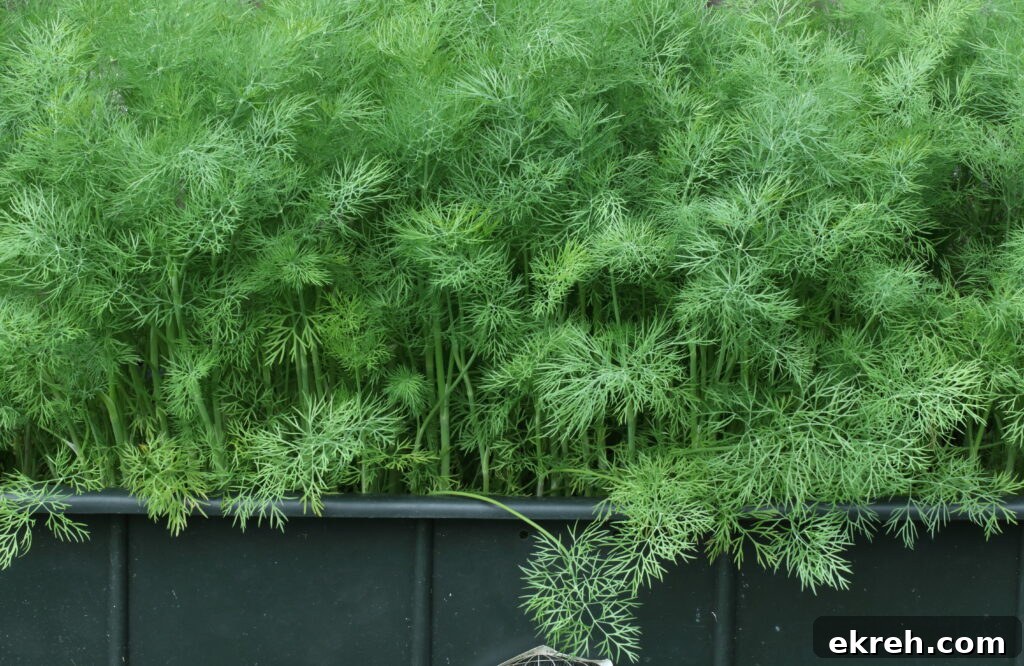
Growing dill in the garden or in containers
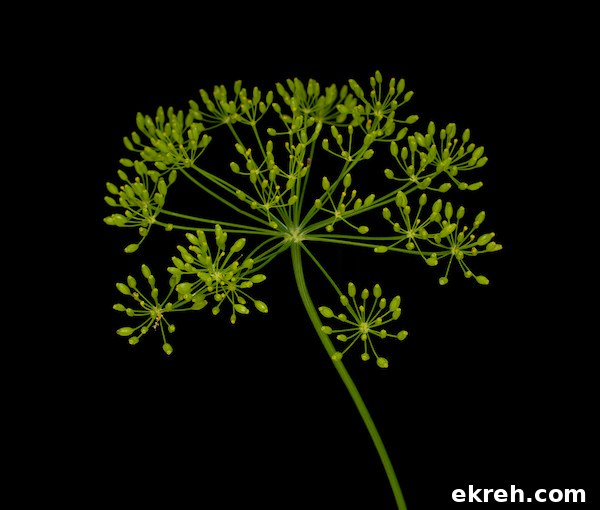
Dill is an easy herb to grow both in garden beds and in containers. Late in the season dill produces flowers that develop seeds; these seeds can be collected and stored for later use. Dill is versatile: dill weed, dill seed, and dill tops can flavor pickles, dressings, salads, soups, stews, and sauces like this tzatziki.
If you enjoy this Vegan Tzatziki Sauce, you may also like other creamy dill-based dressings and seasonal vegetable dishes that pair well with herb-forward sauces.