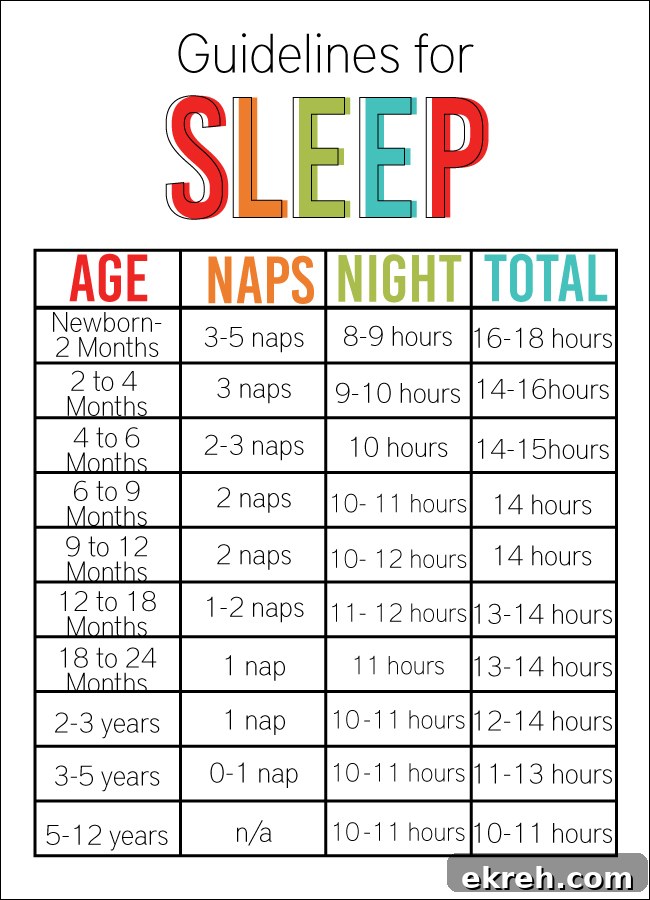
Parenting sparks some of the most passionate conversations—and sleep is no exception. People have strong opinions about what children’s sleep schedules should look like. Some parents insist on early bedtimes; others are comfortable letting their kids stay up later. Today I want to talk about sleep guidelines and explain why my kids don’t go to bed as early as some charts recommend—and why that works for our family.
I’ve been in both camps. When my oldest two were small, we were very strict about bedtime—7:00 or 7:30 p.m. was the norm. Our days were long and full (therapy, school, activities), and by evening everyone was exhausted. Those early bedtimes gave the adults a predictable block of quiet time. Dinner was together at 5:00 p.m., then baths, pajamas, books and prayers before lights out. It felt orderly and comforting in the chaos.
Fast forward to today: our family schedule has changed dramatically. With three older kids, evening activities, homework and my husband attending law school at night, we rarely find everyone home together before 8:00 p.m. Evenings are filled with church events, sports and study sessions. Bedtime routines look different when family life is full of commitments. I understand now why parents of older kids often say it’s hard to sit down together for dinner.
At the start of the school year a friend shared a school chart with recommended bedtimes. I asked friends if their children actually followed that schedule. Many agreed the chart was unrealistic for busy families. I even posted a lighthearted update of that chart on social media to highlight how impractical strict hour-by-hour rules can be when life gets hectic.
To be clear: we do have expectations. My children are expected to be in bed by 9:00–9:30 p.m. most nights. They’ve always been early risers, and when they stay up much later they’re noticeably grumpy the next day. This isn’t about letting kids stay up whenever they want. It’s about finding a practical, balanced routine that fits our family’s schedule while still prioritizing healthy sleep.
Balance is the goal. Adequate sleep helps children learn, grow and stay healthy, so bedtime matters. I use reputable resources about sleep duration when planning our family’s routine. Based on general age-by-age guidance for sleep needs, I created a simple printable chart to help families choose a reasonable bedtime target for their children. The chart is meant as a guideline—useful for shaping a consistent bedtime rather than enforcing a rigid rule that doesn’t match your daily life.
If you prefer an earlier schedule, many families successfully have children in bed by 7:00 p.m. every night and find it works well for their priorities and routines. Other families—including ours—aim for a later but consistent bedtime that fits evening commitments while still ensuring children get the sleep they need. Neither approach is inherently right or wrong; the best bedtime is one that supports your child’s sleep needs and your family’s lifestyle.
Which side do you fall on? Do you enforce an early bedtime or choose a later schedule that accommodates evening activities? Share what works for your household—bedtime routines, strategies for winding down, and tips for balancing busy schedules are all useful for parents navigating sleep guidelines.
For more parenting guidance, check out other posts in the parenting category where I share practical tips on routines, manners, technology and life skills for kids.
- Guidelines for Leaving Kids Home Alone
- Guidelines for Manners
- Guidelines for Practical Life Skills
- Guidelines for Money
- Guidelines for Technology