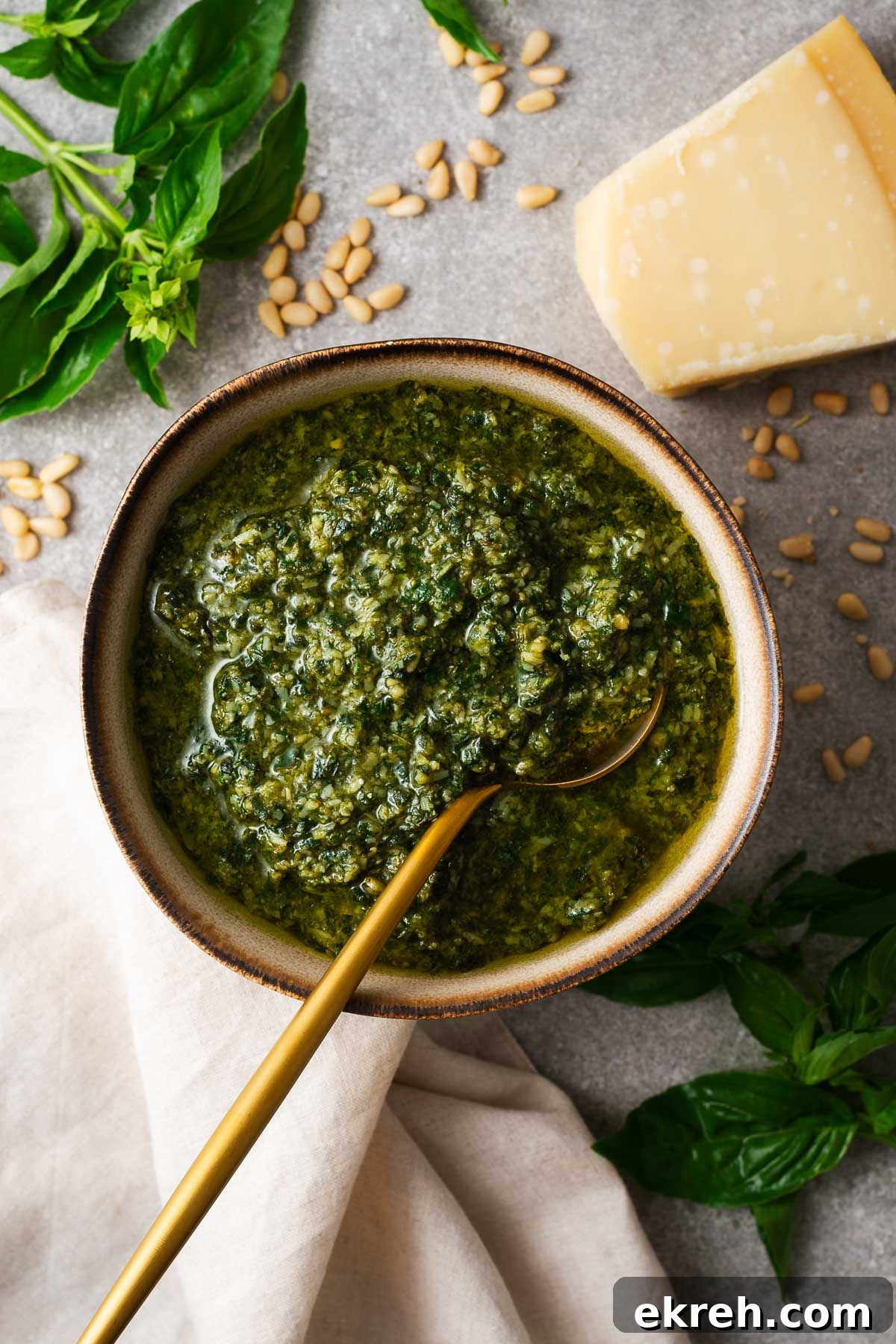
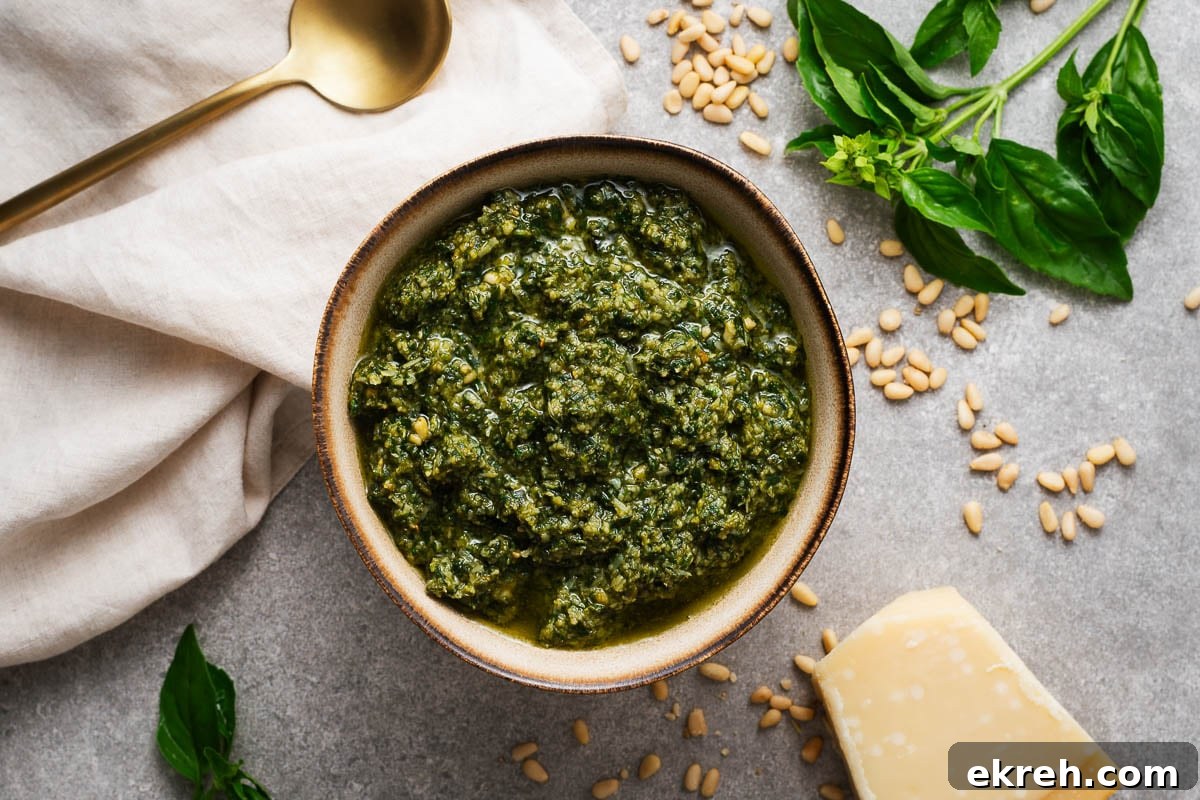
With a food processor and a few simple ingredients, you can make a large batch of fresh homemade pesto in minutes. This recipe adapts Samin Nosrat’s food processor technique to create traditional Italian pesto in an easy, reliable way.
This large-batch basil pesto has the ideal balance of salty, nutty, and herb-forward flavor. Naturally gluten-free, it’s perfect tossed with pasta, spread on sandwiches, served as a dip for vegetables, or used in a basil pesto Caprese salad.
If you prefer to make smaller batches the traditional way, see my mortar-and-pestle method for pesto alla Genovese. For a dairy-free option, try the plant-based basil pesto alternative.
Why I make large batches of basil pesto
- Simple and quick: A food processor or blender does most of the work, so you get authentic pesto flavor without hours of effort.
- Very versatile: Pesto brightens pasta, sandwiches, roasted vegetables, salads and grilled proteins—use it any time you want an herb-forward boost.
- Freezer-friendly: Make a big batch and freeze portions for quick weeknight meals—easy to thaw and use.
Ingredients and helpful substitutes
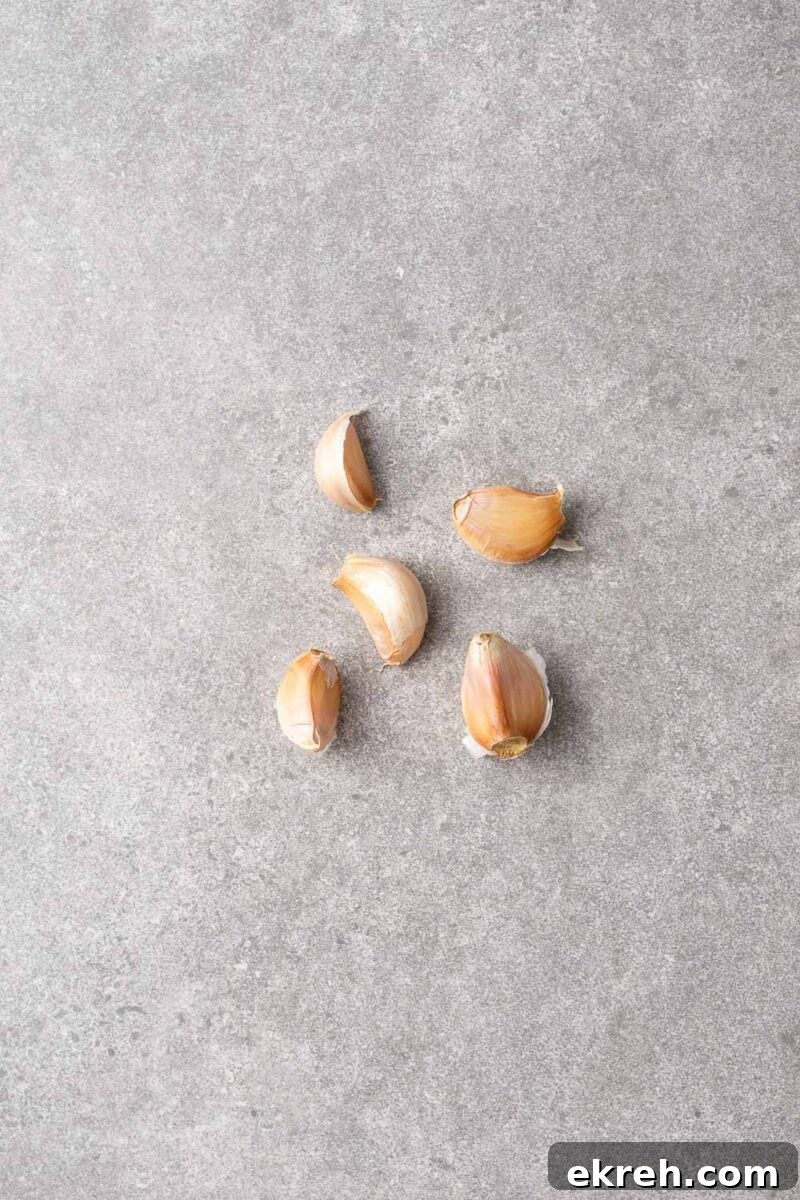

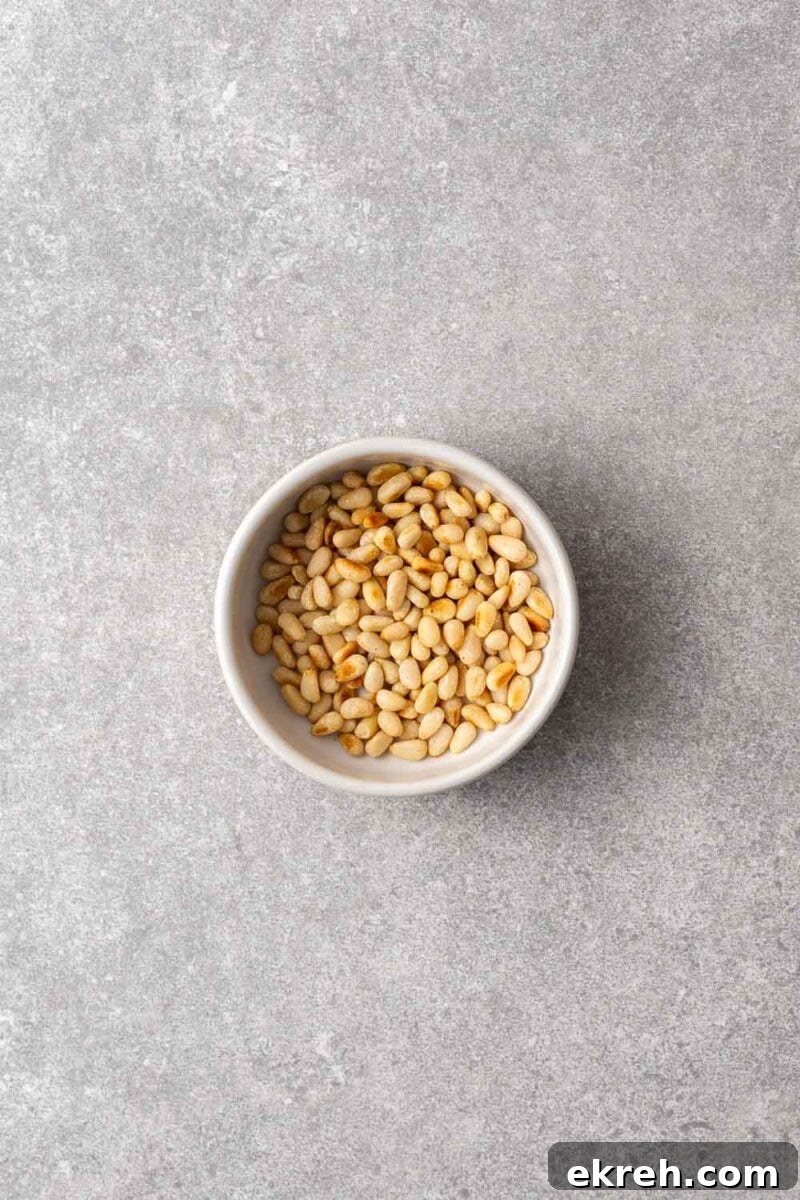
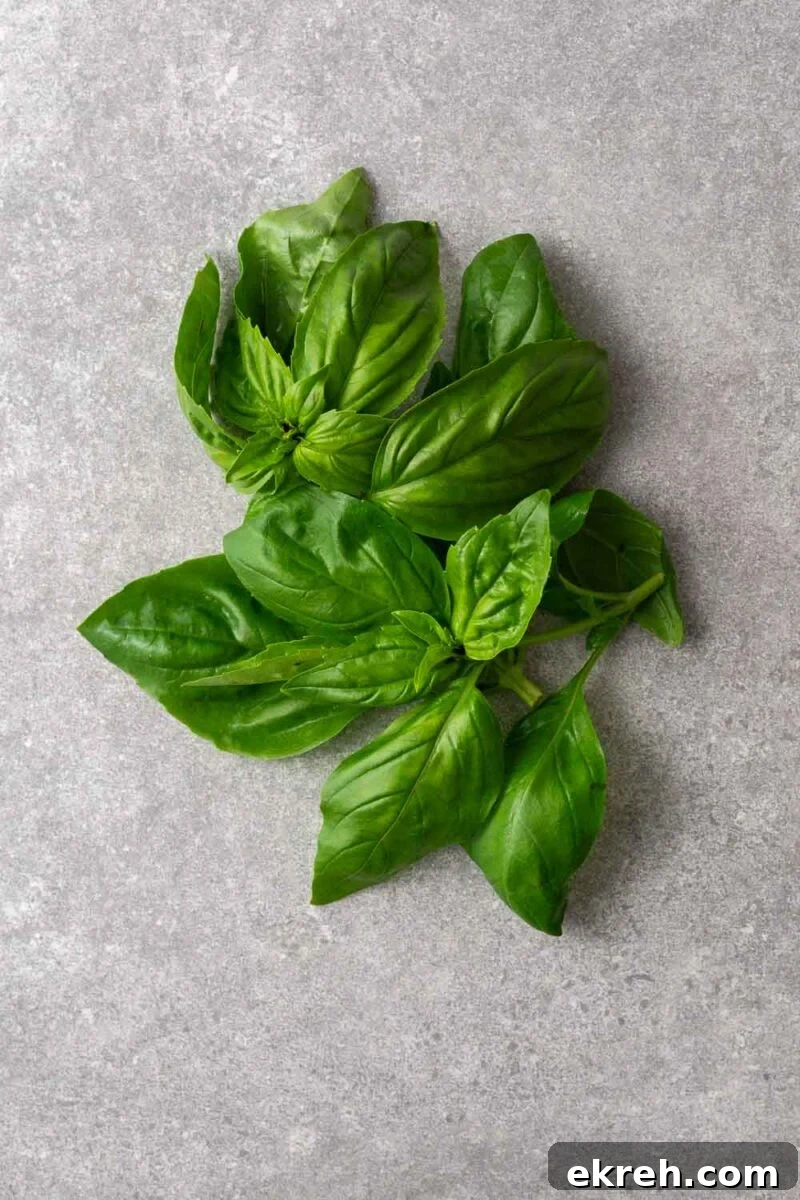
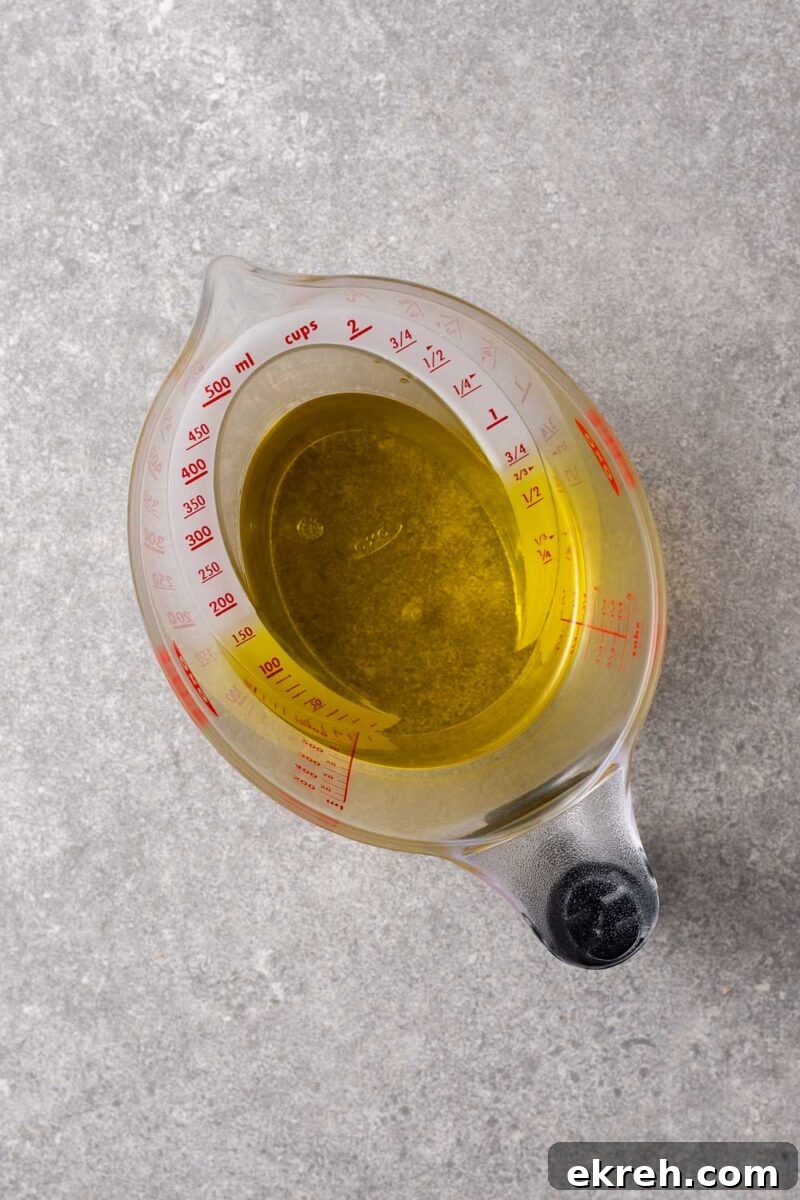
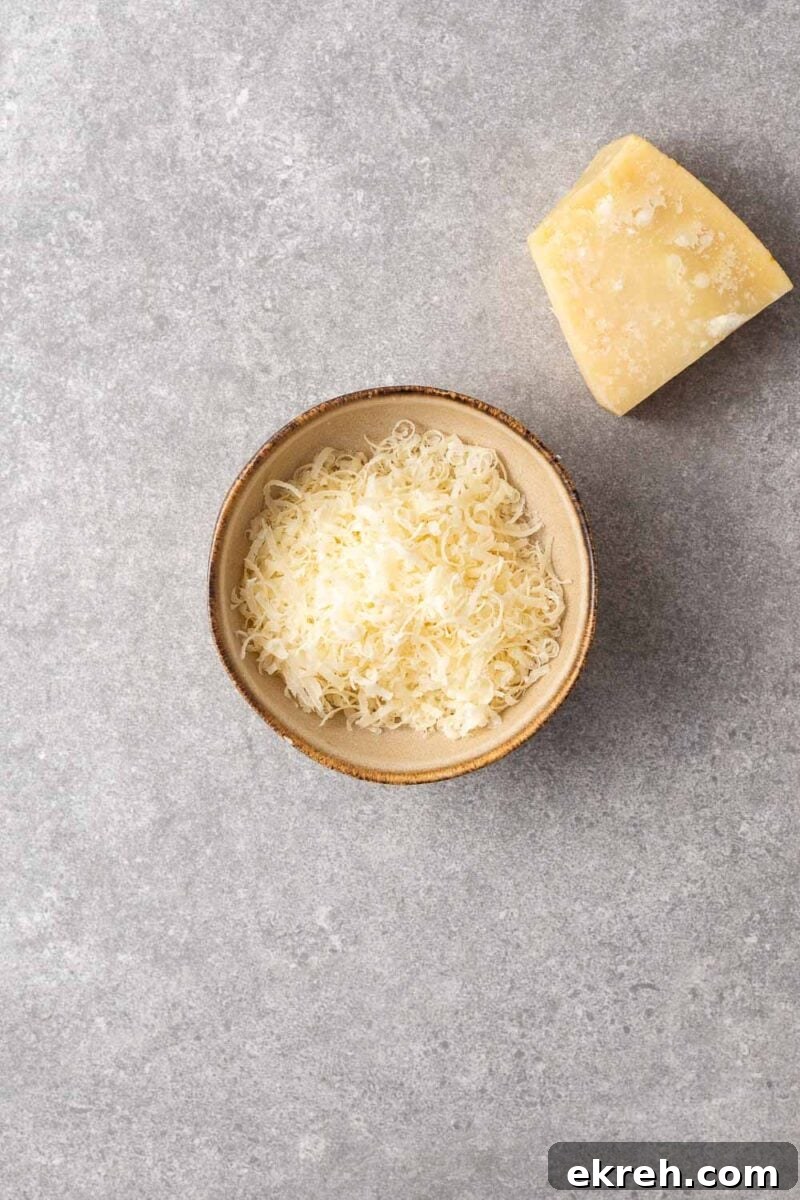
- Garlic: One clove gives a mild raw-garlic note. Increase to two or three cloves if you prefer a stronger garlic punch.
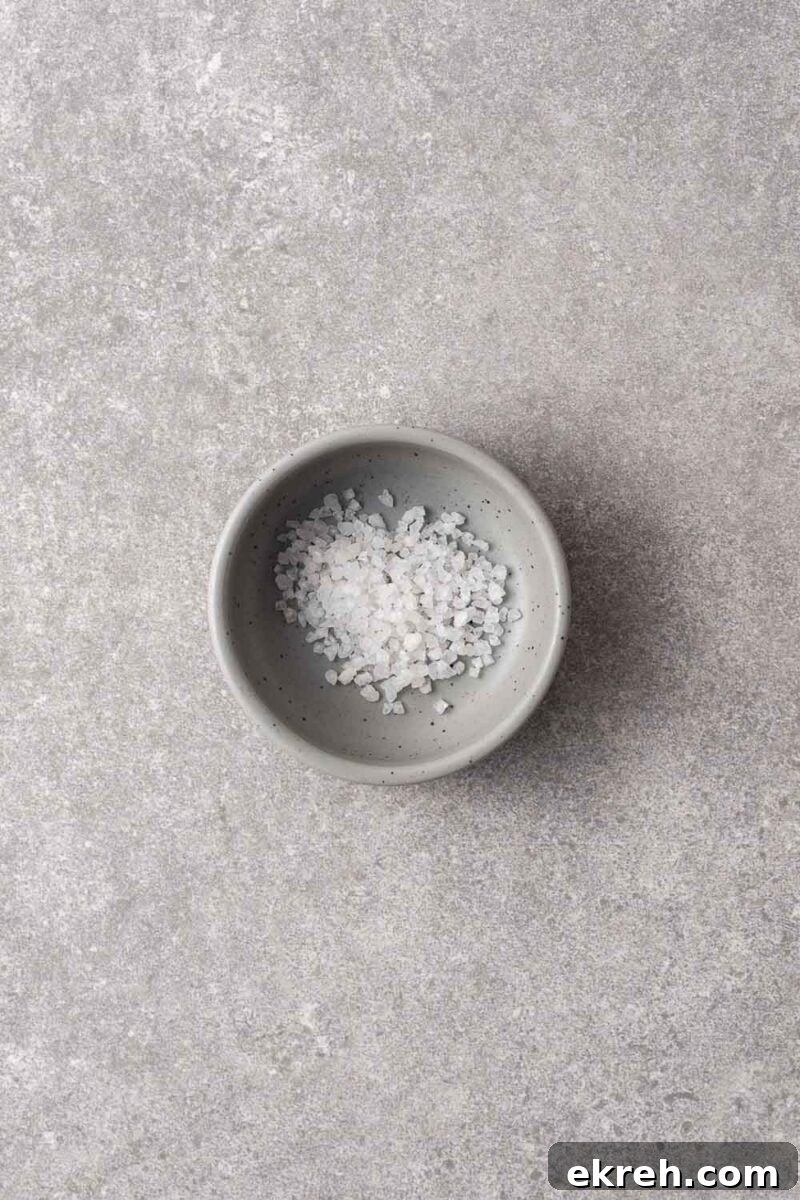
- Salt: Coarse salt helps when using a mortar and pestle. Finish seasoning with kosher or fine sea salt to taste.
- Pine nuts: Lightly toasting pine nuts in a dry pan deepens their flavor; raw nuts work fine, and you can swap in other nuts if you prefer.
- Extra virgin olive oil: Use a good-quality oil for flavor and to help preserve the pesto. Reserve extra oil to adjust consistency and to cover the pesto for storage.
- Fresh basil leaves: Fresh, fragrant basil is the backbone of the sauce. Pack the leaves in the measuring cup rather than pressing them down.
- Parmigiano Reggiano: Finely grated parmesan adds savory, nutty richness. For a sharper edge, blend in some Pecorino Romano. For a vegan version, swap cheese for lemon juice and nutritional yeast to provide acidity and umami.
For a brighter, slightly tangy pesto, add one tablespoon fresh lemon juice and a little lemon zest. For a dairy-free version, omit the cheese and use lemon plus nutritional yeast.
How to make a big batch of pesto with a food processor
Making a large batch of classic basil pesto with a food processor is fast and straightforward. The key to great texture and color is not to overprocess the basil—work the garlic and nuts smooth first, then add the basil briefly.
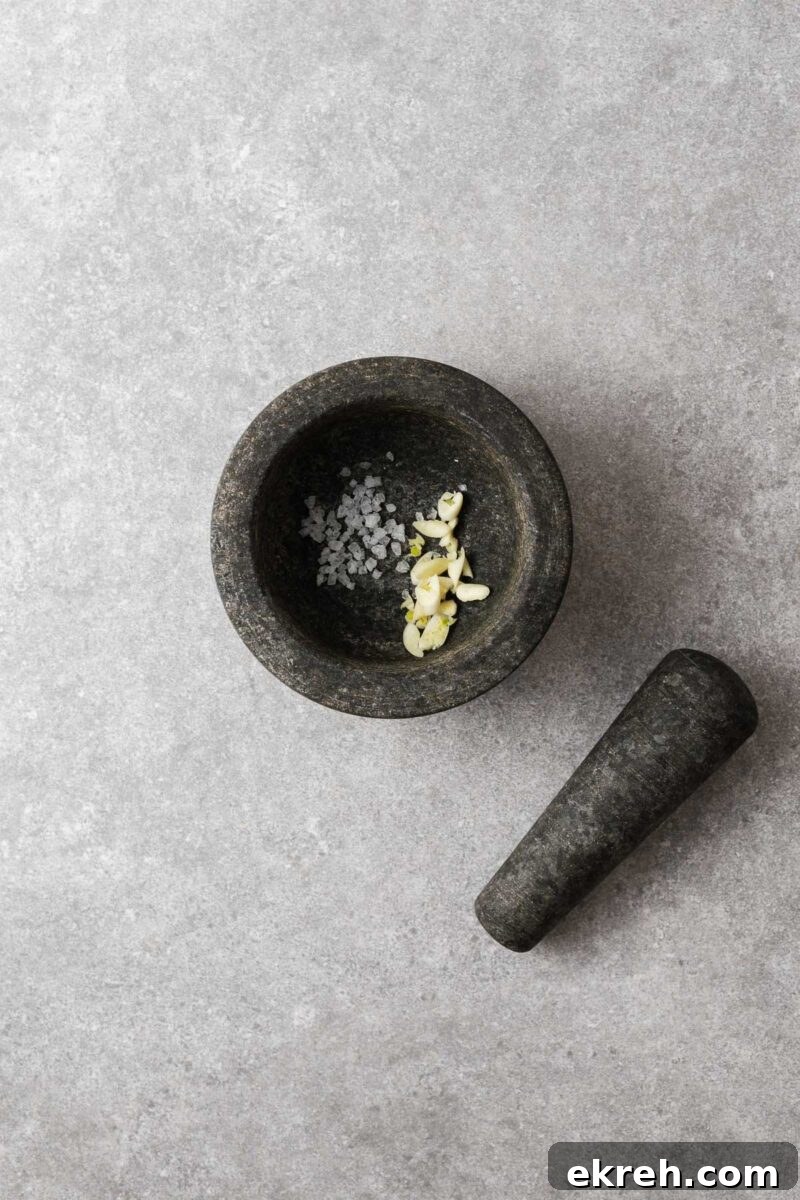

Step 1: Grind a roughly chopped garlic clove with ½ teaspoon coarse salt into a paste in a mortar. If you don’t have a mortar, pulse garlic and salt in the food processor until coarse.
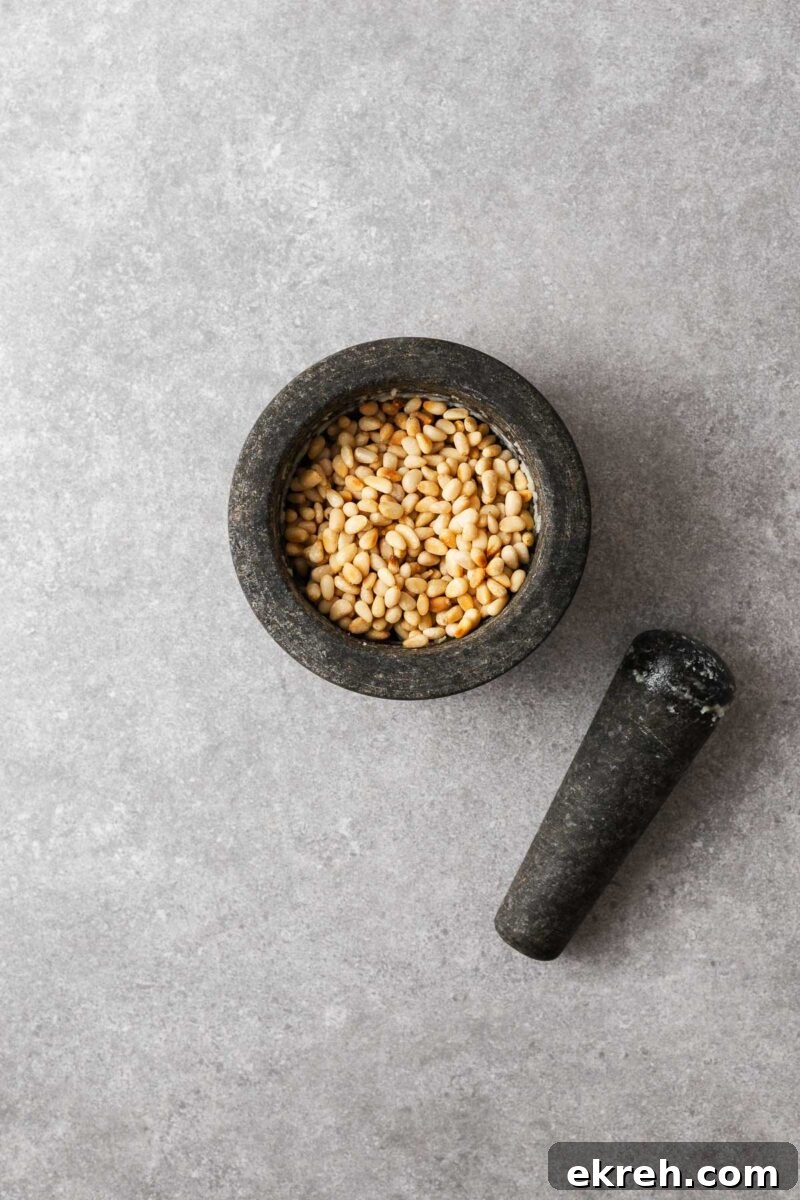
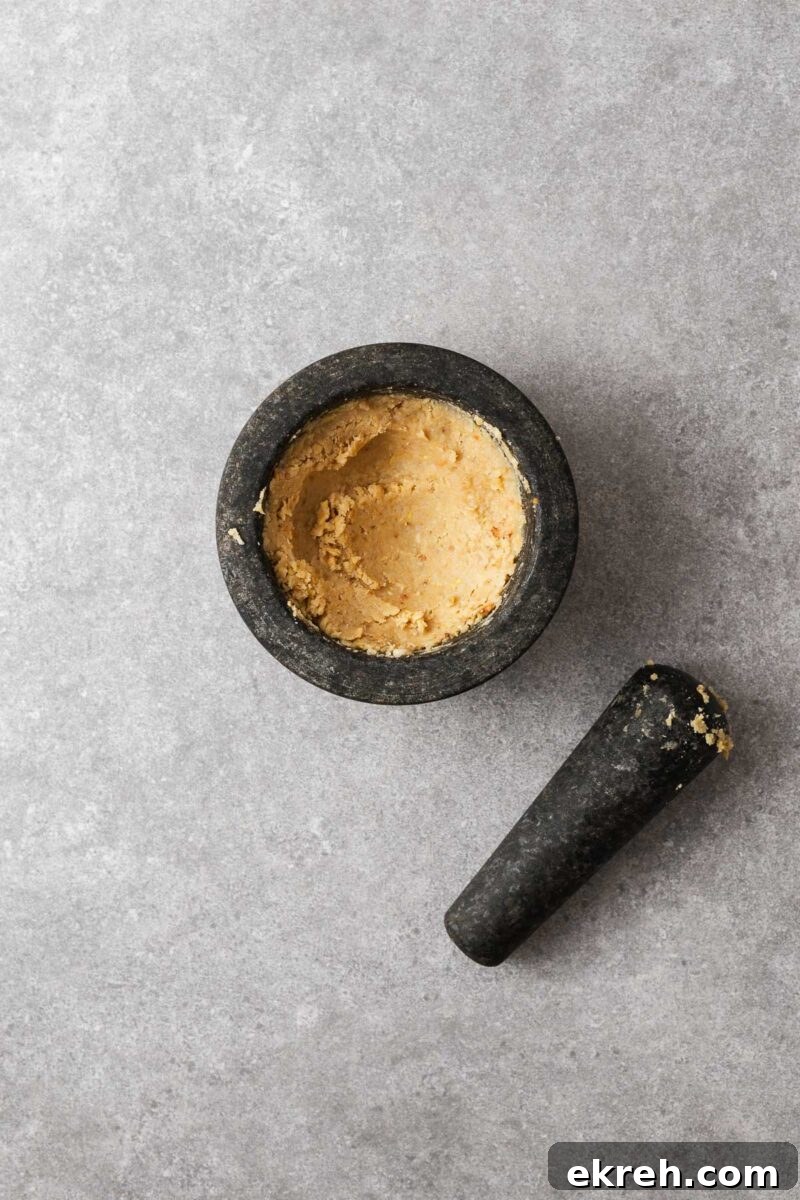
Step 2: Add toasted pine nuts and pound into a creamy paste. If using a food processor, pulse nuts with the garlic paste, then drizzle in half the olive oil while processing until smooth.
If you’re using a food processor for this step, stop to scrape down the bowl a few times for an even texture.
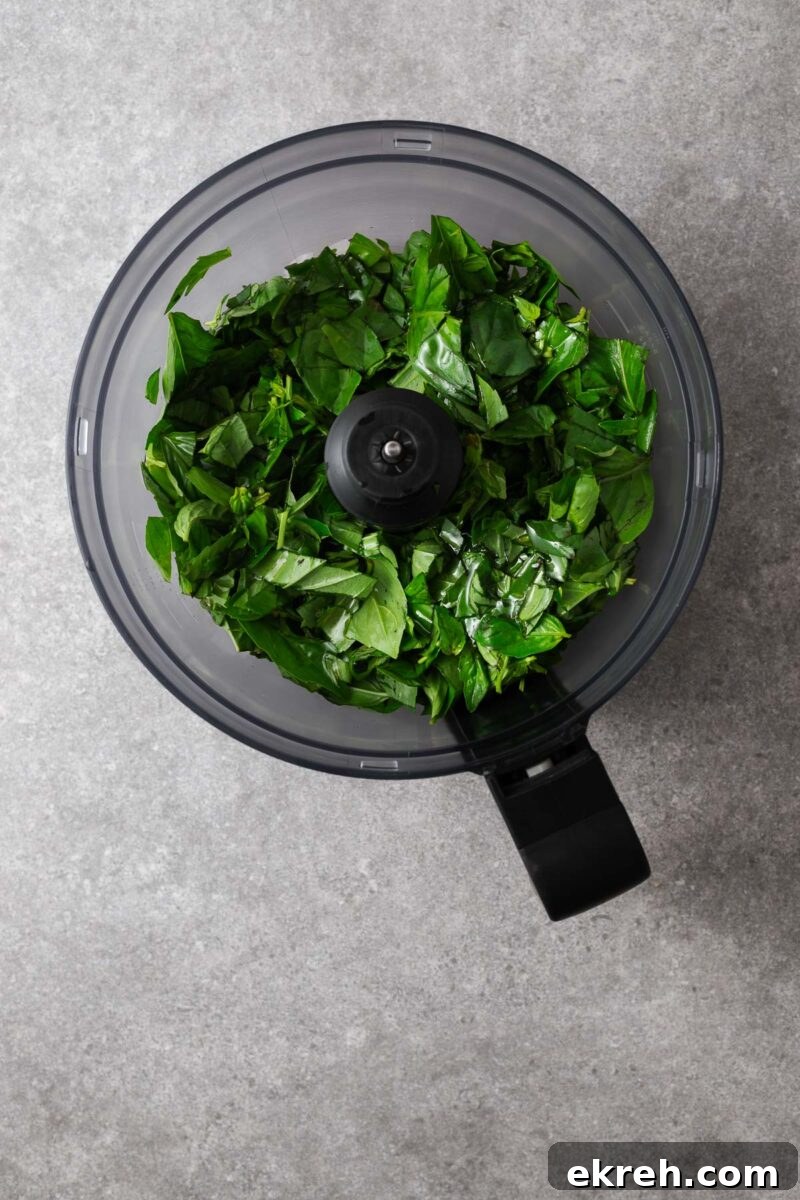
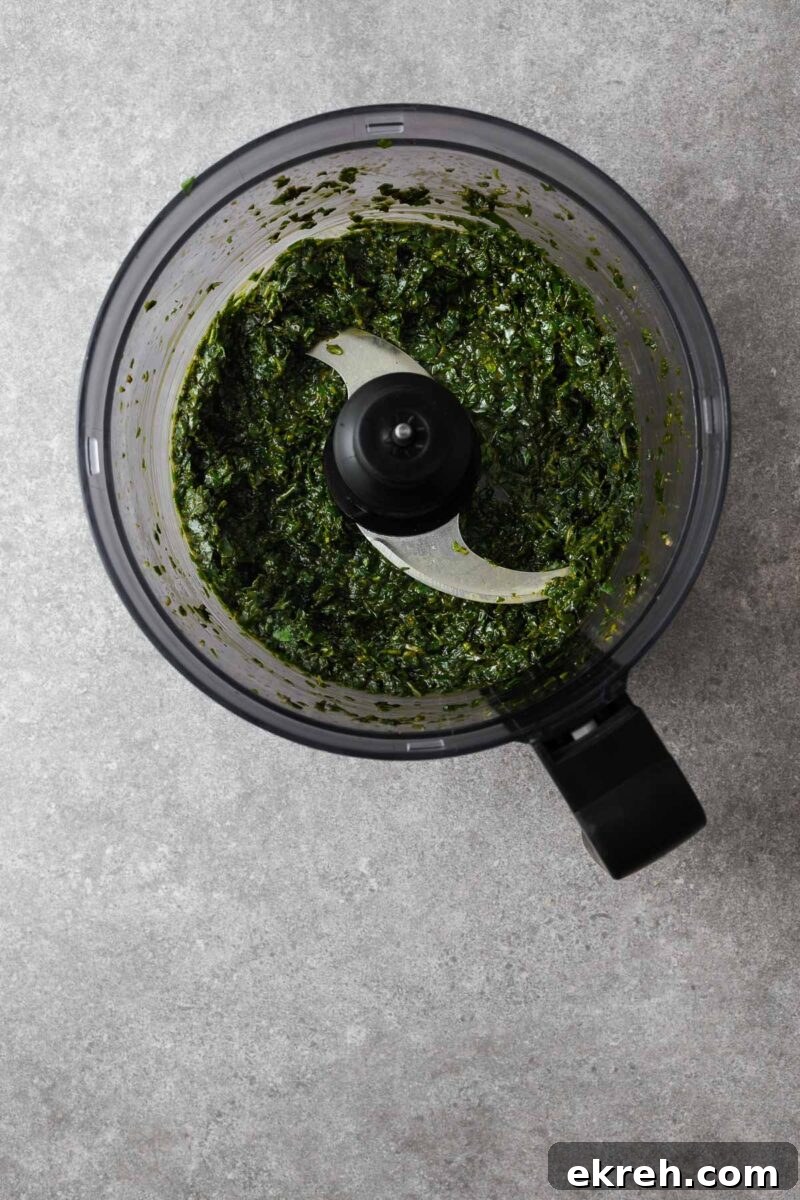
Step 3: Slice basil into ribbons to shorten processing time. Add the sliced basil to the food processor with half the remaining olive oil and pulse until vibrant and just broken down—about 1–2 minutes. Scrape the bowl as needed.
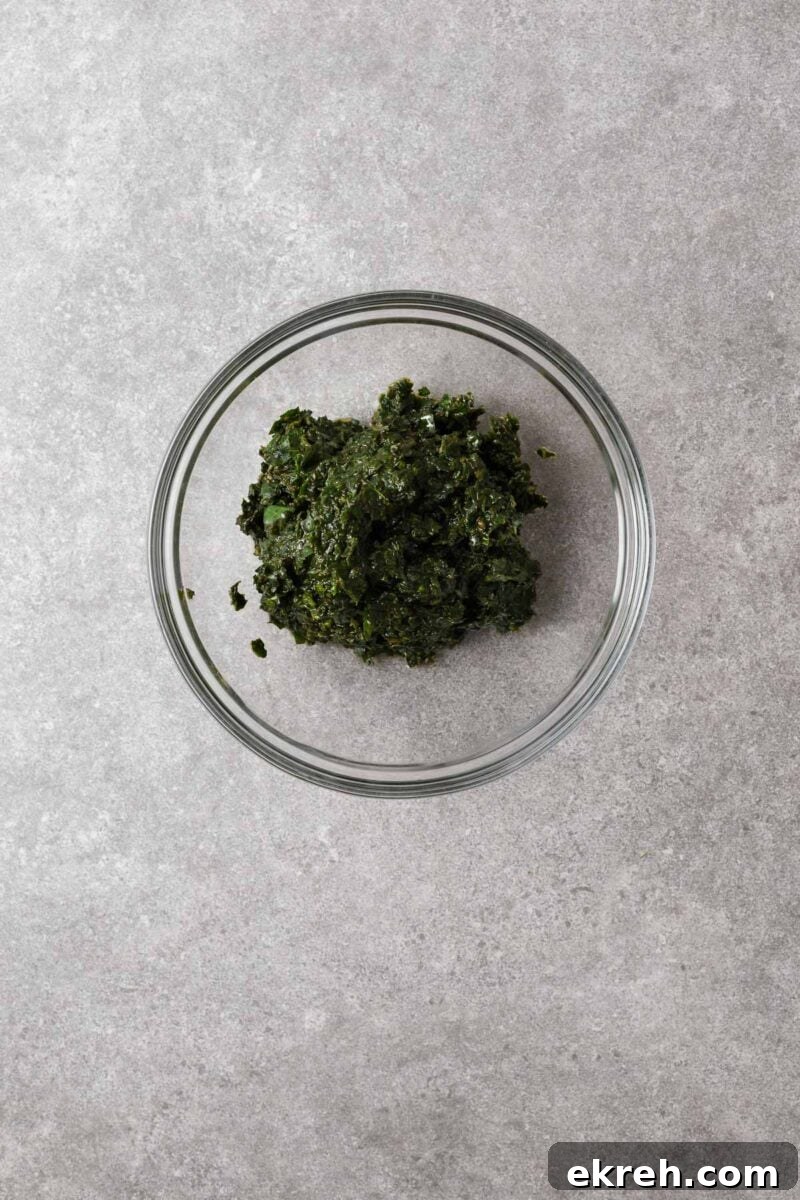
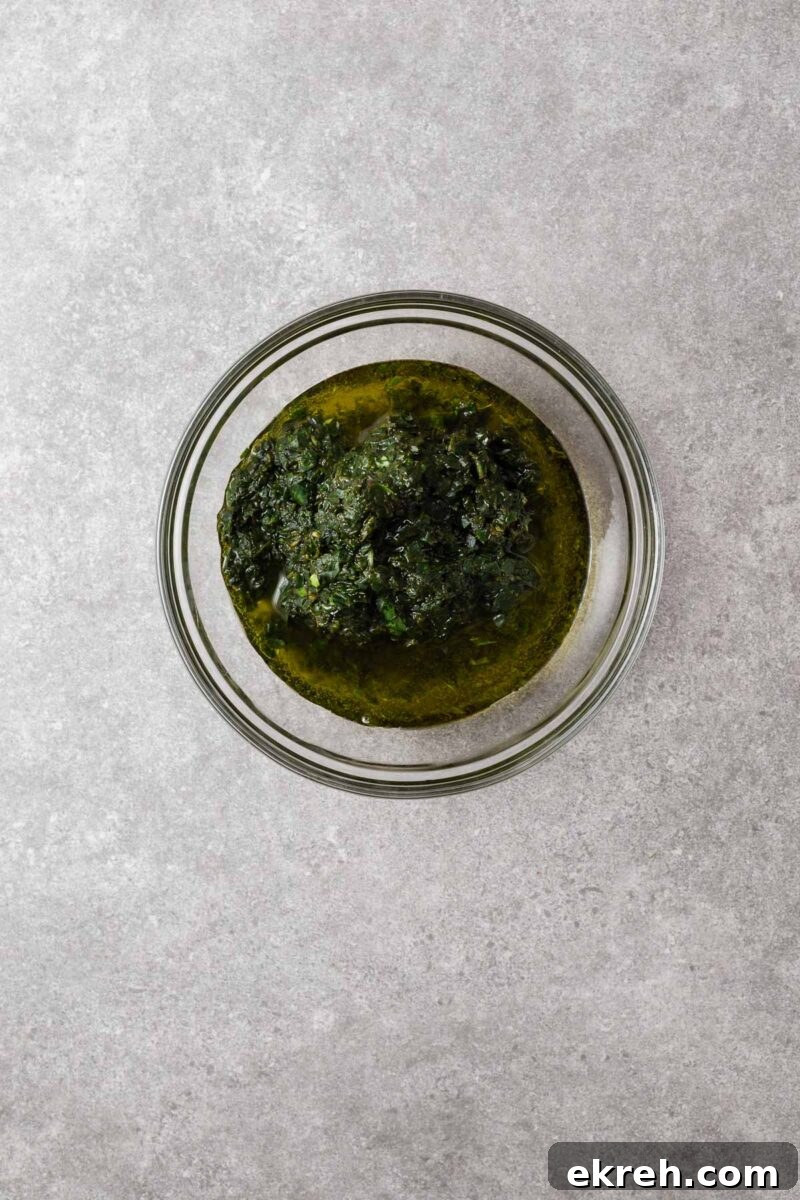
Step 4: Transfer the basil paste to a bowl and stir in the remaining olive oil.
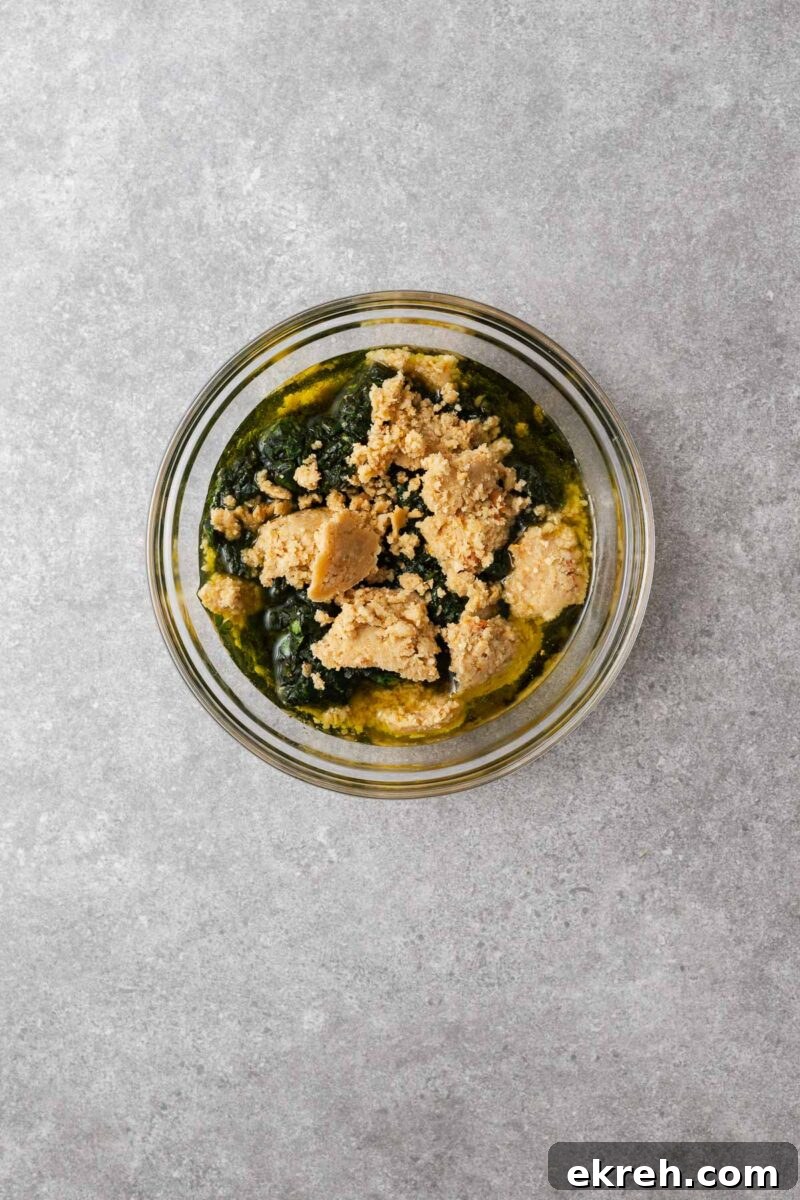
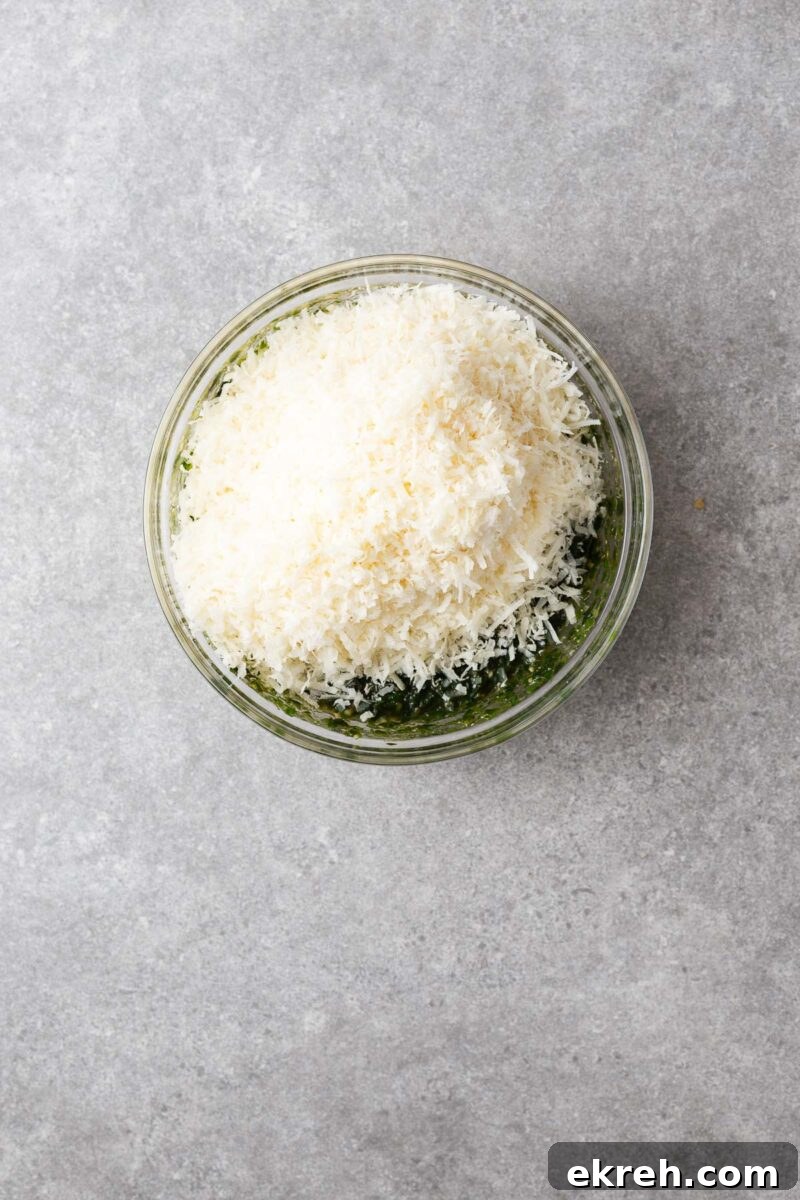
Step 5: Stir in the garlic-and-pine-nut paste until smooth and evenly blended.
Step 6: Mix in the finely grated parmesan until incorporated.
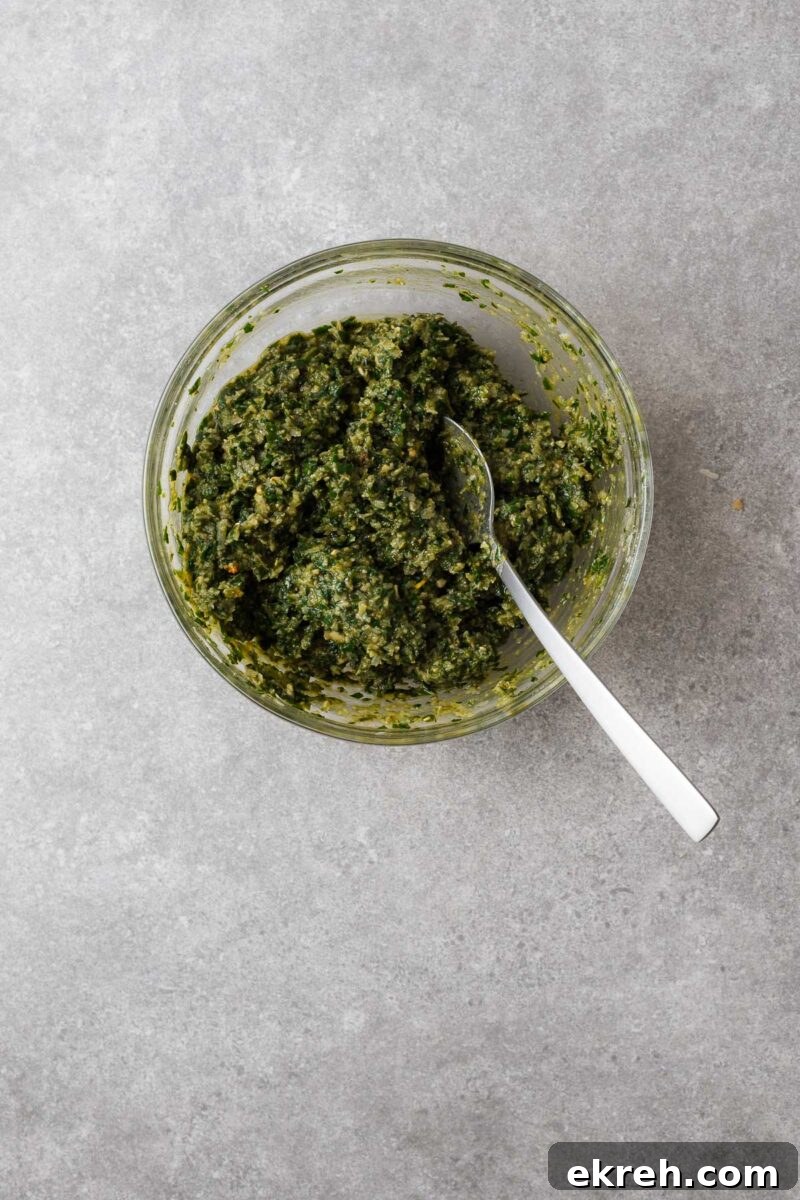
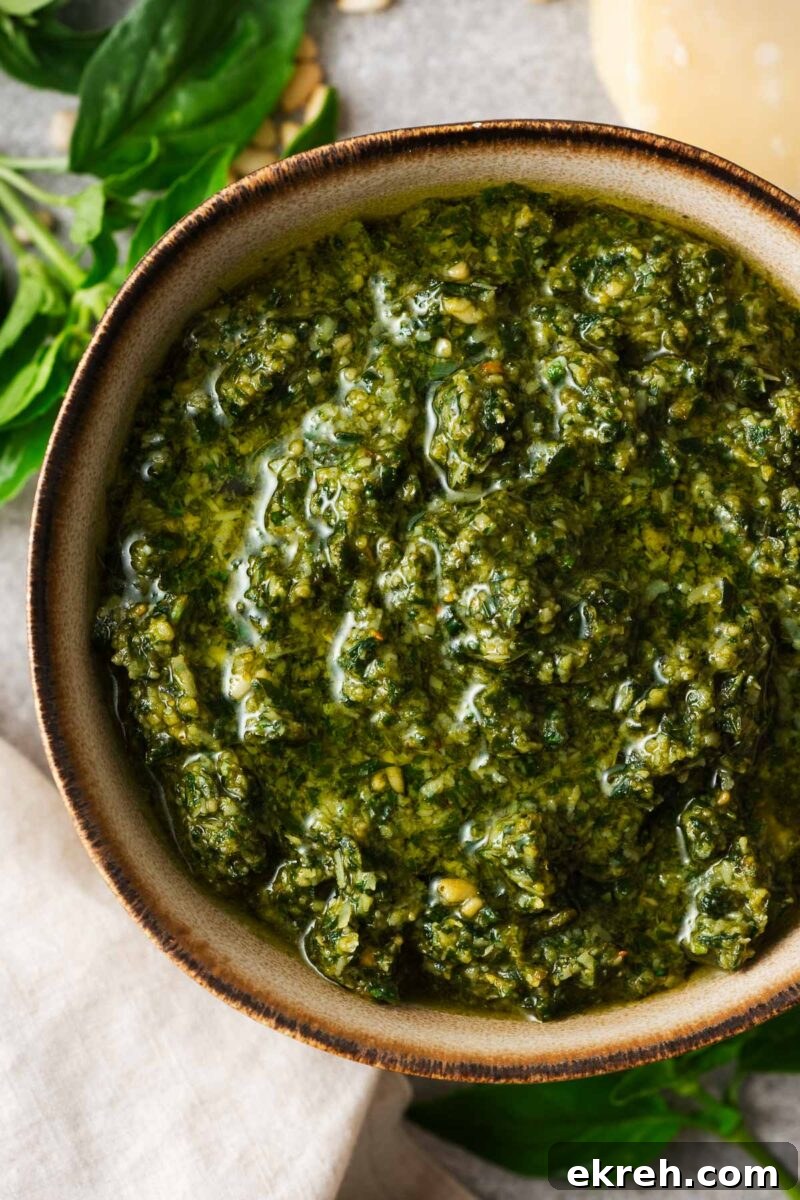
Step 7: Taste and adjust salt. Let the pesto rest a few minutes, then adjust again. If you prefer a thinner sauce, stir in an extra tablespoon or two of olive oil until you reach the desired consistency.
To store, transfer pesto to an airtight container and pour a thin layer of olive oil over the top to limit air exposure. Refrigerate up to three days or freeze for longer storage.
How to freeze homemade basil pesto
You can freeze homemade pesto for up to three months. Lightly coat an ice cube tray with olive oil, spoon pesto into each cavity, and drizzle a little oil over the top of each portion. Freeze until solid, then transfer the pesto cubes to a sealed freezer bag. Defrost cubes as needed for quick use.
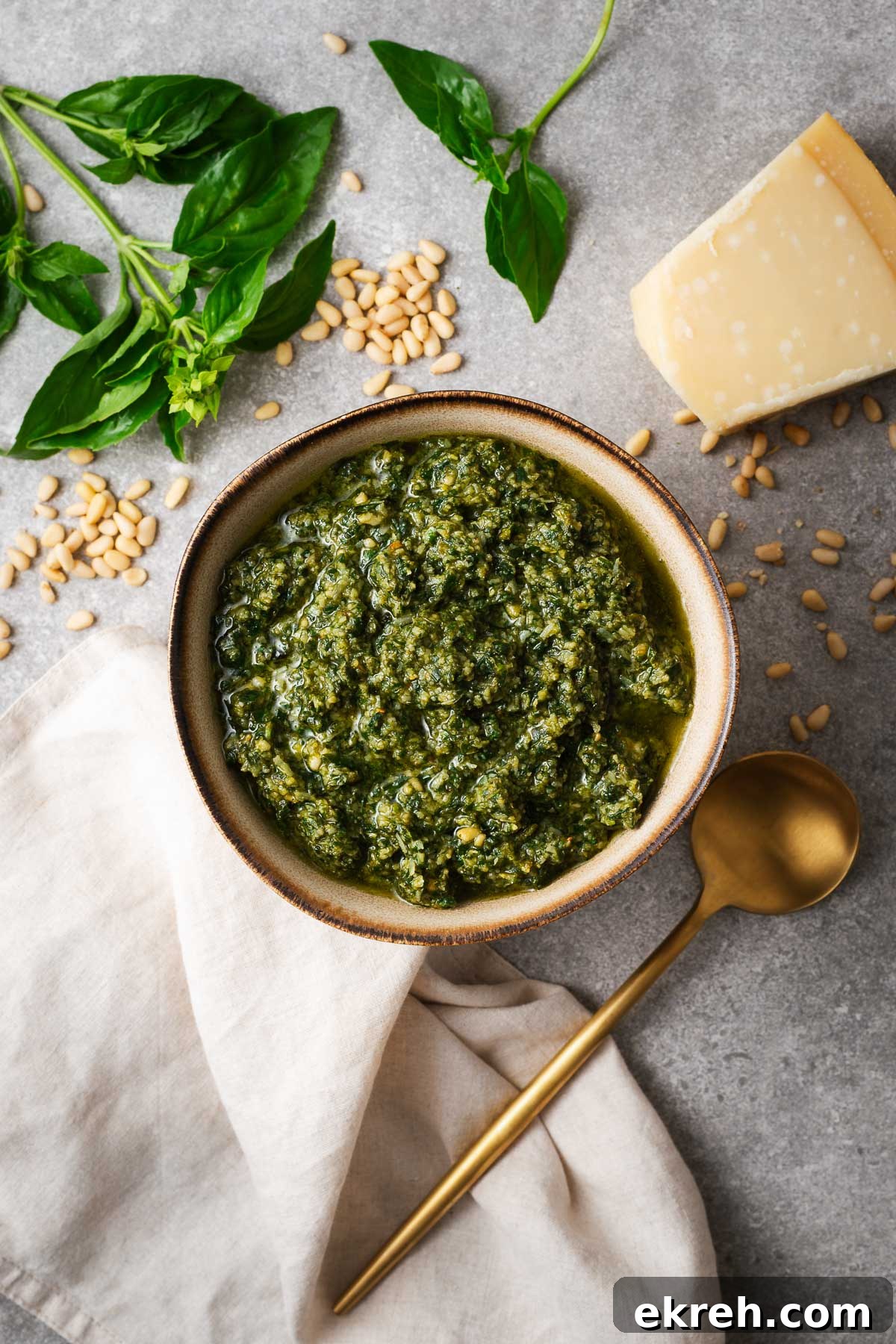
Serving suggestions
- Pasta – Toss with hot pasta and a splash of pasta water; finish with extra grated parmesan.
- Sandwiches & Wraps – Use instead of mayo or butter; excellent with mozzarella, tomato, or grilled chicken.
- Pizza – Swap tomato sauce for pesto or drizzle it over a finished pizza.
- Salads – Stir a spoonful into potato salad, use with fresh tomatoes and mozzarella, or thin with olive oil and lemon for a dressing.
- Grilled meat & fish – A dollop on chicken, steak, or salmon adds immediate flavor.
- Eggs – Fold into scrambled eggs or spoon over poached eggs and omelets.
- Vegetables – Toss with roasted vegetables or steamed greens.
- Dips – Mix into Greek yogurt or sour cream for an herby dip.
Use pesto wherever you want a bright, herbaceous lift.
Frequently asked questions
A good starting point is about ½ cup of pesto per pound of pasta, then adjust to taste.
Stored in an airtight container with a thin layer of olive oil, pesto keeps in the refrigerator for about three days. For longer storage, freeze in portions for up to three months.
Both work, but a food processor gives a thicker, creamier texture and helps avoid overprocessing the basil. A blender can be used for smaller batches.
Browning happens from oxidation when basil is exposed to air. Reduce processing time, drizzle oil over leaves before blending, and store with a layer of oil on top to slow discoloration.
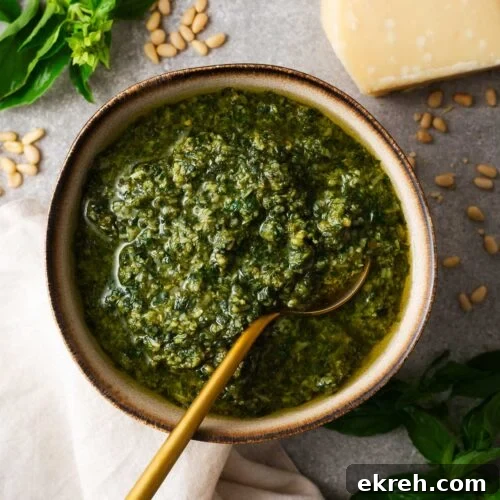
Large Batch Food Processor Pesto
Equipment
- Food processor
- Mortar and pestle (optional)
Ingredients
- 1 garlic clove, roughly chopped
- ½ teaspoon coarse salt
- ½ cup pine nuts, lightly toasted*
- ¾ cup extra virgin olive oil, divided (more as needed)
- 2 cups packed fresh basil leaves
- 3½ oz finely grated Parmigiano Reggiano (about 2 loosely packed cups)
- Kosher salt, to taste
Instructions
- Place the chopped garlic with ½ teaspoon coarse salt in a mortar and grind to a paste. Add toasted pine nuts one tablespoon at a time, bashing each addition until creamy. (If you prefer, do this in the food processor.)
- Slice the basil into strips, place in the food processor with half the olive oil, and pulse until a fragrant, deep-green paste forms—about 1–2 minutes. Stop to scrape the bowl as needed.
- Transfer basil paste to a bowl, stir in the remaining olive oil, then add the garlic-and-pine-nut paste. Mix to combine into a creamy paste and fold in the parmesan.
- Taste and adjust salt; let sit a few minutes and taste again. Add more olive oil if you want a thinner consistency.
- To store, put pesto in an airtight container, drizzle a thin layer of olive oil over the top, and refrigerate up to three days or freeze up to three months.
Notes
- Pine nuts: Toast briefly in a dry pan for extra nuttiness but avoid burning. Raw nuts are fine or swap for alternatives if needed.
- Vegan pesto: Replace the parmesan with 1 tablespoon lemon juice and 1 tablespoon nutritional yeast for acidity and umami.
- No mortar: Blitz garlic, salt, and pine nuts in the food processor, drizzle in half the oil while processing, then add basil and pulse until vibrant.
- Freezing: Spoon into oiled ice cube trays, drizzle each portion with oil, freeze, then transfer cubes to a sealed bag for up to 3 months.
I adapted this method from Samin Nosrat’s approach in her cookbook Salt, Fat, Acid, Heat.