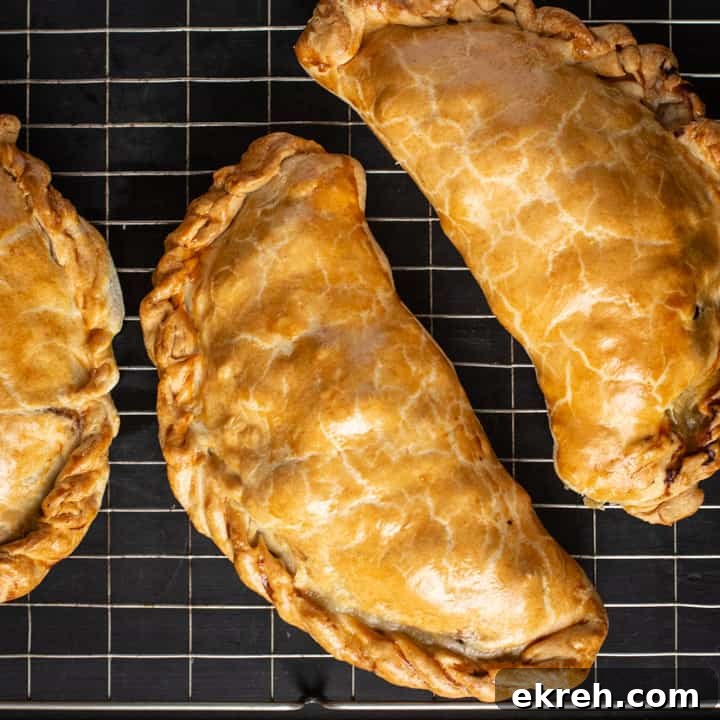
This easy Cornish Pasty recipe is delicious and makes a perfect packed lunch, picnic treat, or make-ahead meal for camping.
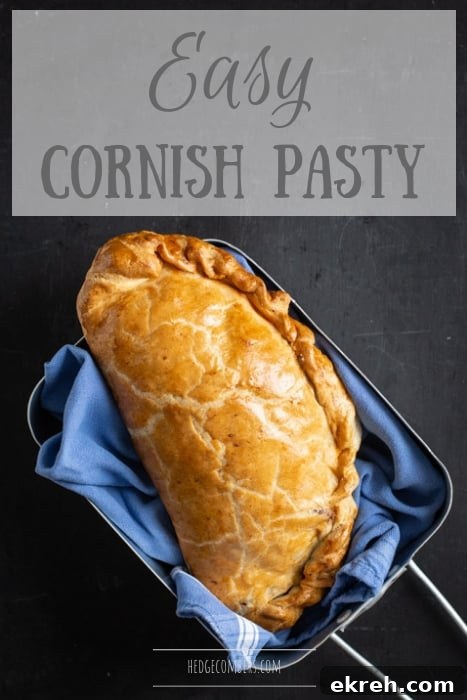
Updated for 2020
A traditional Cornish pasty comes from Cornwall in the southwest of England. It was originally a miner’s lunch: a sturdy, hand-held pie with a thick crimped crust designed to be held while the meaty filling was eaten. Historically the crust was often discarded because miners’ hands could be contaminated in the mines.
How to make a GREAT Cornish Pasty!
Three keys to an excellent pasty:
PASTRY
The pastry should be a buttery shortcrust that flakes slightly and bakes to a rich golden brown. Avoid pale, under-baked pastry.
MEAT
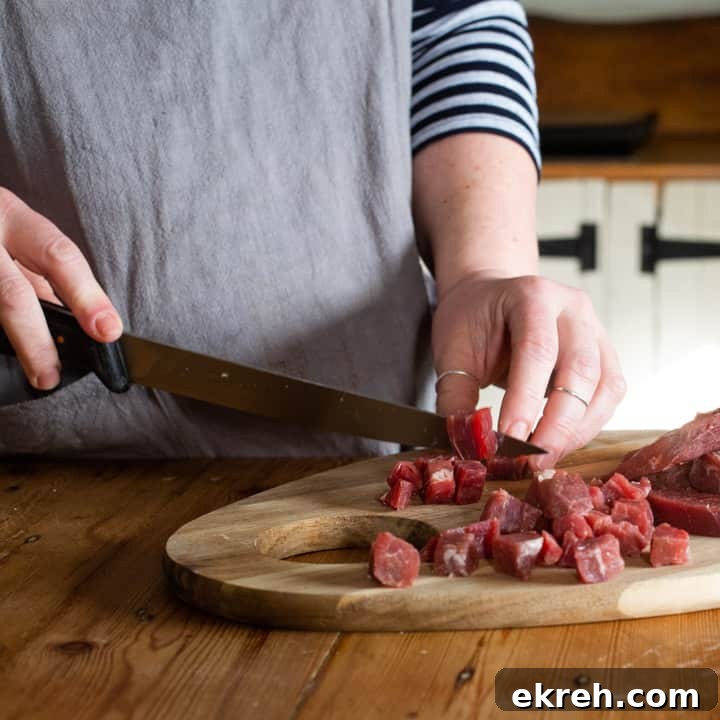
Traditionally beef skirt is used. Remove any gristle, dice finely and distribute evenly so each bite has a balance of meat and veg.
SEASONING
Generous seasoning is essential. A good sprinkle of salt and plenty of black pepper bring out the flavours — do not skimp.
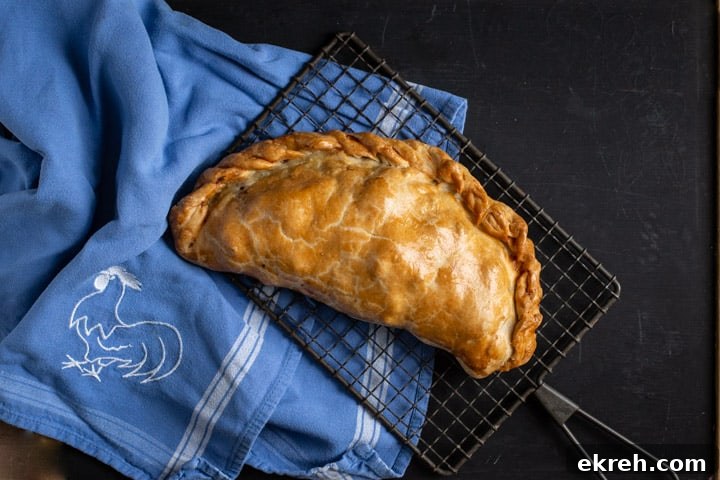
What’s in a Cornish Pasty?
Besides the pastry and beef skirt, you will need:
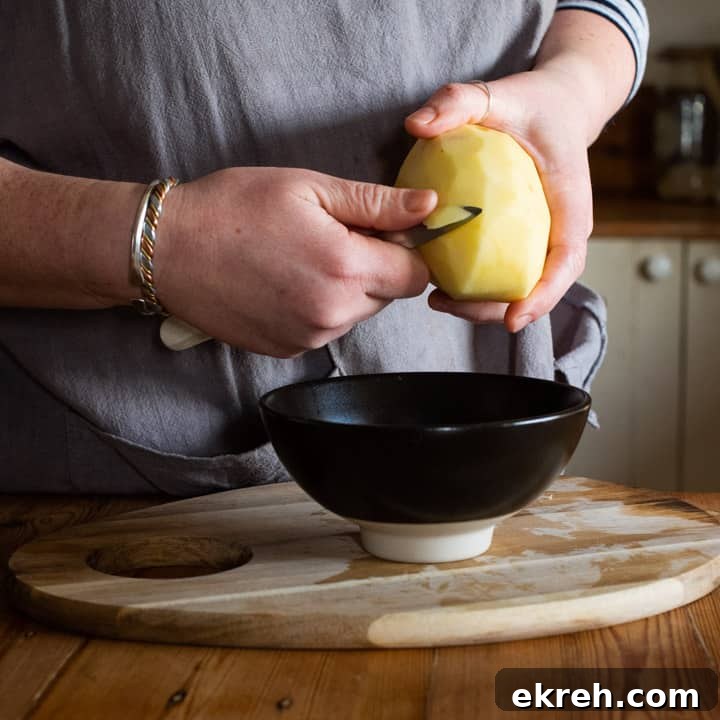
- Potatoes. Use a waxy potato rather than a floury one so they hold their shape during baking. Traditionally potatoes are “chipped” (thinly pared) rather than diced, though both work.
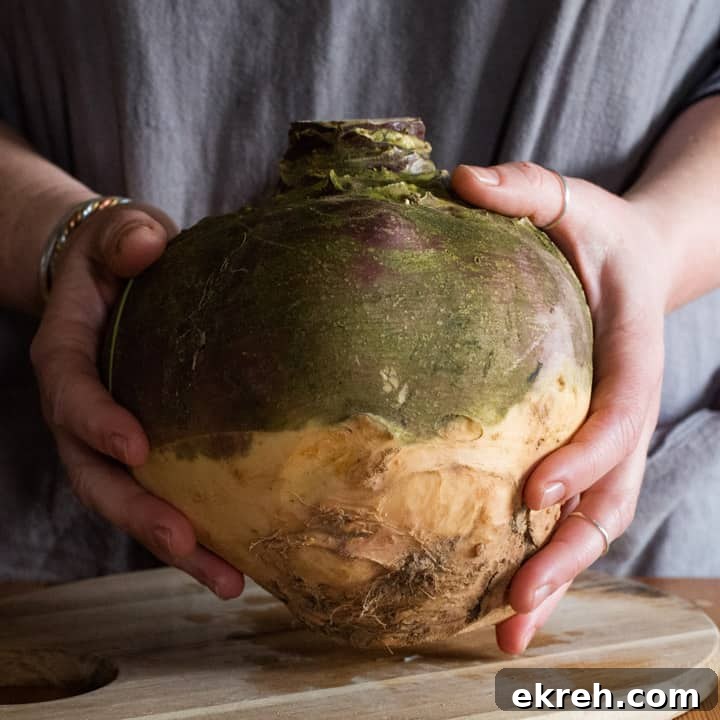
- Swede (yellow-fleshed turnip). For authenticity use the yellow-fleshed variety rather than the white-fleshed turnip. Only a small amount is required.
What NOT to put in a Cornish Pasty
Carrot and peas are not traditional in a Cornish pasty. Keep the filling classic: potato, swede, onion, and beef.
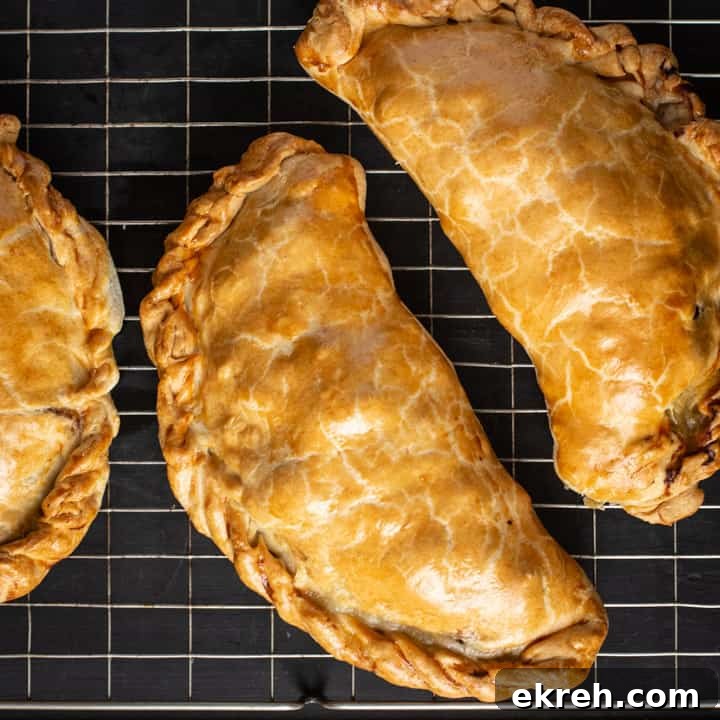
Step-by-step: Traditional Cornish Pasty
1. Prep the filling
“Chipping” the potatoes: use a small paring knife to shave thin pieces from the potato so they resemble small petals. Repeat the same with the swede. Finely dice the onion. Trim the beef skirt, remove any gristle and dice into small pieces so it spreads evenly through the pasty.
2. Roll out your pastry
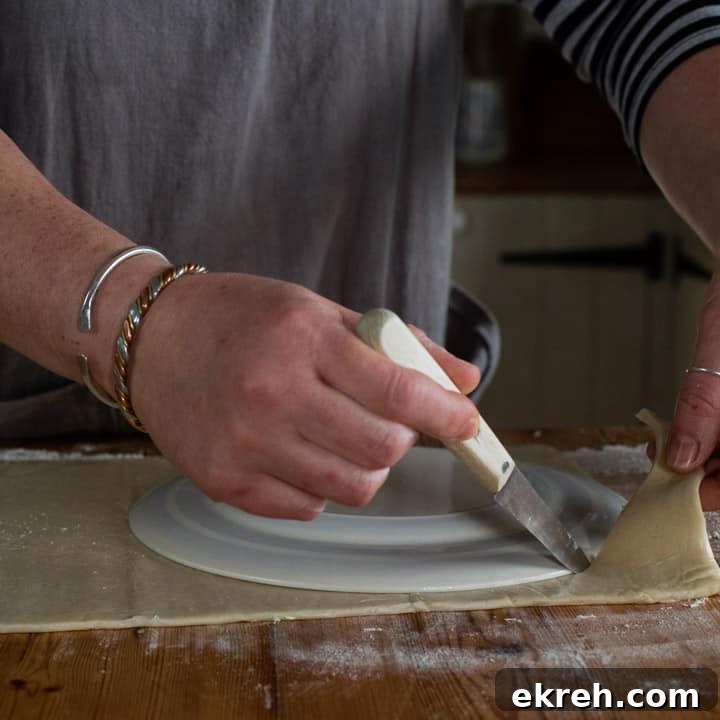
Use homemade shortcrust or ready-made if short on time. Roll out and cut circles about 20cm in diameter by tracing around a plate. Lay rounds on a lightly floured surface.
3. Add the filling
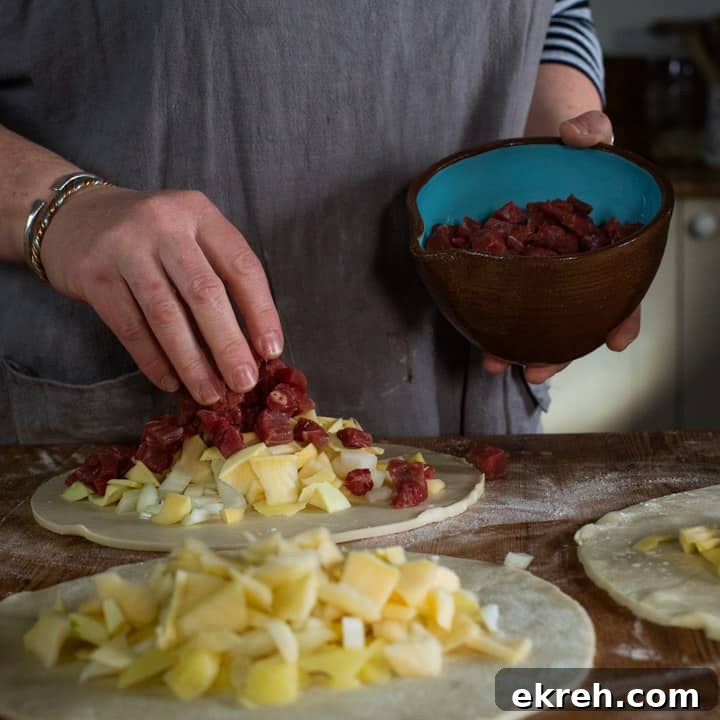
Layer the potato first (so it can be basted by the meat juices), then onion, swede and finally the beef. Spread the ingredients evenly so each bite contains a balance.
4. Season and add fat
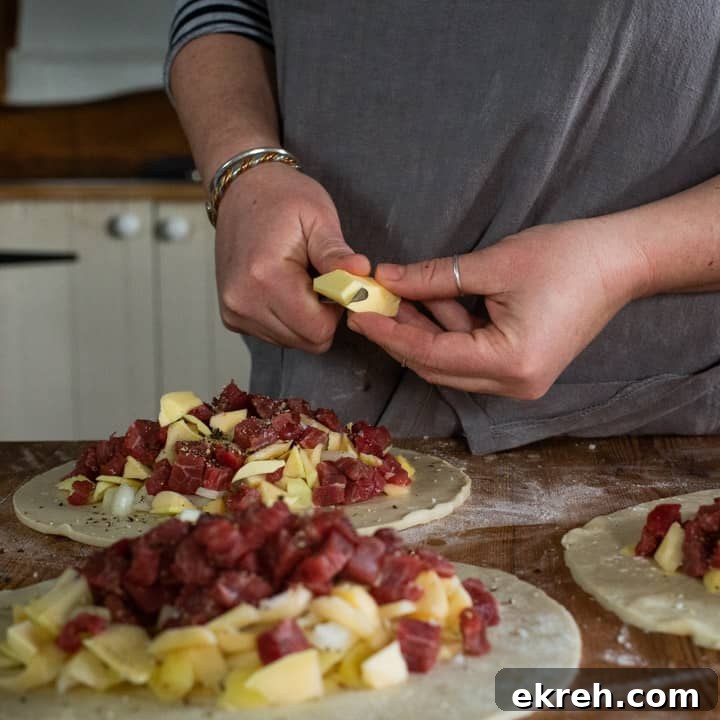
Season generously with salt and a liberal amount of black pepper. Place a knob of butter on top of each filling mound — you can divide the butter into pieces so it flavours the pasty evenly. Butter (or historically clotted cream) bastes the filling while baking and keeps it moist.
5. Fold and seal
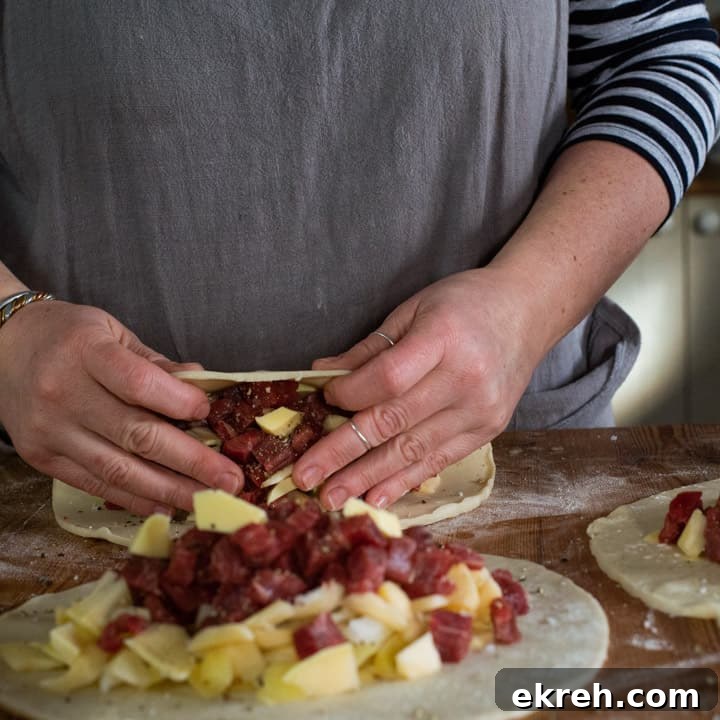
Fold the nearest edge of pastry over the filling, pressing the edges together and tucking stray pieces back in. Press firmly but gently along the join to seal.
6. Crimping the pasty
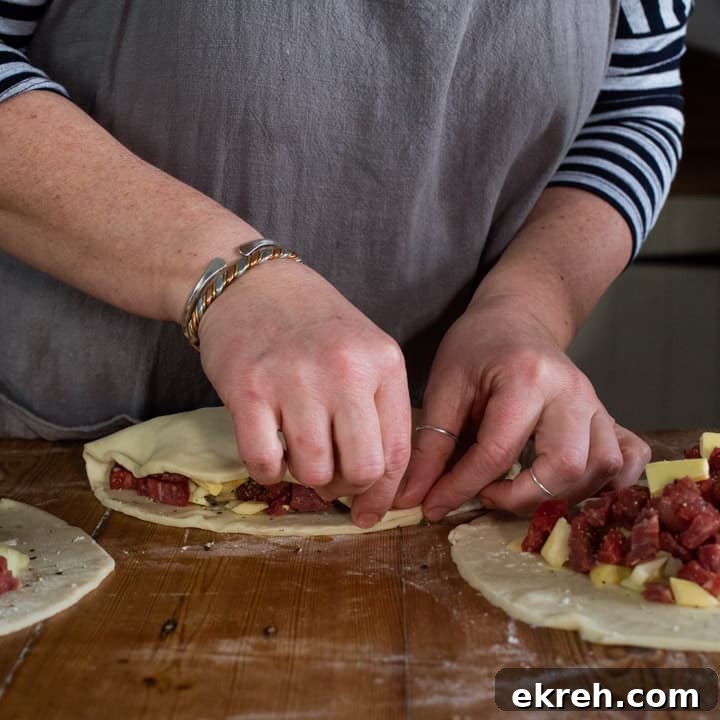
Start at one end and fold about an inch of the seam over itself, pressing down. Continue inch by inch along the length to create the traditional crimped edge. Fold any remaining flap underneath for a tidy finish.
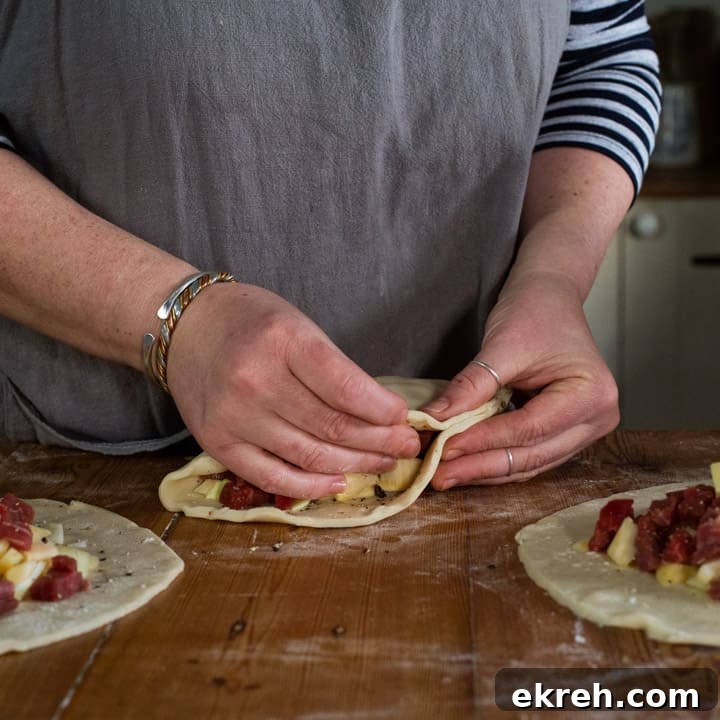
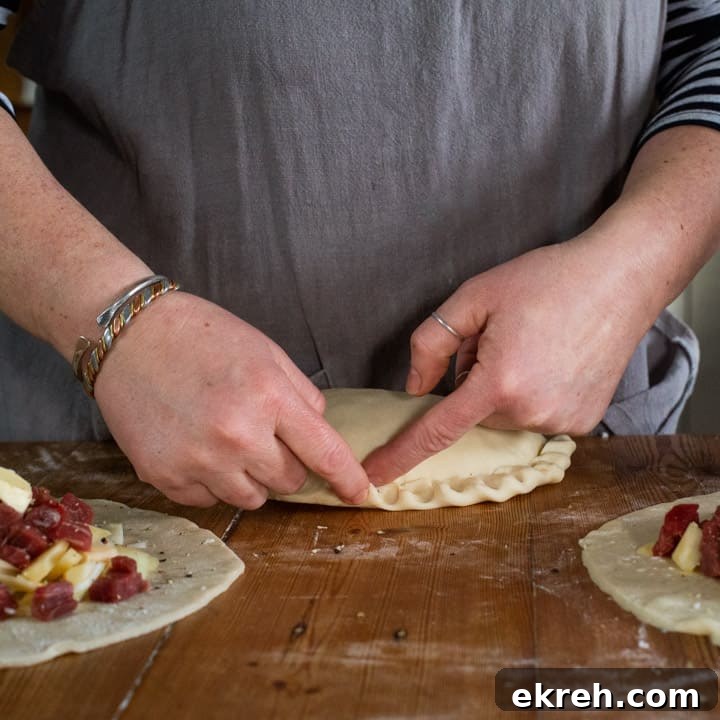
If the crimping description isn’t clear, there is a demonstration video the author recorded at the World Pasty Championships at the Eden Project (search for it online to watch the crimping technique).
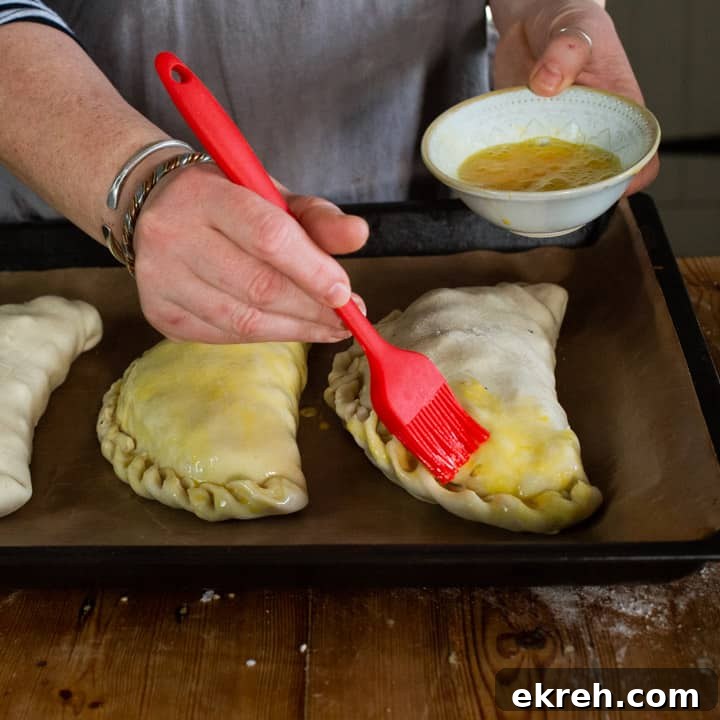
7. Egg or milk wash
Beat an egg (or use milk if preferred) and brush liberally over the pasty to encourage a deep golden crust. Place on a lined baking tray and bake in a preheated oven.
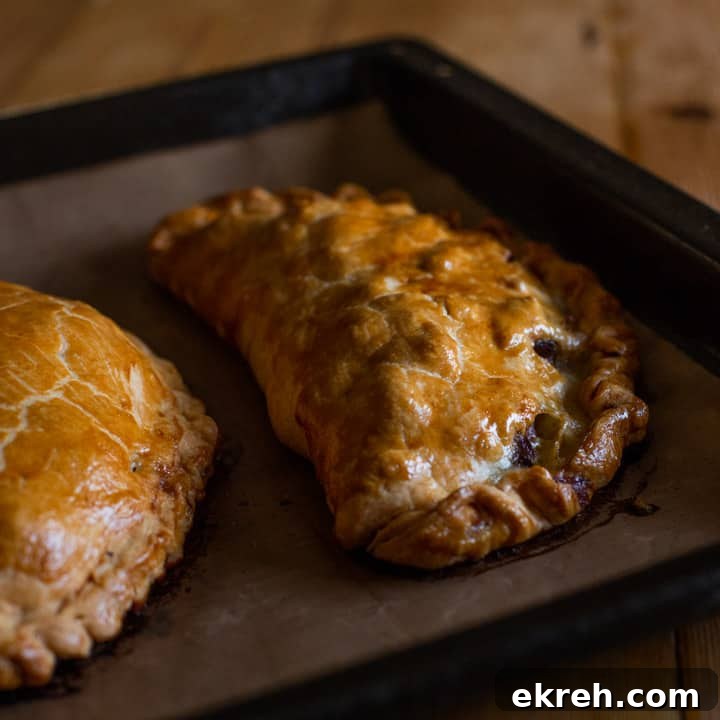
Bake for about 50 minutes at 165°C (325°F) until the pastry is deeply golden and the filling is piping hot. Eat warm or let cool on a wire rack for packing.
Can you freeze Cornish pasties?
Yes. Cool baked pasties to room temperature on a rack, chill in the fridge until cold, then wrap tightly in cling film or foil and label with date. Freeze on a flat surface overnight so they don’t get squashed, then consolidate into a bag if desired.
How to defrost and reheat
Defrost overnight in the fridge. Reheat at 180°C (350°F) for about 15 minutes, or until piping hot. You can also cook from frozen at 180°C (350°F) for roughly 40 minutes, until the centre is hot.
Where to buy a good Cornish pasty
If you’re visiting Cornwall and want a reliably good pasty, look for small independent pasty shops with morning baking. One favourite recommended by locals is Sarahs Pasties in Looe. Many small bakeries make authentic pasties and you can often watch them being made.
If you enjoyed this Cornish pasty recipe, try exploring other packed-lunch recipes and traditional British baked goods for more ideas.
Ingredients
- 500g shortcrust pastry
- 150g potato, chipped or diced
- 75g swede, chipped or diced
- 75g onion, diced
- 200g beef skirt, diced
- 30g butter
- 1 egg, beaten (for wash)
- salt and black pepper, plenty
Instructions
- Preheat the oven to 165°C and line a baking sheet with baking paper.
- Roll out the pastry and cut three circles about 20cm across. Place on a lightly floured surface.
- Divide the potato, swede, onion and beef into three portions and place each portion in the centre of a pastry circle.
- Add a small knob of butter to each pile and season generously with salt and plenty of black pepper.
- Fold one pastry side over to meet the other and press the edges together to seal. Tuck stray pieces back inside as needed.
- Crimp the seam by folding and pressing along the length to create the traditional edge.
- Brush generously with the beaten egg and place on the lined tray. Do not pierce the pasty if possible.
- Bake for 50 minutes until golden brown. Serve hot or cool completely before packing.
Notes
Use waxy potatoes to keep texture. Avoid adding carrots or peas for a traditional pasty. Pasties freeze well once fully cooled and chilled.
Nutrition Facts (per serving)
Calories: 732 | Fat: 22g | Carbohydrates: 98g | Protein: 30g | Sodium: 943mg