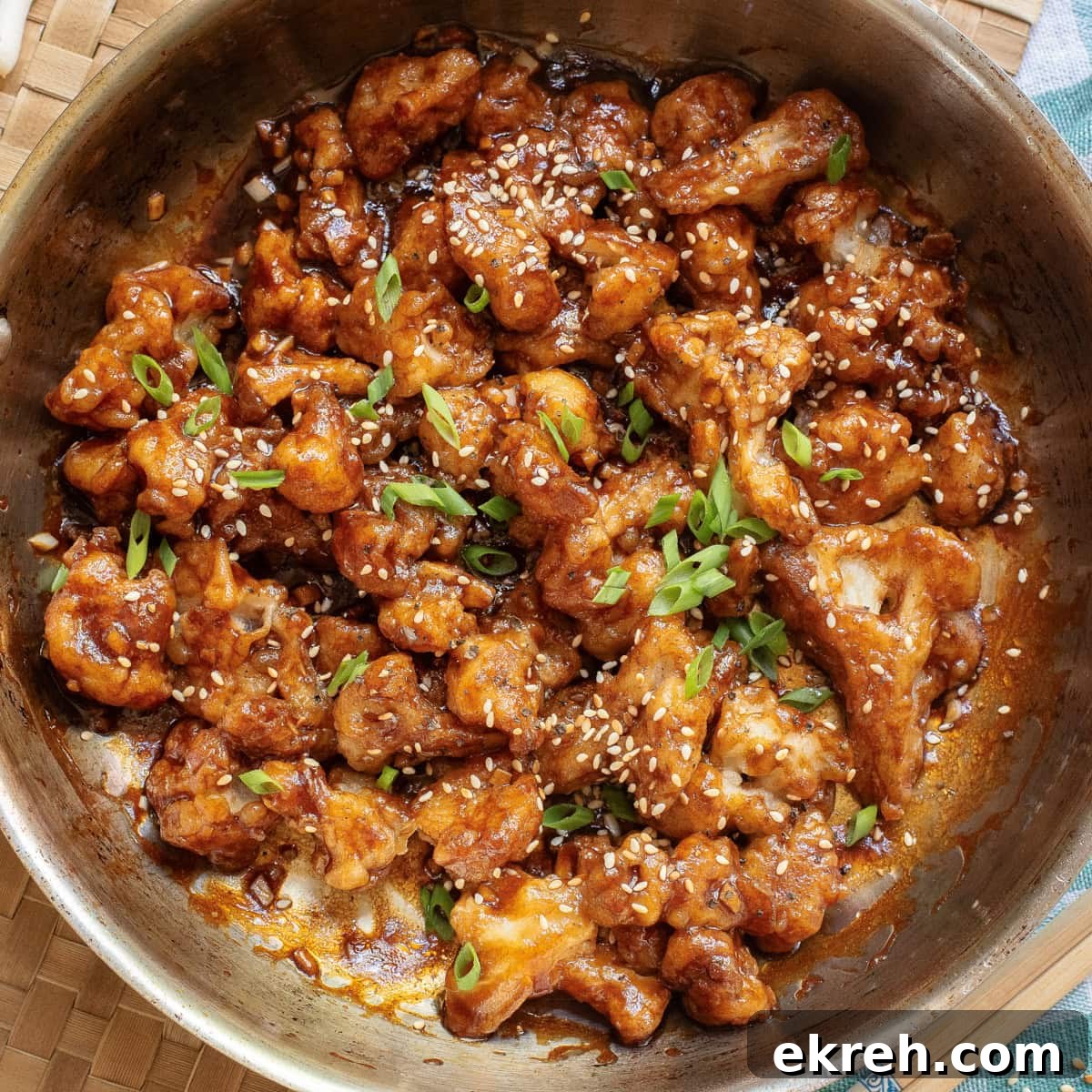
My Gobi Manchurian is the ultimate Indo‑Chinese street food: crisp cauliflower florets tossed in a glossy, spicy‑sweet sauce that makes you forget you’re eating a vegetable. I order it whenever I see it, but making it at home is even better — the cauliflower stays crunchy, the sauce isn’t greasy, and you can dial the heat to your taste. Serve it as an appetizer, a side, or pile it over rice for a quick dinner. This is cauliflower at its absolute best.
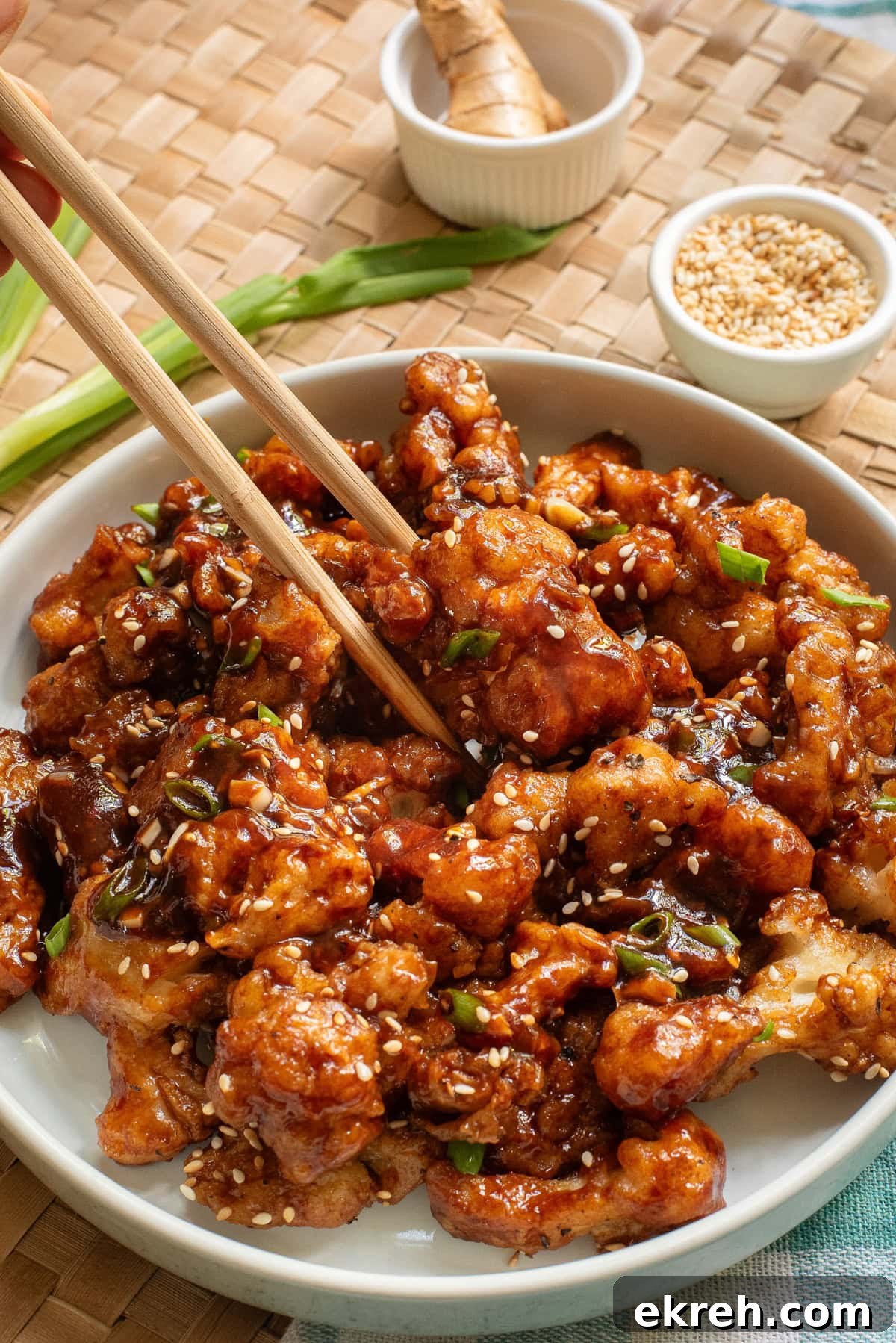
Nail gobi manchurian at home to taste just like takeout
Gobi Manchurian was a favorite street snack when I was growing up — piping hot cauliflower in a crisp batter slathered with a bold sweet‑and‑spicy sauce. At home I avoid restaurant shortcuts like unknown oils but keep the flavor and texture: a light, sturdy batter that fries or bakes crisp, and a bright, balanced sauce made with garlic, ginger, soy, ketchup and chili. For less cleanup I sometimes air fry or bake the florets, but when I want the best texture I deep‑fry for that irresistible crunch.

Key ingredients and why they matter
This version of Gobi Manchurian keeps the technique simple and the flavors focused. The batter blends all‑purpose flour and cornstarch for a light, shatter‑crisp crust that clings to the sauce. The sauce uses soy and ketchup for savory tang, a splash of chili sauce for heat, and a touch of sugar to balance. A cornstarch slurry gives the sauce a glossy finish that coats every floret, and fresh green onions add brightness at the end.
See the recipe card below for a full ingredient list and exact measurements.
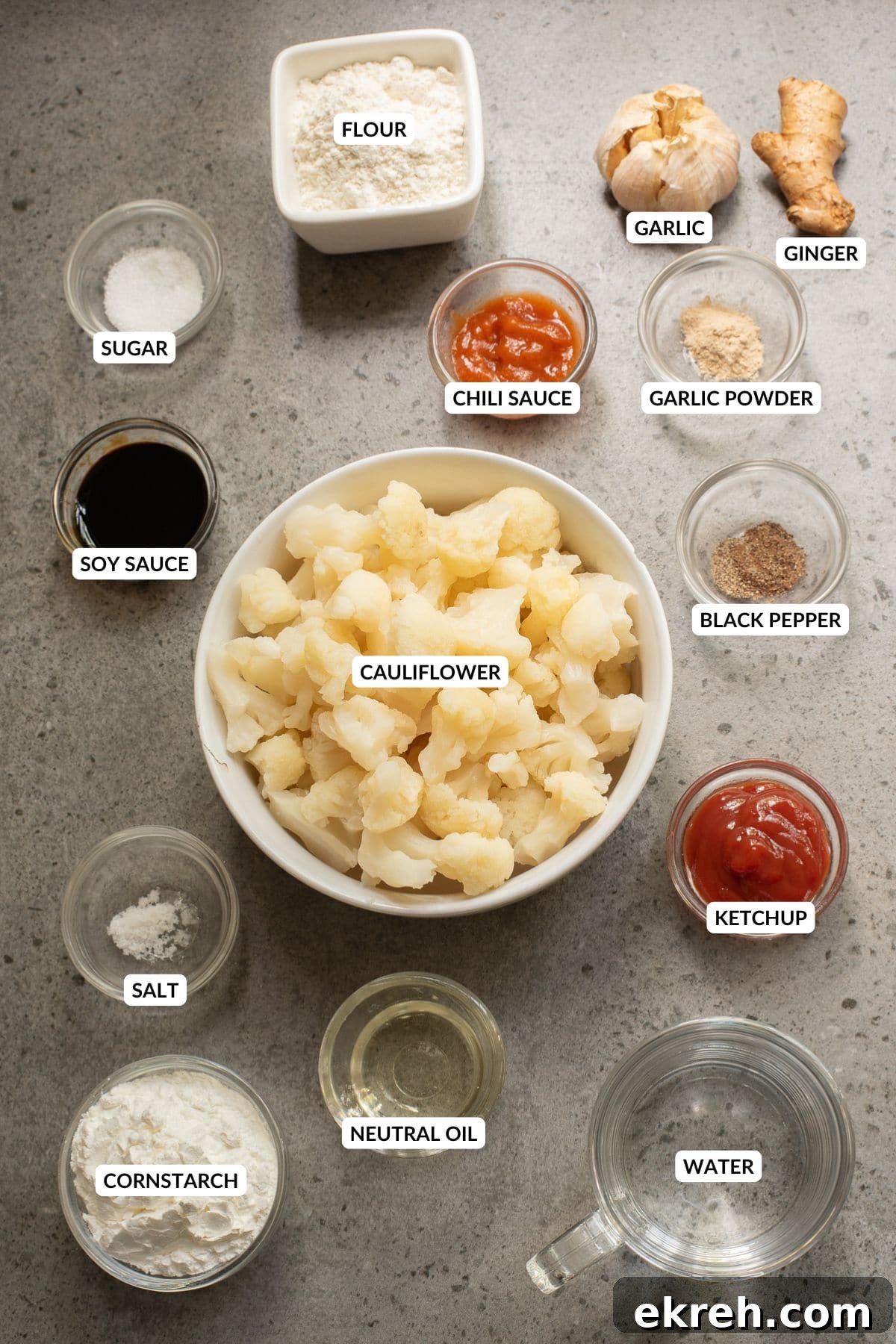
- Cauliflower: Cut into even florets so they cook uniformly and keep a crunchy edge.
- Cornstarch + flour batter: Flour provides structure; cornstarch delivers the shatter‑crisp finish.
- Soy sauce + ketchup: The backbone of the sauce — salty, tangy and slightly sweet to balance heat.
- Chili sauce: Use more or less depending on how spicy you like it.
- Cornstarch slurry: Thickens the sauce so it clings to the cauliflower without becoming gluey.
TIPS & TRICKS
Shruthi’s top tips
- For restaurant‑level crunch try double frying: first at a lower temperature to cook through, then at higher heat to crisp. If you prefer not to deep fry, toss battered florets with a tablespoon of oil and air‑fry or bake until golden.
- Keep florets evenly sized so they cook at the same rate and get consistent sauce coverage.
- When frying, don’t overcrowd the pan — the oil temperature will drop and the cauliflower will go soggy.
- Whisk continuously once you add the cornstarch slurry — the sauce thickens quickly. Remove from heat when it becomes glossy and just coats the spoon.
- For a drier style, use less water in the sauce and toss the florets briefly before serving.
How to make gobi manchurian stir‑fry
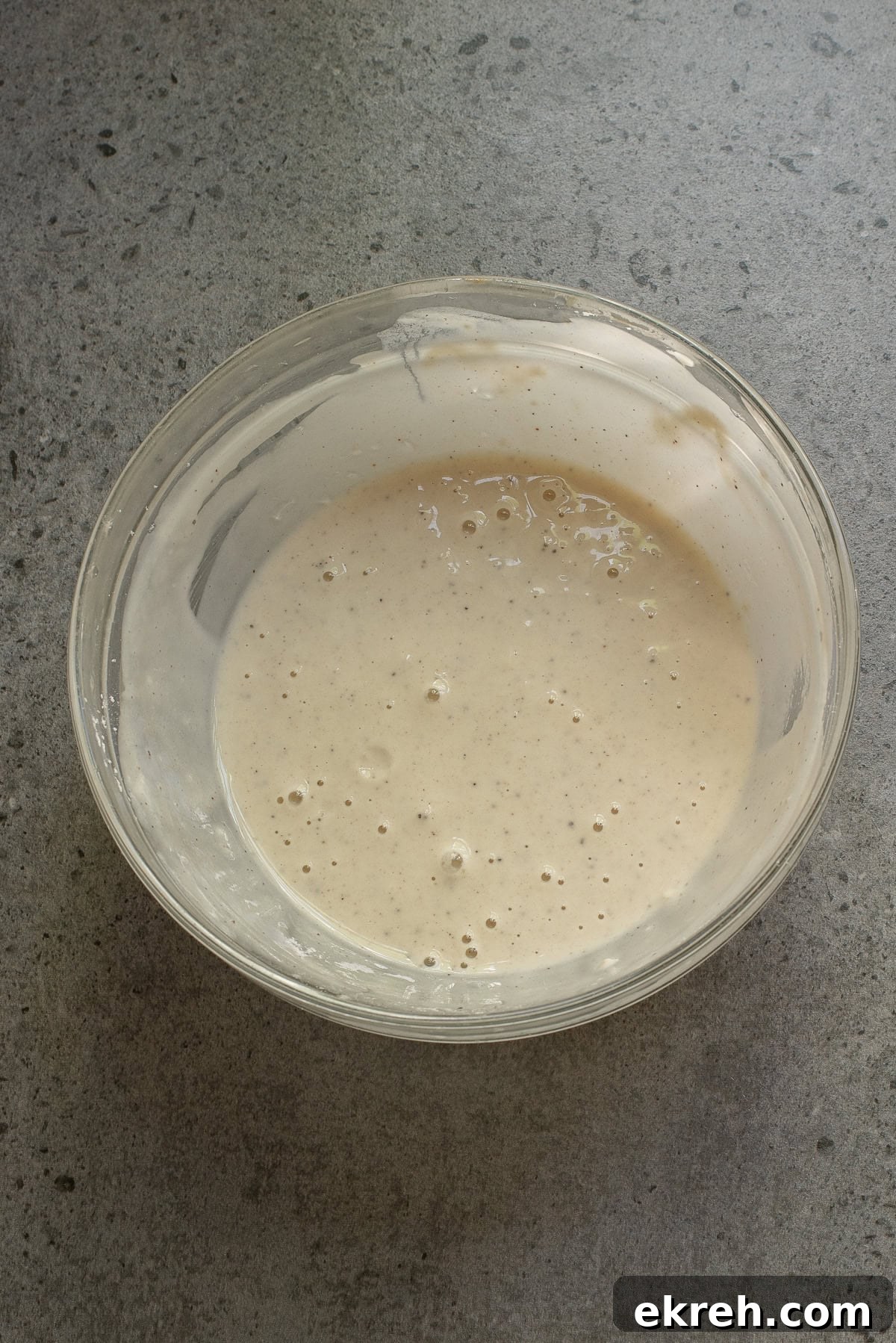
- In a large bowl whisk together all‑purpose flour, cornstarch, salt, pepper and garlic powder. Gradually add water, whisking until the batter is smooth and thick enough to coat the back of a spoon.
- Heat 2–3 inches of neutral oil in a heavy pot to about 350°F (175°C). Working in batches, dip cauliflower florets into the batter and shake off excess.
- Fry the battered florets until golden brown and crisp, about 4–5 minutes per batch. Drain on paper towels.
- In a skillet or wok heat 1 tablespoon oil over medium heat. Add minced garlic and ginger and cook until fragrant, about 30 seconds.
- Stir in soy sauce, ketchup, chili sauce, sugar and water and bring to a simmer. Mix the cornstarch slurry (cornstarch + water) and whisk it in; cook about 1 minute until the sauce thickens and turns glossy.
- Add the fried cauliflower and toss quickly to coat evenly. Transfer to a serving plate, garnish with chopped green onions, and serve immediately.
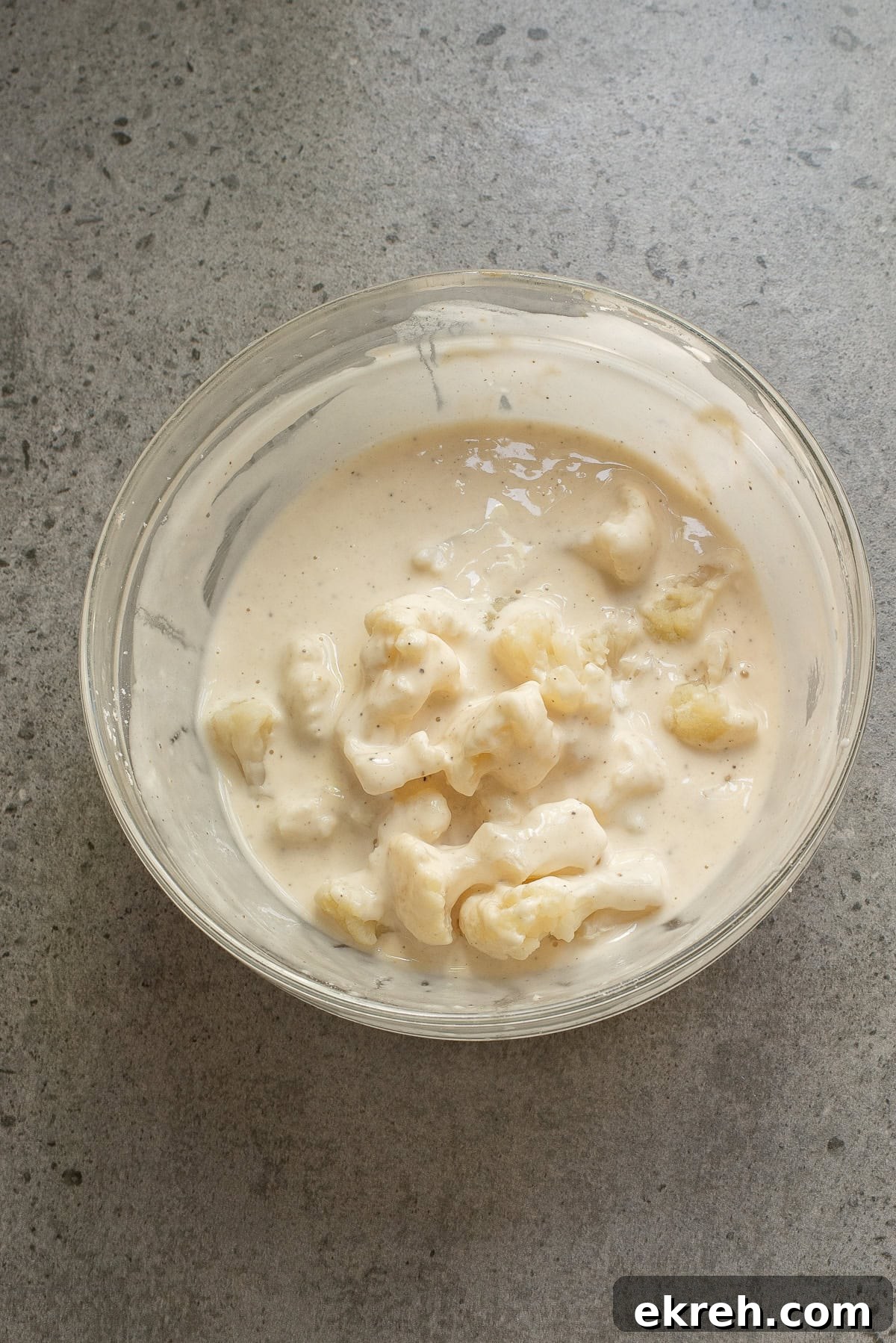
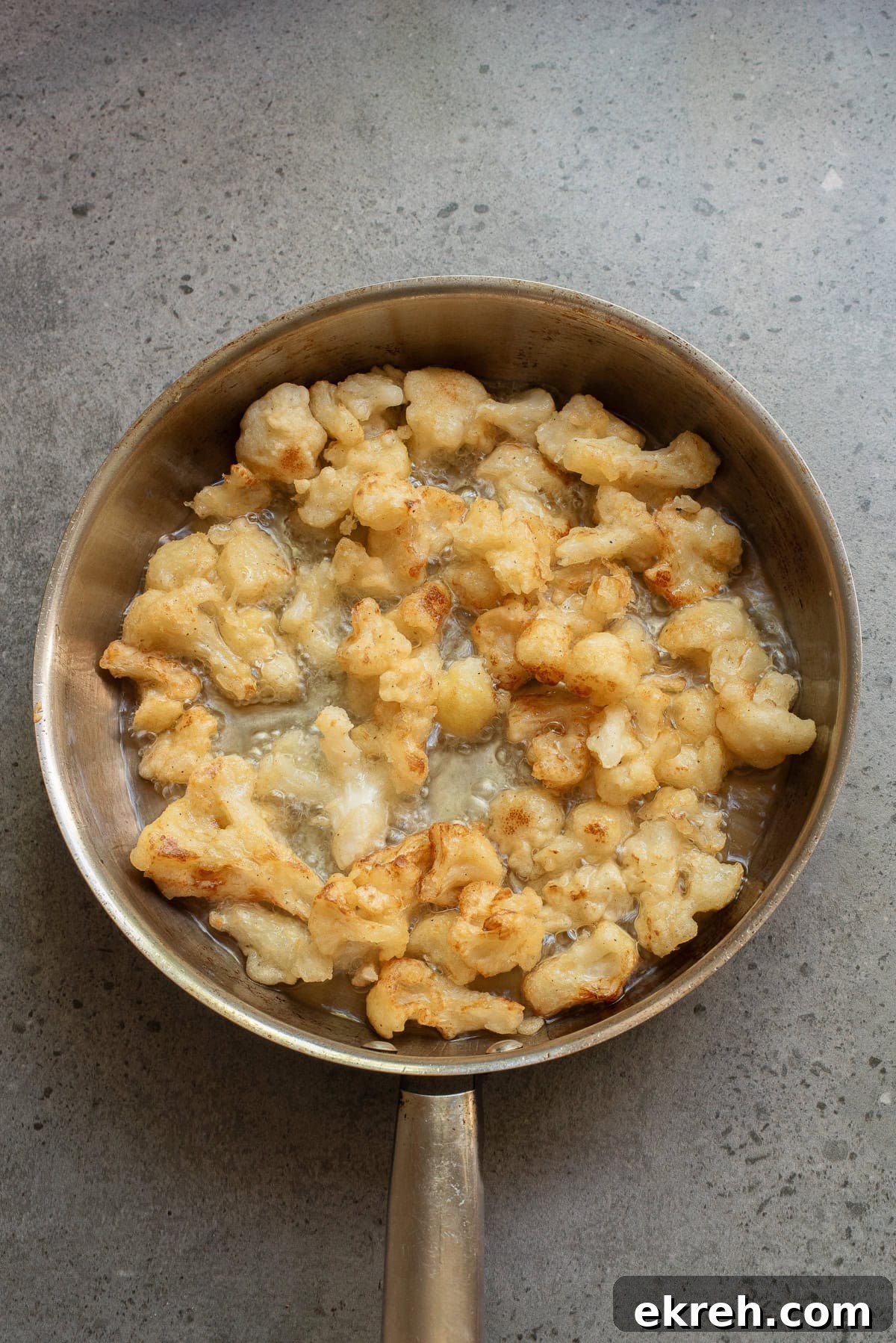
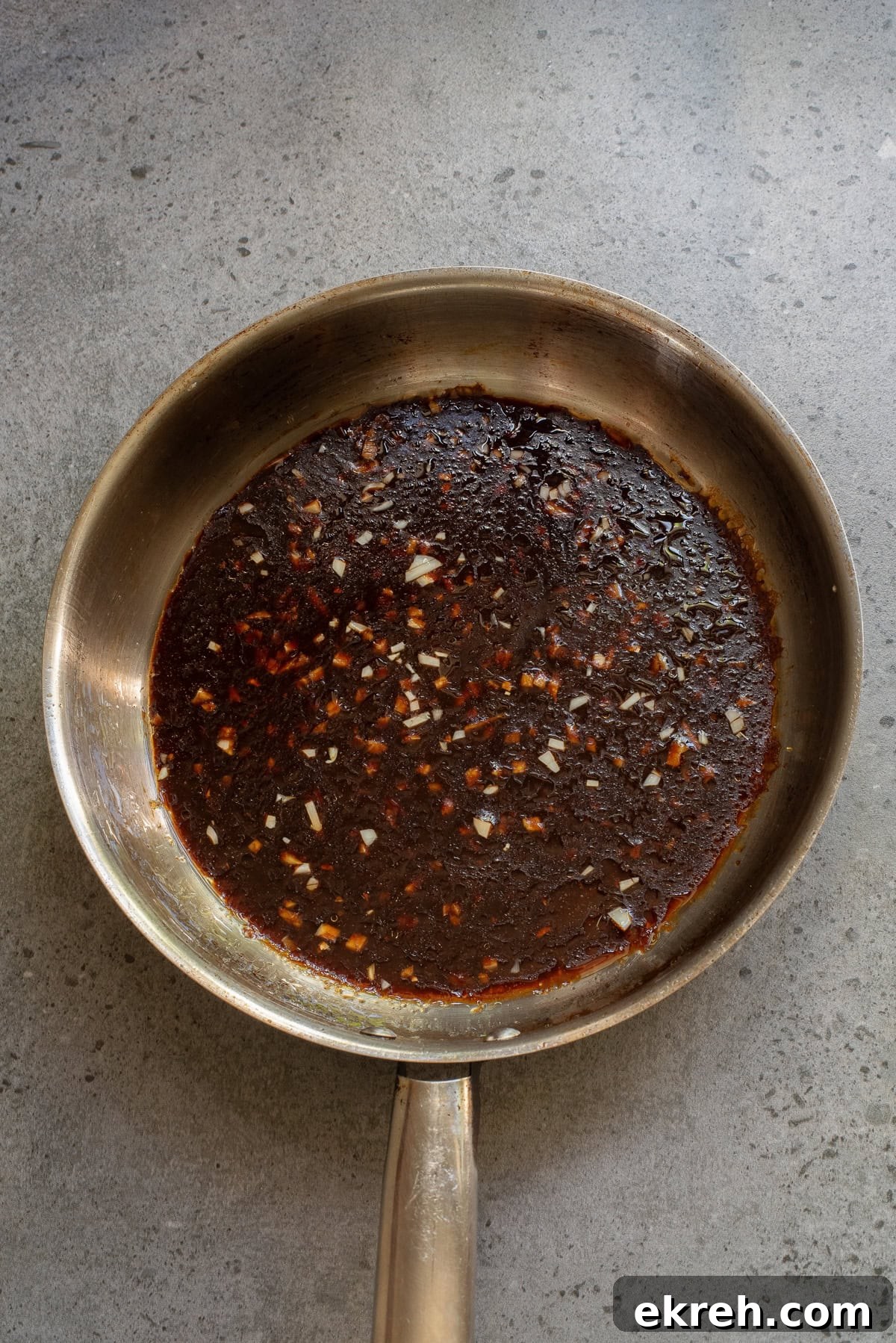
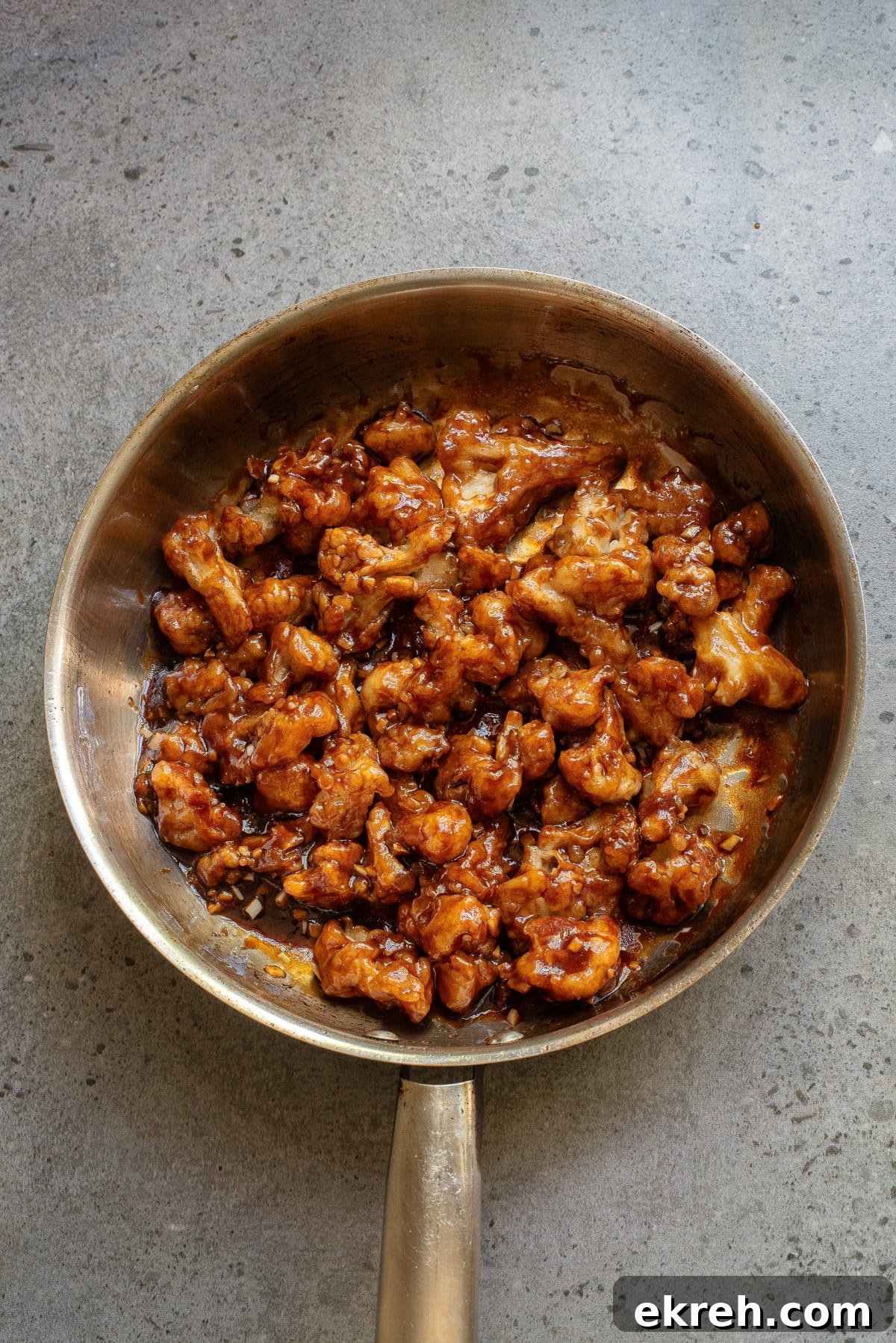
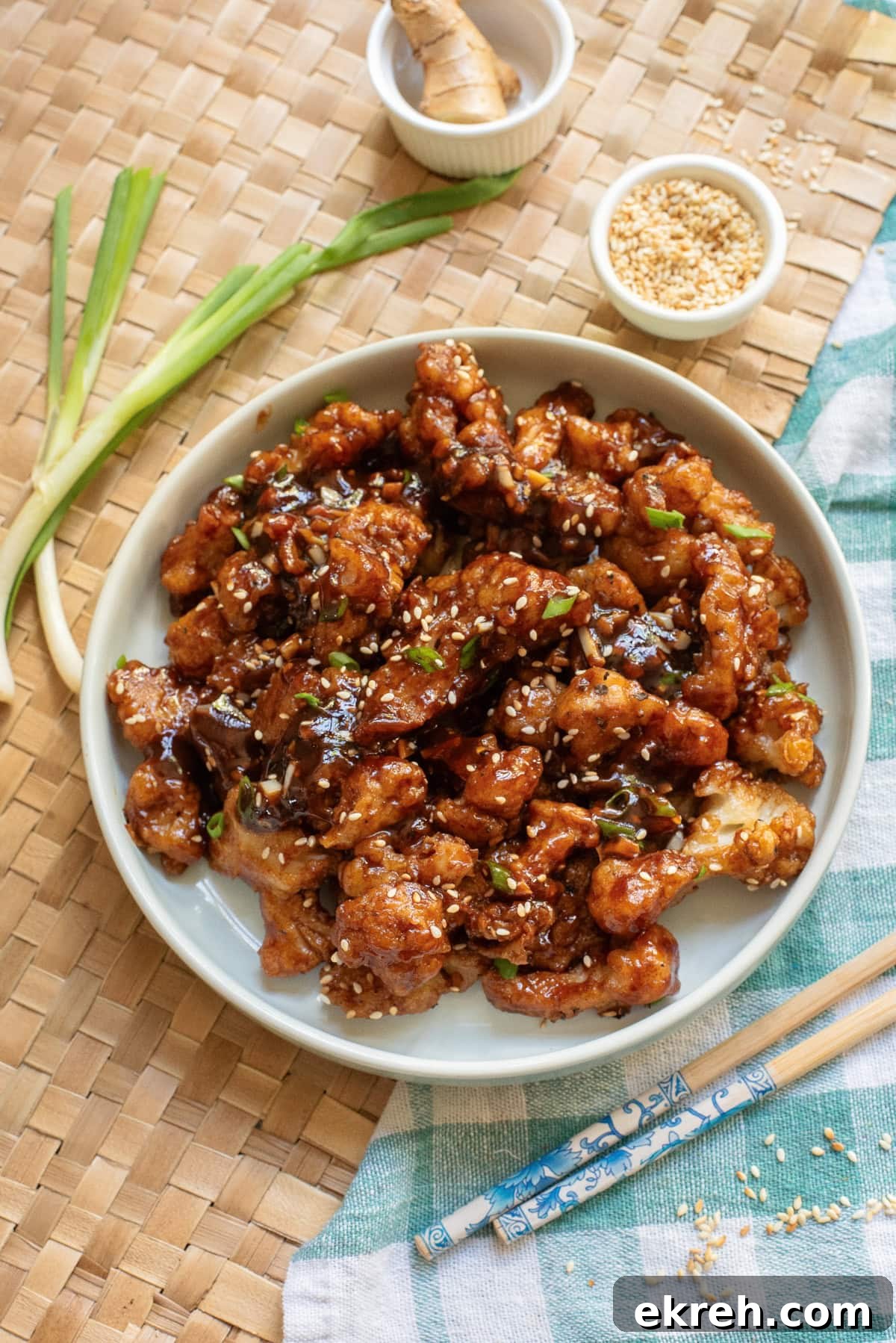
How to serve cauliflower gobi manchurian
Serve Gobi Manchurian immediately while the florets are hot and crisp. It’s excellent as an appetizer by itself or paired with fried rice or noodles for a full meal. Garnish with chopped green onions for color and freshness.
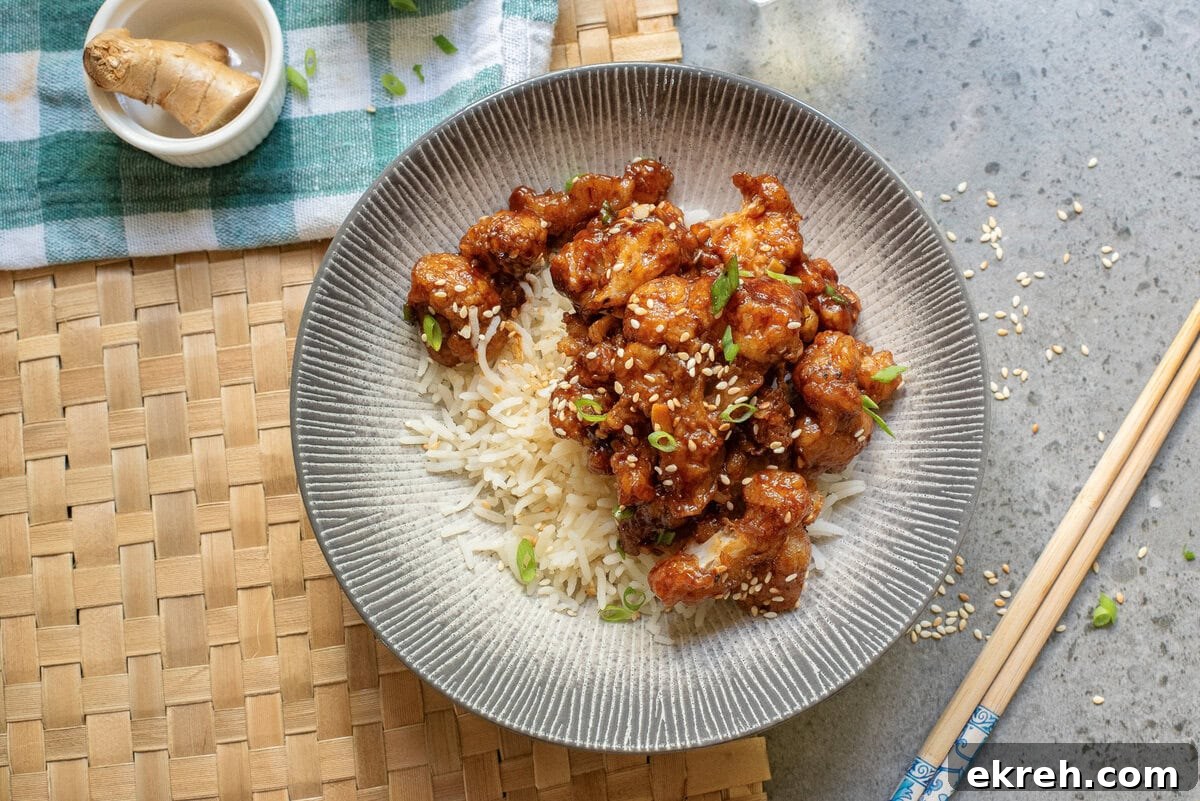
Storage and reheating suggestions
If you have leftovers, store the cauliflower and sauce separately in airtight containers in the refrigerator for up to 2 days. Re‑crisp the cauliflower in a preheated oven or air fryer before tossing it back into warmed sauce to restore texture.
More Indian street food recipes
Can’t get enough of Indian street food? Try these other favorites for a similar crispy‑saucy experience.
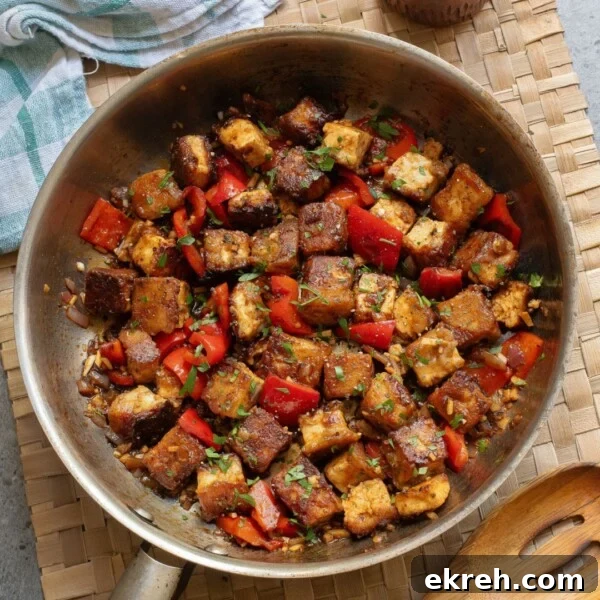
Indian Chili Paneer

Easy Baked Samosas

Samosa Chaat
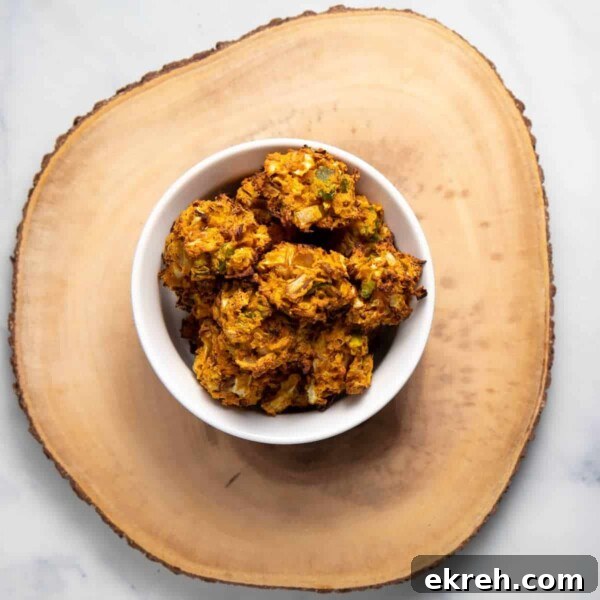
Vegan Cabbage Fritters (Pakoda)
Gobi Manchurian — Recipe
Crispy gobi manchurian tossed in a sweet, spicy and tangy Indo‑Chinese sauce. Ready in about 30 minutes. Serves 4.
- Prep time: 10 mins
- Cook time: 20 mins
- Total time: 30 mins
- Servings: 4
Ingredients
For the crispy cauliflower
- ½ cup all‑purpose flour (60 g)
- ¼ cup cornstarch (30 g)
- ½ teaspoon kosher salt
- ½ teaspoon ground black pepper
- ½ teaspoon garlic powder
- ½ cup water (adjust to make a thick batter)
- Neutral oil for frying
- 1 head cauliflower, cut into 1½‑inch florets (about 3 cups)
For the Manchurian sauce
- 1 tablespoon oil
- 1 teaspoon minced garlic
- 1 teaspoon minced ginger
- 2 tablespoons soy sauce
- 2 tablespoons ketchup
- 1 teaspoon chili sauce (adjust to taste)
- ½ teaspoon sugar
- ¼ cup water
- 1 teaspoon cornstarch mixed with 2 teaspoons water (slurry)
Garnish
- 2 tablespoons chopped green onions
Instructions
- Whisk flour, cornstarch, salt, pepper and garlic powder in a large bowl. Slowly add water until the batter is smooth and thick enough to coat the back of a spoon.
- Heat 2–3 inches of oil in a heavy pot to about 350°F (175°C). Working in batches, dip cauliflower florets into the batter and shake off excess.
- Fry until golden and crisp, about 4–5 minutes per batch. Drain on paper towels.
- In a skillet or wok heat 1 tablespoon oil over medium heat. Add garlic and ginger and cook until fragrant, about 30 seconds.
- Stir in soy sauce, ketchup, chili sauce, sugar and water. Bring to a simmer, then whisk in the cornstarch slurry and cook until the sauce thickens slightly, about 1 minute.
- Add the fried cauliflower and toss quickly to coat. Transfer to a serving plate, garnish with green onions, and serve immediately.
Notes
Cooking tips
- Double‑fry for extra crunch: fry first at a lower temperature, then again at higher heat to deepen the color and crispness.
- To make a drier version, reduce the water in the sauce and toss the cauliflower right before serving.
- Add diced bell peppers or sliced onions to the sauce for color and texture.
- To bake or air fry: toss battered florets with 1 tablespoon oil. Bake at 425°F for 25–30 minutes, flipping halfway, or air fry at 400°F for 15–18 minutes, shaking halfway, until crisp.
Storage & reheating
- Refrigerate in airtight containers, up to 2 days. Store cauliflower and sauce separately when possible.
- Reheat in an air fryer or oven at 375°F (190°C) for 5–7 minutes to restore crispiness, then toss with warmed sauce.
- Freezing is not recommended, as the texture becomes soggy.
Nutrition (approx.)
Calories: 177 kcal | Carbohydrates: 31 g | Protein: 6 g | Fat: 4 g | Sodium: 926 mg | Fiber: 4 g
Nutrition information is automatically calculated and should be used as an approximation.