Table of Contents
- Heavy Cream vs. Condensed Milk
- What is Heavy Cream?
- What Is Condensed Milk?
- The Difference Between Heavy Cream and Condensed Milk
- Condensed Milk as a Substitute for Heavy Cream
- Making Ice Cream with Condensed Milk Instead of Heavy Cream
- Using Condensed Milk Instead of Heavy Cream in a Cheesecake
- Whipped Condensed Milk Instead of Whipped Cream
- Heavy Cream or Condensed Milk in Frosting
- Calorie Count: Heavy Cream or Condensed Milk
- Frequently Asked Questions
- Conclusion
Heavy Cream vs. Condensed Milk
Can you picture a rich, satisfying dessert without heavy cream or condensed milk? Both ingredients are staples in sweet recipes, yet they’re quite different. Heavy cream is the high-fat layer skimmed from whole milk, while sweetened condensed milk is milk reduced and sweetened, containing far less fat and much more sugar. Although they’re not identical, condensed milk can sometimes stand in for heavy cream with adjustments to taste and texture.
Below we break down what each product is, how they differ, and practical tips for swapping one for the other when you’re preparing desserts, frostings, ice cream, and cheesecakes.
What is Heavy Cream?
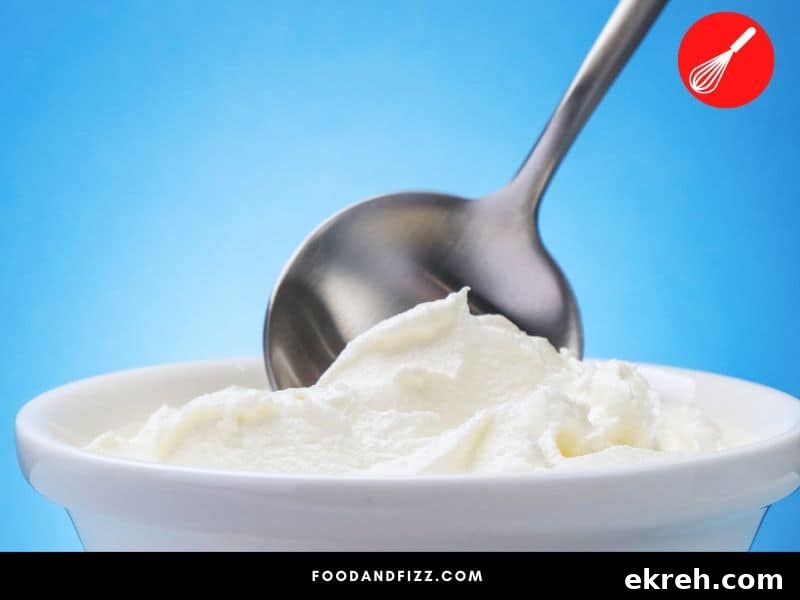
All cream forms from the milk fat that rises to the top of fresh milk. Heavy cream contains at least 36% milk fat and can go up to around 40%. That high fat content delivers a rich mouthfeel and stability—qualities that make heavy cream ideal for whipping, enriching sauces, and creating smooth, velvety desserts.
What Is Condensed Milk?
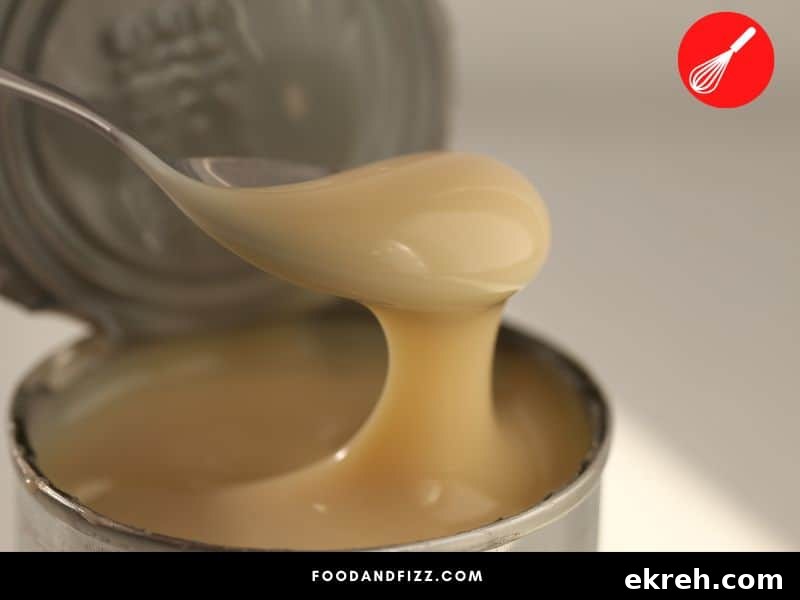
Condensed milk is made by removing a large portion of the water from whole milk and adding sugar, producing a thick, syrupy product often labeled sweetened condensed milk. Its texture is dense and its color slightly darker than fresh milk. Because it contains a lot of sugar and less fat, it behaves differently than heavy cream in recipes.
The Difference Between Heavy Cream and Condensed Milk
Both products start with whole milk, so they contain milk solids and milk fat, but their processing creates major differences. Heavy cream is a natural dairy product with high fat content, skimmed from milk without added sugar. Condensed milk is concentrated milk that’s been sweetened and reduced, lowering its fat proportion while dramatically increasing sweetness and viscosity. Those distinctions affect how each ingredient performs in cooking and baking.
Condensed Milk as a Substitute for Heavy Cream
Many recipes depend on heavy cream’s fat to provide body, smooth texture, and stability. When you don’t have heavy cream, common substitutes include whole milk mixed with melted butter, crème fraîche, mascarpone, or thick yogurt. Condensed milk is a less common option because it’s much sweeter and contains less fat, so recipes will need sugar adjustments and may yield a different texture. Use condensed milk when sweetness is acceptable and you’re prepared to tweak other ingredients.
Making Ice Cream with Condensed Milk Instead of Heavy Cream
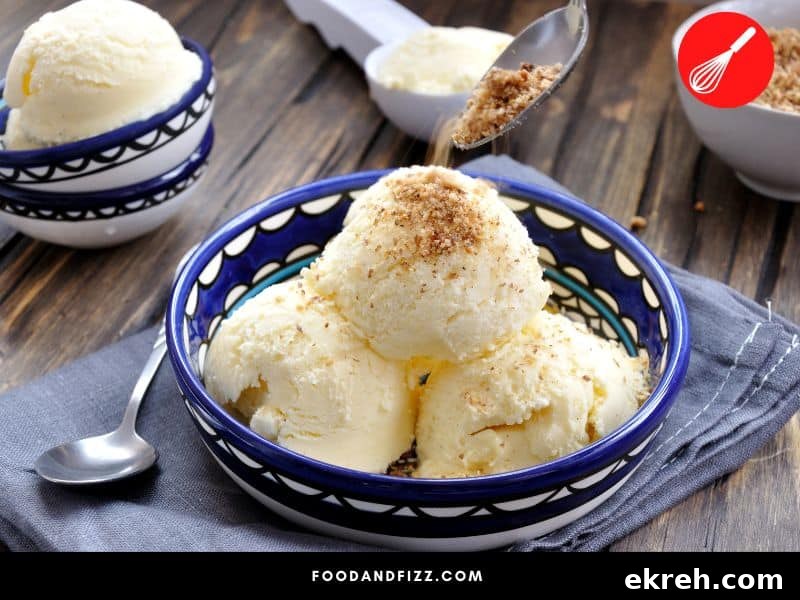
Heavy cream’s higher fat content helps homemade ice cream feel creamy and stable. If you substitute condensed milk, expect a sweeter, less fatty result that can still be very smooth thanks to the milk solids and sugar preventing large ice crystals. For best results, many at-home recipes combine condensed milk with heavy cream to balance sweetness, fat, and texture, producing a creamy, scoopable ice cream without an ice cream maker.
Using Condensed Milk Instead of Heavy Cream in a Cheesecake
Cheesecake relies mainly on cream cheese, but recipes often add a small amount of heavy cream to loosen the filling and add silkiness. Condensed milk can perform a similar role because it’s dense and moist, but it will sweeten the filling significantly. If you substitute condensed milk, reduce or eliminate other sugars in the recipe and taste as you go to avoid an overly sweet cheesecake.
Whipped Condensed Milk Instead of Whipped Cream
Condensed milk doesn’t whip the same way heavy cream does, but you can create a lighter, mousse-like texture by chilling the condensed milk thoroughly before whipping. Freeze it until very cold, chill your mixing bowl and beaters, then whip briefly. The result will be softer and denser than whipped cream, so it’s best used for dollops or layered desserts rather than piped decorations.
Heavy Cream or Condensed Milk in Frosting
Heavy cream mixed with powdered sugar makes a smooth, spreadable frosting; whipping the cream first gives a fluffier, buttery texture that’s easy to spread. Frosting made with condensed milk relies on butter for structure because the condensed milk itself is already very sweet—so you’ll usually omit powdered sugar or greatly reduce it. Combining both ingredients can yield a rich, silky frosting, but be sure to scale back sugar and butter to account for the sweetness and liquid from the condensed milk.

Calorie Count: Heavy Cream or Condensed Milk
Heavy cream is rich in fat—around 36%—which contributes a high calorie density. Condensed milk contains less fat but a great deal more sugar, which increases its calorie content. In many recipes, condensed milk ends up more caloric than the same volume of heavy cream because of the high sugar concentration, even though it has less fat.
Frequently Asked Questions about Heavy Cream vs. Condensed Milk
Which is better for whipping, heavy cream or condensed milk?
Heavy cream is the superior choice for whipping because its high fat content creates stable peaks and structure. Condensed milk can be aerated when chilled, but the result is softer and less stable than traditional whipped cream.
Should I use heavy cream or condensed milk in frosting?
Both work, depending on the result you want. Use heavy cream with powdered sugar for a classic, light frosting. Use condensed milk with butter for a richer, sweeter spread; reduce added sugar accordingly. Combining a bit of each lets you balance sweetness, richness, and texture.
Conclusion to Heavy Cream vs. Condensed Milk
Heavy cream and condensed milk both originate from whole milk, but their processing and composition produce distinct culinary roles. Heavy cream offers fat-based richness and stability, while condensed milk provides sweetness and thickness. You can substitute one for the other in some recipes, but expect differences in texture and sweetness and be ready to adjust other ingredients for the best results.