I rarely consult dietitians. I consider myself fairly healthy: my children eat well and have no health issues, I cook from scratch, and I haven’t given my food choices a lot of thought—until I bumped into my friend Angie and Kim Galeaz, a local dietitian, during a grocery store tour at Kroger. The brief outing turned into a surprisingly informative lesson on practical food choices and shopping strategies.
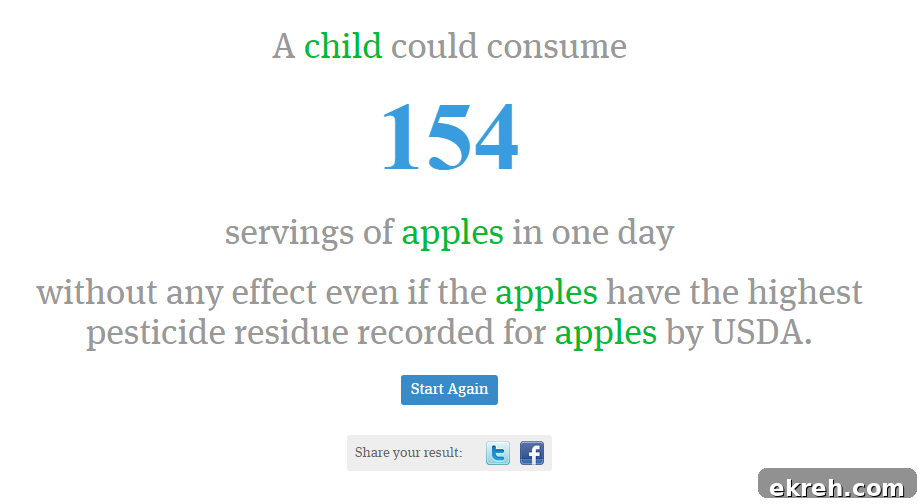
Unsurprisingly, we began in the produce section. My kids are good about fruits and vegetables, and my family doesn’t prioritize organic produce. I worried, briefly, about being judged—especially by Angie—but Kim immediately set the tone by offering practical resources instead of criticism. She pointed us to a site that estimates pesticide residue on produce and illustrates how many servings someone would have to eat at once to reach concerning levels. It was a useful reality check: for many items, the number of servings needed to pose a real risk is far higher than you’d expect.
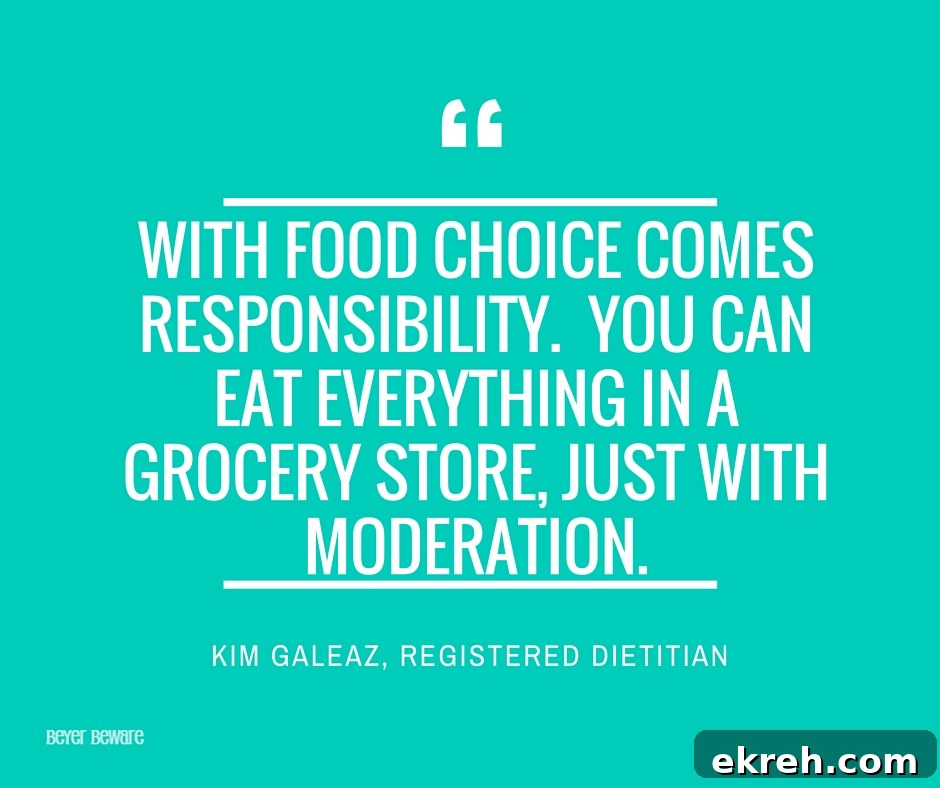
What impressed me most during the tour was Kim’s nonjudgmental approach. She shared that she enjoys Diet Coke, peanut butter, and chocolate, too. Rather than forbidding foods, she emphasized portion sizes and balance—reading labels and serving-size information helps you understand how much you’re actually eating. For instance, a serving of peanut butter may be two tablespoons, and if you stick to that you might not need a separate handful of nuts later. Her point was simple and freeing: moderation is realistic and sustainable.
Yes, I can eat Oreos. The serving size listed is three cookies, so the sensible approach is to be mindful of that serving rather than polishing off the whole package. The message was practical: enjoy the foods you love, but pay attention to portions so indulgences don’t become overconsumption.
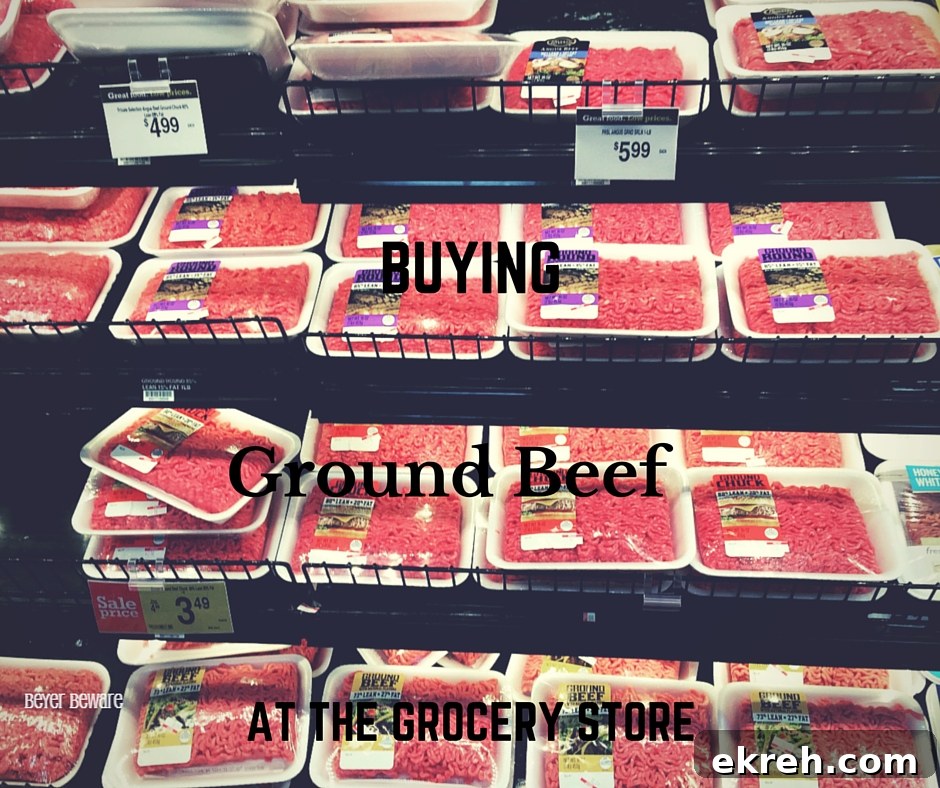
The part of the store that challenged me most was the fresh meat counter. Although I enjoy meat, I realized I’ve never really shopped for ground beef intentionally—I usually buy whatever ends up in my cart. Standing with Angie and Kim as they compared options for tacos made me notice how many choices there are: different fat percentages, labels, and cuts. It can be confusing if you don’t know what to look for or how a choice will affect flavor, cost, and nutrition.
I left the tour with several practical takeaways, including modifications to one of our favorite quick family meals—one-pot pizza casserole. With a few small adjustments, Kim helped me boost the dish’s nutrients and flavor without complicating the recipe. Key tips she shared:
- Increase vegetables where possible. Doubling chopped onions, peppers, carrots, or other veggies adds fiber, vitamins, and flavor without much extra effort.
- Reduce fat by draining excess grease from cooked meats like sausage or ground beef. It’s a simple step that lowers overall fat content.
- All fruits and vegetables provide nutrition, whether organic or conventional. Frozen produce is a cost-effective, nutritious alternative that stores well and reduces waste.
- Dairy products such as yogurt, milk, and cheese are convenient ways to add protein and calcium to meals and snacks.
- If you want to stay full longer, choose higher-protein snacks—Greek yogurt, cottage cheese, or a small portion of nuts will usually be more satisfying than crackers alone.
I also learned that availability and price vary between stores. I could only find ground pork at one of the three supermarkets we visited; the other stores offered Italian sausage links, which worked well as a substitute in my recipe. Small changes—opting for a store brand, choosing frozen chopped onions instead of fresh, or picking a different cut of meat—can add up to real savings without sacrificing nutrition.
In short: shop with intention, but don’t let perfectionism or fear rule your choices. Double the onions in your casserole, enjoy a small serving of a favorite treat, and remember that simple swaps and sensible portions are powerful tools for better eating. And if you’re sharing pasta tonight, pour me a glass of wine and pass the garlic.
This experience was sponsored by Indiana Soybean Alliance. All groceries were purchased by me. Opinions are my own.