
When my new-to-me cousin sketched a handwritten map on the back of his mother’s lunch menu, I expected a short drive around Virginia and maybe a glimpse of an old house. He drew rivers, fences, and a few landmarks and said, “Follow this road past the river where Grandma and her cousins swam. You’ll find the church where generations worshipped, and if you keep going, you’ll reach the home place.”
Scuffletown, Virginia. Not a usual vacation spot. But driving that country road where my great-great-grandparents lived changed how I think about family history and why travel matters to genealogy.
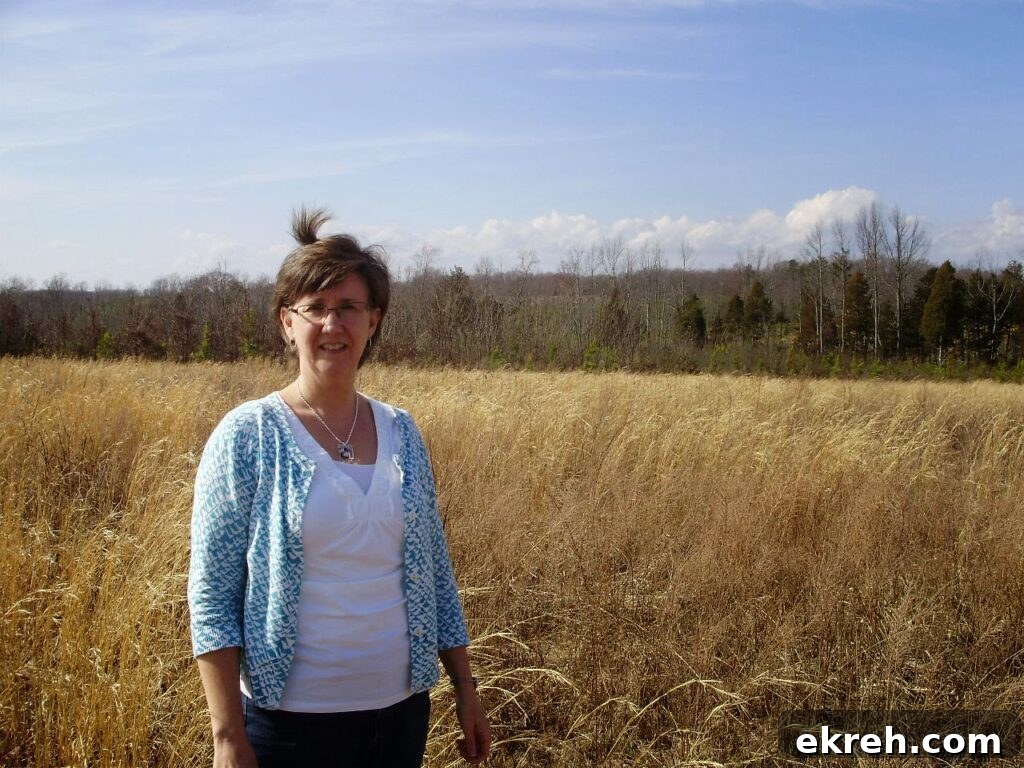
Why Heritage Travel Actually Matters
I’ve spent years building family trees and tracking down records online and in archives. There’s a clear difference between reading that a sixth great-grandfather ran a coffeehouse and standing where that shop once stood, ordering coffee and watching people pass on their morning routes. Research gives you facts; being there gives the texture and the story.
You don’t need a flawless family tree to get value from heritage travel. Even a fragmentary clue—“my great-grandmother was Irish” or a DNA hint of Eastern European roots—can guide a meaningful trip that connects you to places, food, and traditions.
Before you leave, organize the old family photos and documents you’ve been meaning to sort. Those unlabeled photos in a shoebox may show the exact house, street, or church you plan to visit. If the originals are fragile, consider professional scanning services that digitize delicate images safely so you can share them with relatives or local historians without risking damage. Digital copies also create backups of anything you find during your trip.
The research tells you the facts. Being there tells you the story.
What I Wish I’d Known Before My First Heritage Trip
Through trial and error I learned practical lessons that make heritage travel more productive and enjoyable. Here are the key takeaways I wish someone had told me:
You don’t need perfect records to start. Exact addresses help, but they aren’t essential. General clues and DNA results can point you to regions and cultural experiences worth exploring. A genetic ethnicity estimate, for example, can help you choose destinations and local activities that bring ancestral culture to life.
Pick one trip focus, not three. Trying to cram research, sightseeing, and cultural immersion into one week left me exhausted and frustrated. Decide in advance whether this trip is for deep archive research, cultural experiences, or locating specific ancestral places. If you want to find precise locations, map out two or three targets and spend real time there. If you want cultural immersion, plan meals, festivals, and classes that reflect your ancestors’ traditions.
Engage more than your eyes. Heritage travel is richest when you involve all your senses. Sit in a café near where an ancestor worked, taste local foods, walk old routes with a historic map overlay, and feel the landscape and climate that shaped their decisions. Historic map collections can be a great tool for comparing old and modern street patterns.
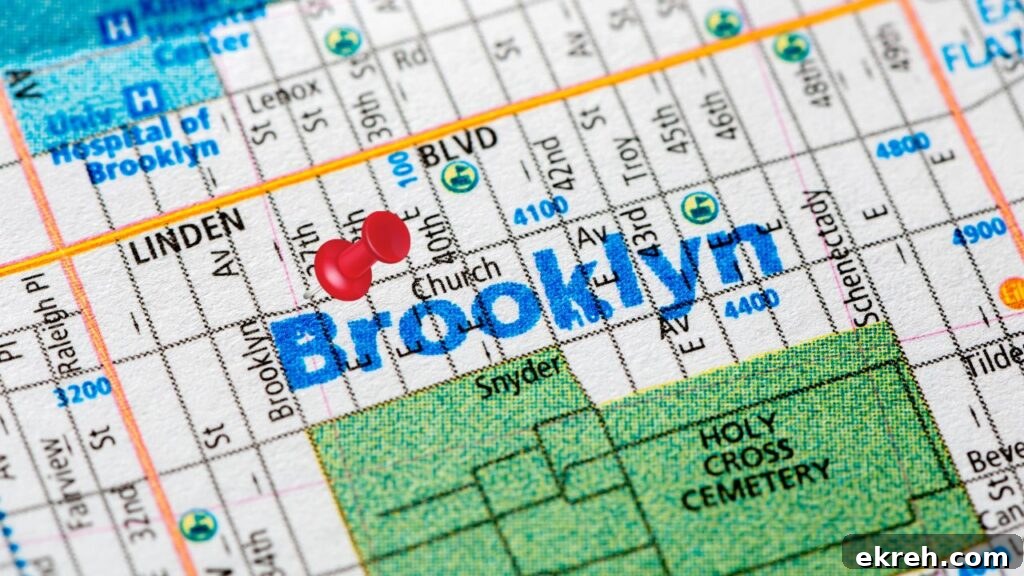
Research context, not just names. Learn what was happening in the area during your ancestors’ time. What economic, social, or political forces encouraged people to leave or stay? Local historical societies, newspapers, and regional histories can give the background that turns names and dates into a lived experience.
Document the trip properly. Take photos that show context as well as detail, jot down impressions and surprises, and keep small artifacts like a local newspaper clipping or a church bulletin. These details will help future generations connect with the story, not just the paperwork.
When You Can’t Actually Travel
If travel isn’t possible, you still have options to bring ancestral places closer:
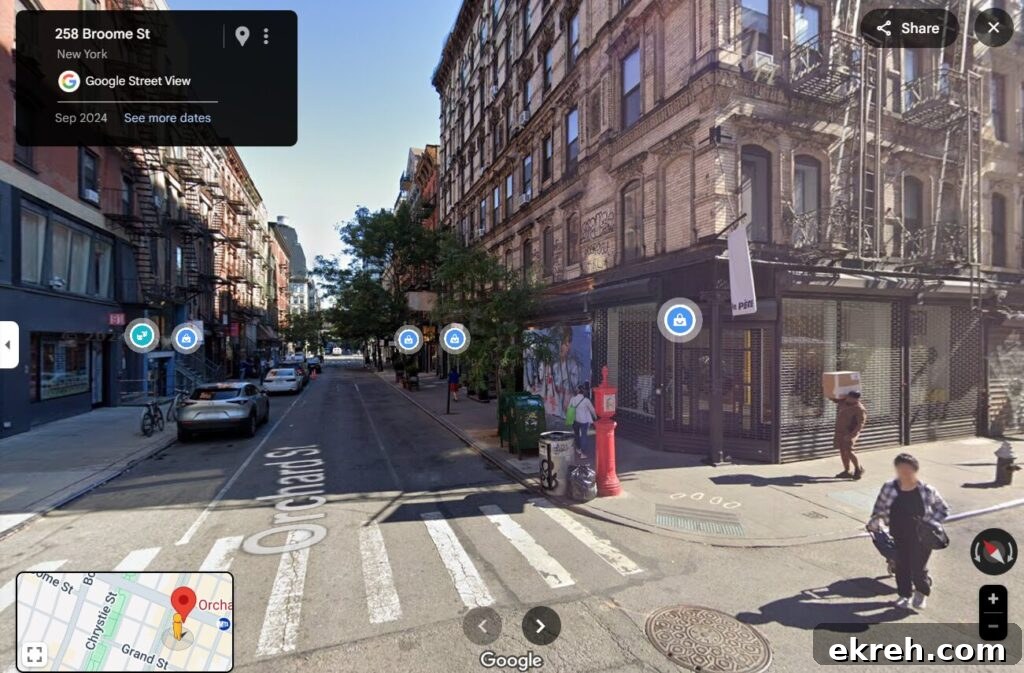
- Virtual street views let you “walk” ancestral neighborhoods and see current streetscapes.
- Online museum collections offer digital exhibits and artifacts from regions where your ancestors lived—many museums provide rich contextual materials you can study remotely.
- Local cultural organizations and ethnic centers often host events, language classes, and resources that connect you to traditions and history close to home.
- Cook traditional recipes to bring your heritage into the kitchen; food is a powerful way to engage younger family members in stories and traditions.
These approaches aren’t the same as being there, but they’re far more engaging than staring at spreadsheets and records alone.
Why This Matters
After several heritage trips and years of genealogy work, I’ve realized that family history lives in places, food, and lived experiences—not just in documents. Kids may ignore census tables, but they’ll remember the time you stood where an ancestor lived or the recipes you brought to the table. Experiences create emotional connections that last longer than lists of names.

Getting Started
Whether your family came from Ireland, Mexico, small-town America, or elsewhere, their world still exists and can be discovered. You don’t need perfect records or a big budget—just curiosity and a willingness to experience your family story, not only research it.
If you’re preparing to research ancestors in a particular country, look for free genealogy resources and local archives to build a research plan before you go. Documents you discover during a heritage trip often unlock clues you couldn’t find from afar.
Where are your ancestors calling you to visit? Tell your story and consider what small step you can take next—whether that’s organizing photos, contacting a local historical society, or planning a short, focused trip.