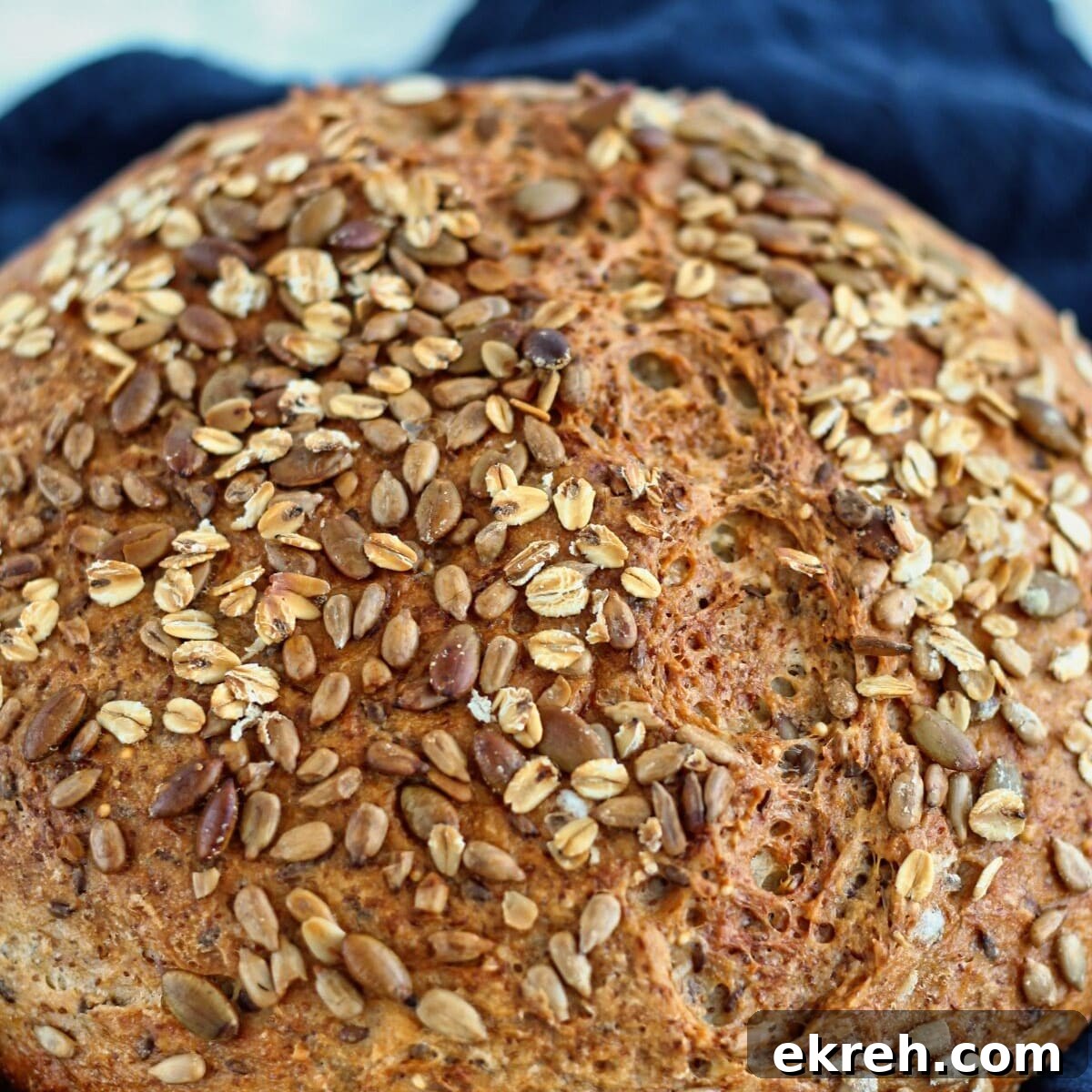
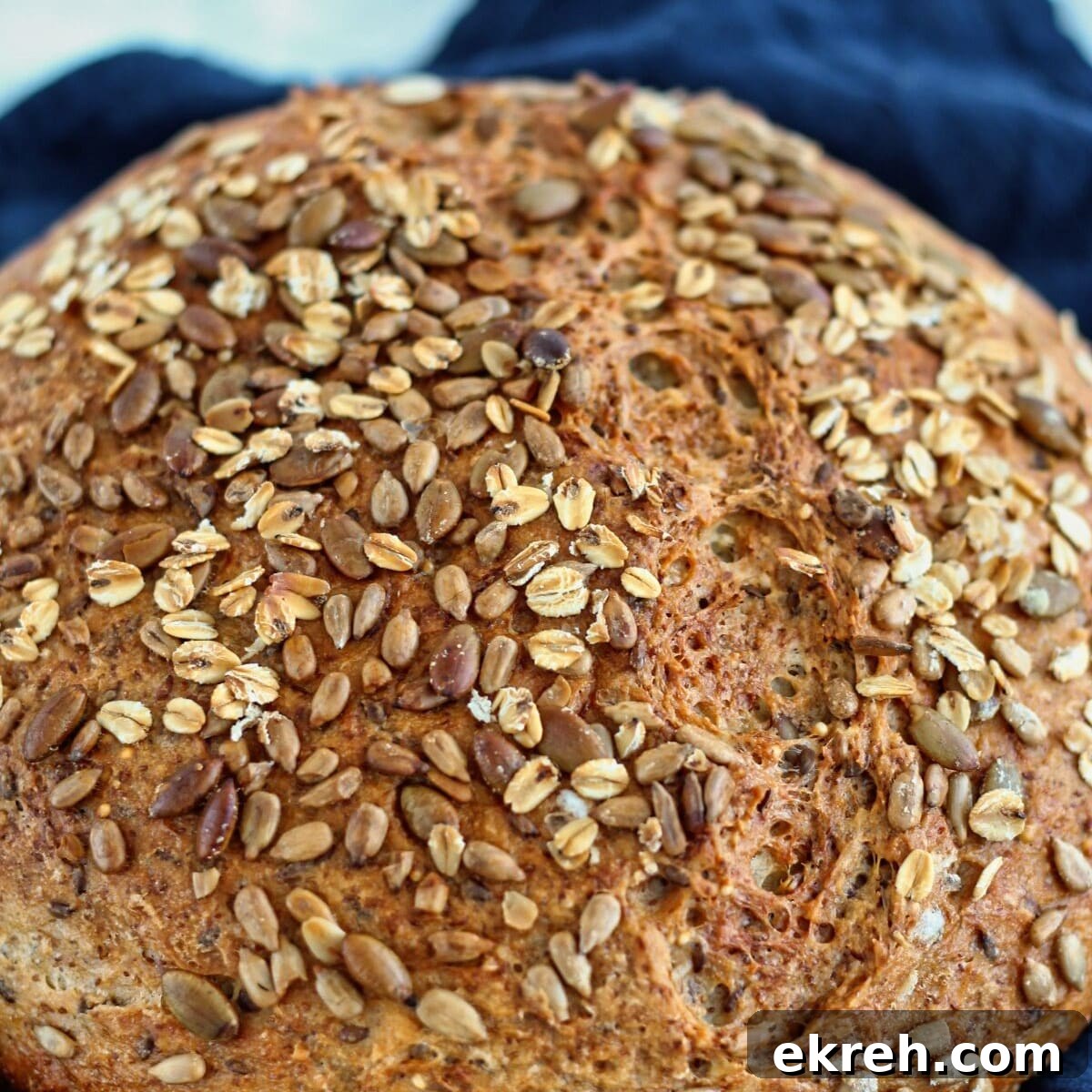
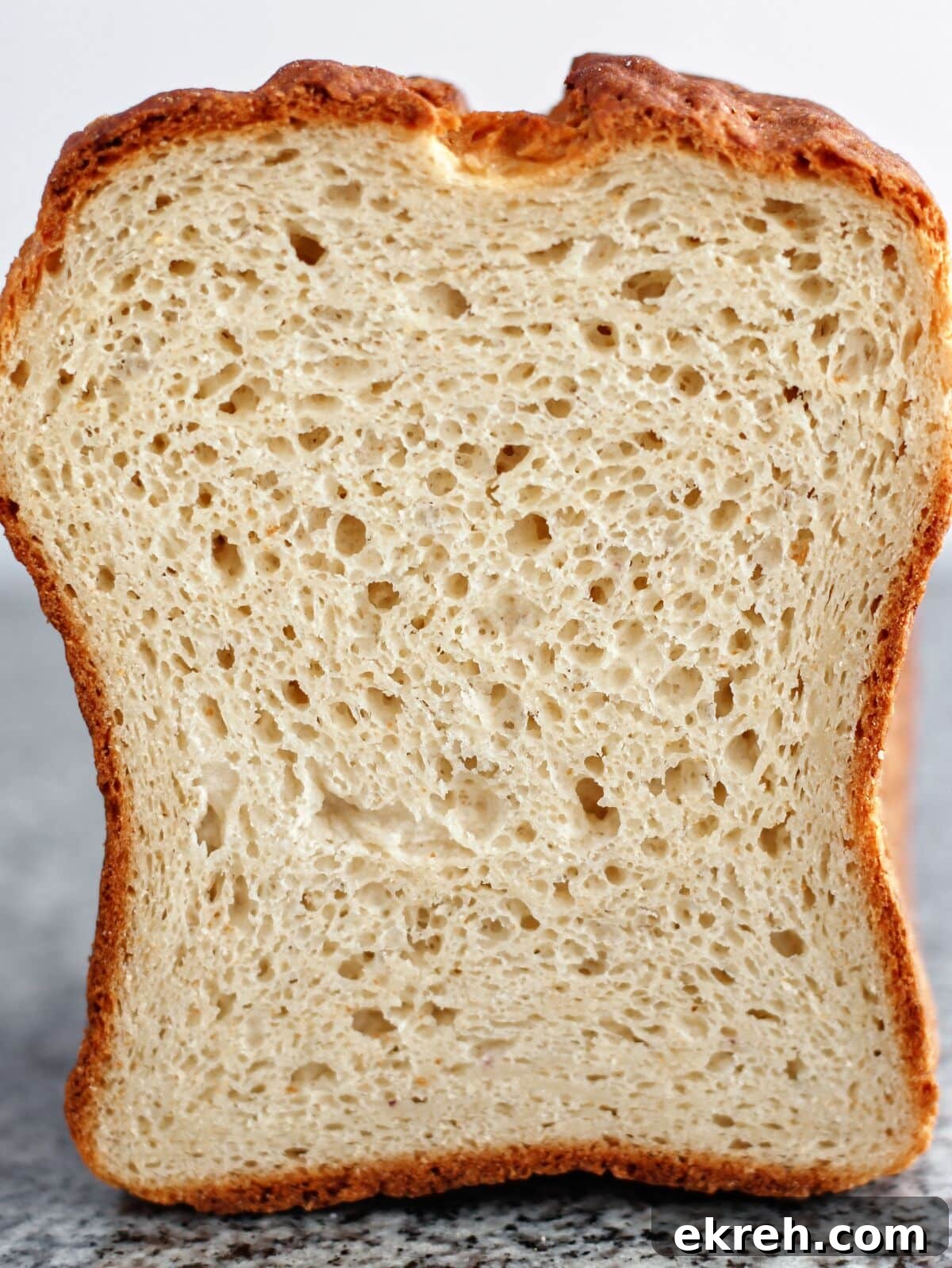
Kim’s gluten free multigrain bread flour blend is a versatile, ready-to-use mix designed to replace a standard gluten-free bread flour in any of my recipes. It creates a hearty, tender loaf with great flavor and texture—perfect for sandwich bread, boules, or seeded artisan loaves.
Some items mentioned may be available through affiliate links on the original site; purchases through those links can support the author at no extra cost to you.
I worked for years to develop a multigrain gluten-free flour blend that bakes reliably and tastes excellent. After many trials and adjustments, this formula delivers a loaf that is tender, well-structured, and full of flavor. The starches and protein in the blend replace gluten’s structure in a way that produces a familiar, satisfying crumb and crust.
Here’s what you’ll need
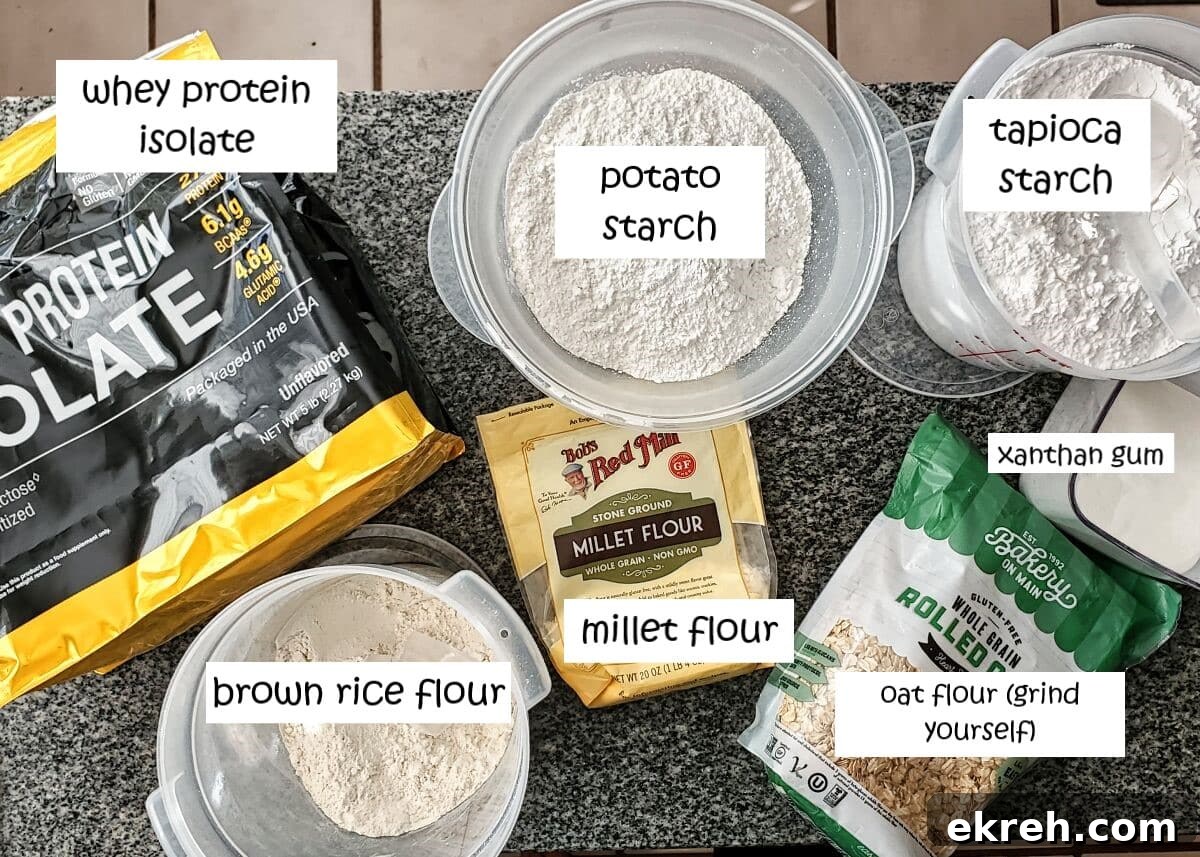
- Potato starch – A small amount of starch is essential to give structure and moisture retention. Attempts to omit starch failed, so it is a required component.
- Oat flour – Adds wholesome flavor and tenderness. Alternatives are listed below for those who need an oat-free option.
- Millet flour – Mild tasting and contributes a tender crumb.
- Brown rice flour – Use superfine or ultrafine brown rice flour for a smooth texture; gritty rice flours will negatively affect results.
- Tapioca starch – Works with potato starch to improve elasticity and bind the blend.
- Whey protein isolate – Replaces gluten protein to help with structure and rise. See substitutions if you need a dairy-free option.
- Xanthan gum – A little xanthan gum helps bind ingredients; it’s highly effective at small quantities.
How to make the gluten free multigrain flour blend
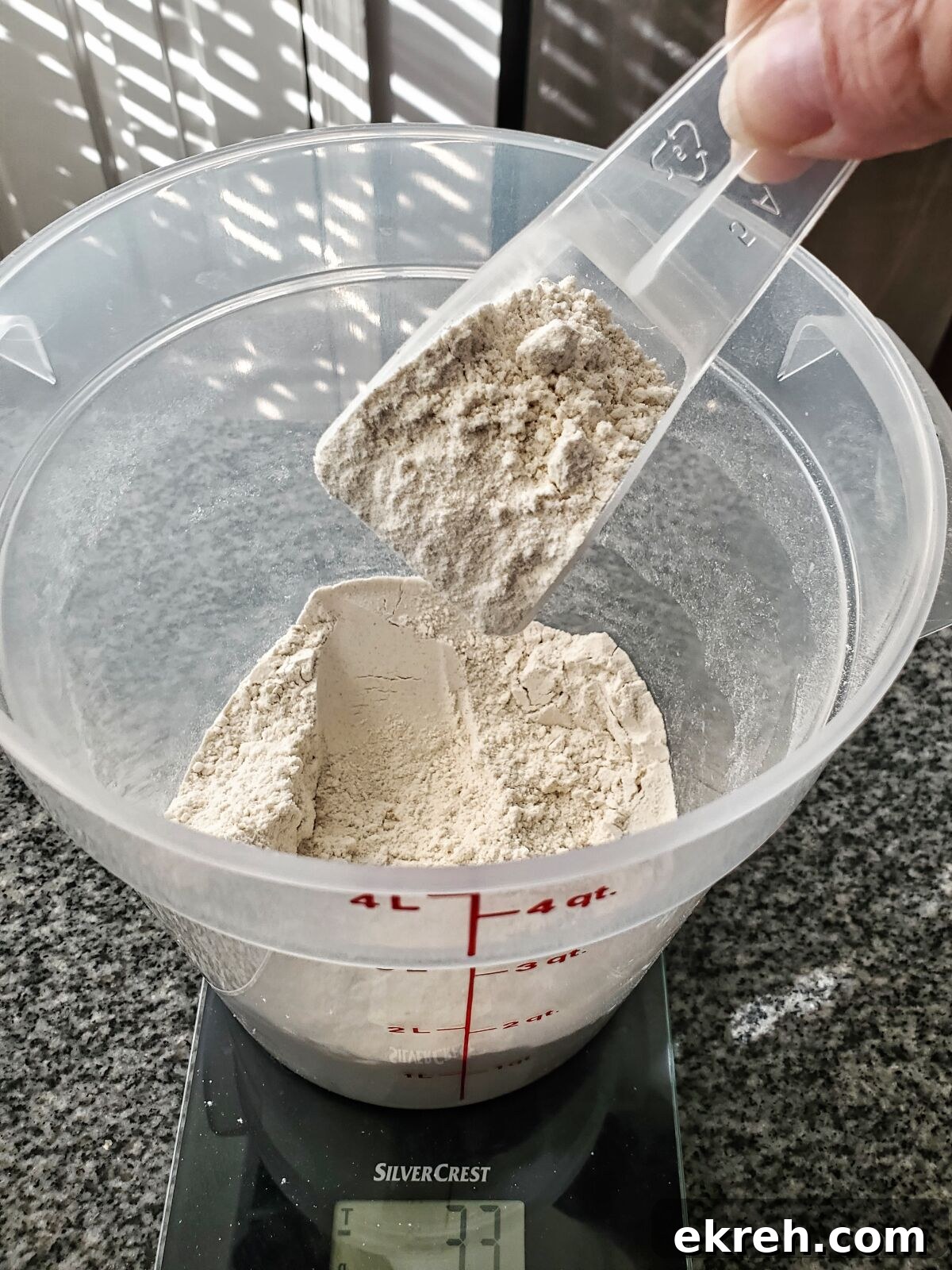
Making the blend is simple. Weigh each ingredient into a large, clean, airtight container. Seal the container and shake it vigorously in multiple directions to distribute the flours and starches evenly. Remove the lid and whisk the mixture for an extra thorough blending. Store the finished blend in a cool, dark pantry in an airtight container.
What recipes can this multigrain flour blend be used in?
This blend has been tested successfully in several bread styles and performs well across a variety of doughs. Examples include:
- A rustic sourdough boule with dried fruit and nuts—produced a flavorful, well-textured loaf that was a standout in taste tests.
- Pillowy soft dinner rolls—when the roll dough was baked in a loaf pan, it produced a soft, plush multigrain sandwich loaf.
- A seeded multigrain loaf created specifically to showcase this blend—nutritious add-ins and seeds enhance texture and flavor and pair beautifully with the flour mix.
Based on testing, this blend should work well as a one-to-one substitute for my standard gluten-free bread flour in most of my bread recipes. I will continue testing other recipes and will update guidance as new results are available.
Why is this flour blend measured in grams and not cups?
I develop all my blends using grams because weighing ingredients is far more precise and consistent than measuring by volume. Small percentage differences in flour amounts can change a gluten-free loaf’s texture significantly, so weighing ensures reliable results. A small kitchen scale is an inexpensive tool that makes baking easier and more accurate.
Substitutions
If you need to make substitutions for dietary restrictions, here are some options and cautions:
- Dairy-free protein: You can try soy, pea, hemp, egg white, or other isolate proteins, but results vary. Some readers report good outcomes with hemp or certain pea/quinoa blends; others did not achieve the expected rise or texture. If in doubt, make a small test loaf first.
- Oat flour substitutions: Sorghum or white teff flour are generally good substitutes and should give similar results. Buckwheat may also work for some bakers, though it has a stronger flavor.
- Millet flour substitutes: Sorghum, quinoa, or amaranth flour can be tried in place of millet, but each will alter flavor and color slightly.
- Xanthan gum substitutes: Guar gum can sometimes be used as a substitute for xanthan gum, but its behavior differs. If you choose guar, test a small batch first.
Kim’s Gluten Free Multigrain Flour Blend
Ingredients (makes about 5 cups / 700 grams)
- 100 grams potato starch
- 100 grams oat flour
- 85 grams millet flour
- 250 grams brown rice flour (superfine)
- 75 grams tapioca starch
- 75 grams whey protein isolate
- 15 grams xanthan gum
Instructions
- Weigh all ingredients into a large airtight container.
- Secure the lid and shake the container several times in different directions to combine evenly.
- Remove the lid and whisk the mixture thoroughly to ensure uniform distribution.
- For larger batches, scale the ingredients proportionally. The blend stores well—keeps up to three months in a cool, dark place in an airtight container.