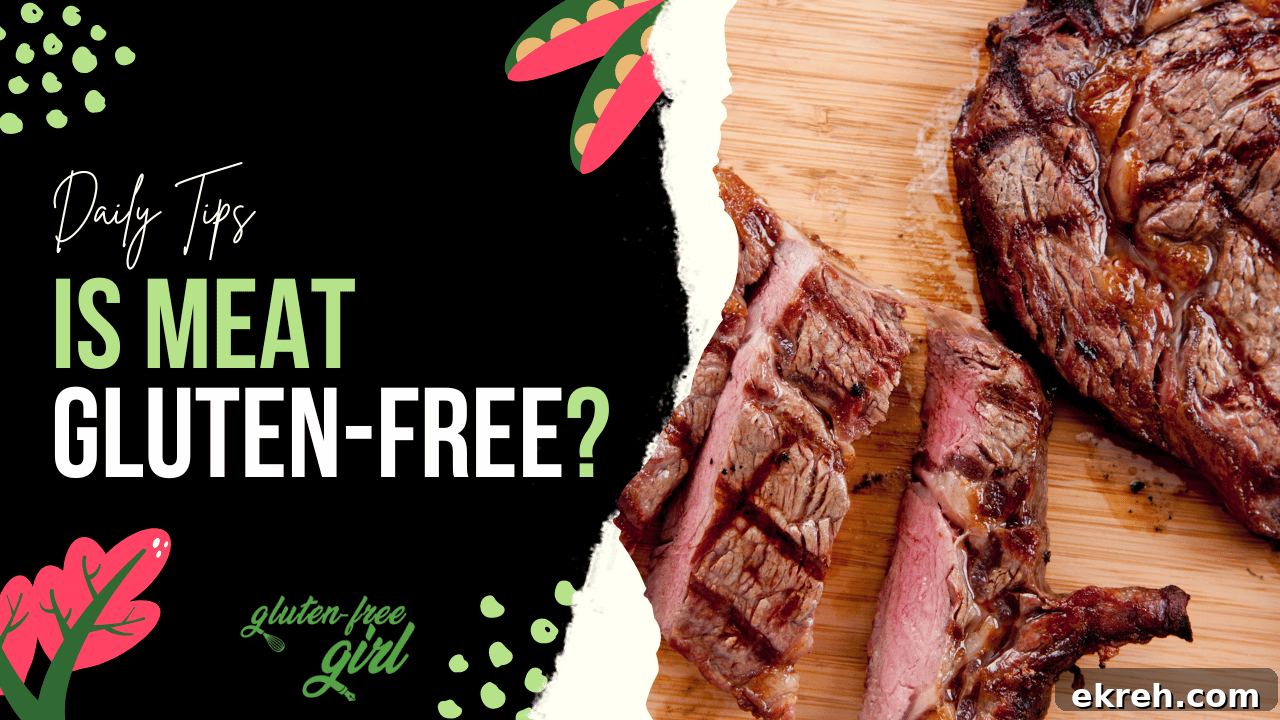
Yes, meat is gluten-free. Fresh, unprocessed meat contains no gluten—no wheat, barley, rye, or other gluten-containing grains. As an animal-derived protein, plain cuts of beef, pork, poultry, lamb, and fish are naturally free of gluten and are safe choices for people following a gluten-free diet.
Gluten concerns arise mainly when meat is processed, seasoned, breaded, or combined with sauces that include gluten-containing ingredients. Processed products such as sausages, deli meats, breaded chicken, or meat patties can contain fillers, binders, flavorings, or marinades that introduce gluten. Reading labels and choosing products labeled gluten-free, or preparing fresh meat at home, are the best ways to avoid accidental exposure.
For people with celiac disease or non-celiac gluten sensitivity, maintaining a strictly gluten-free diet is essential. Celiac disease is an autoimmune condition triggered by gluten ingestion in genetically predisposed individuals. As Dr. Alessio Fasano has noted, the gluten-free diet is a medical treatment for those with celiac disease. Avoiding gluten prevents intestinal damage and related health problems, so selecting plain, unprocessed meats or certified gluten-free meat products is important.
Can a Patient with Celiac Eat Meat?
Yes. Plain, unprocessed meat is safe for people with celiac disease because it does not contain gluten. The risk comes from added ingredients and cross-contamination during processing, cooking, or serving. Patients should verify ingredient lists, opt for certified gluten-free processed meats when available, and avoid sauces or marinades that may contain wheat, barley, or rye.
How is Meat Gluten-Free?
Meat is composed of muscle tissue and fat from animals—components that naturally do not include gluten. That inherent composition makes fresh meat gluten-free by nature. The main ways gluten can be introduced are:
- Added ingredients (breadcrumbs, wheat starch, soy sauce made from wheat, malt, or other gluten-containing additives).
- Breading, batters, or coatings applied during preparation.
- Cross-contamination on shared surfaces, utensils, grills, or in processing facilities.
To preserve the gluten-free status of meat, prefer whole cuts, check labels on processed items, and avoid shared preparation surfaces when possible.
What Gluten-Free Recipes Can You Create with Meat?
Meat works well in many gluten-free dishes. Examples include:
- Gluten-Free Bacon Cheeseburger Pasta: Use gluten-free pasta and plain ground beef or turkey with gluten-free seasonings.
- Skillet Tater Tot Casserole: Ground beef or sausage combined with gluten-free tater tots and seasonings.
- Gluten-Free Cheeseburger Soup: A hearty soup built on ground beef and naturally gluten-free broths.
- Gluten-Free Flavor Bomb Burgers: 100% ground beef patties seasoned with gluten-free spices.
- Gluten-Free Cottage Pie: Ground beef or lamb topped with mashed potatoes—no flour required.
- Gluten-Free Beef Burritos: Use gluten-free tortillas or bowls and seasoned beef.
- Cowboy Hamburger Soup: Robust, beef-based soup without gluten-containing thickeners.
- Gluten-Free Loaded Nachos: Gluten-free chips topped with cooked, seasoned meat.
- Gluten-Free Beef Enchilada Skillet: Use gluten-free enchilada sauce and shredded or ground beef.
- Gluten-Free Stuffed Shells: Use gluten-free pasta shells and meat fillings made with beef or sausage.
- Gluten-Free Korean Beef Bowl: Season beef with gluten-free versions of Asian sauces like tamari or coconut aminos.
Are Hot Dogs Gluten Free?
Hot dogs can be gluten-free, but you must check the sausage and the bun. Many hot dogs are naturally gluten-free, but some brands use fillers or seasonings containing gluten. In the U.S., products labeled “gluten-free” must contain less than 20 ppm gluten, which is acceptable for most people with celiac disease. To be safe, choose certified gluten-free hot dogs and gluten-free buns, and avoid cross-contamination during cooking and serving.
Is Bacon Gluten Free?
Bacon is inherently gluten-free because it’s derived from pork belly. However, check packaging for added flavorings, glazing, or smoke flavorings that could contain gluten or be processed on shared equipment. Cross-contamination risk is generally low, but label reading and facility awareness are prudent for those with high sensitivity.
Is Sausage Gluten Free?
Sausage may or may not be gluten-free. Ingredients like breadcrumbs, wheat starch, malt, and some sauces can add gluten. Fresh sausages made only from meat and gluten-free seasonings are safe, while some pre-cooked or processed sausages contain gluten. Look for explicit gluten-free labels or brands that test for gluten; otherwise, read ingredient lists carefully and avoid sausages processed on shared lines if cross-contamination is a concern.
Is Chicken Gluten Free?
Plain, fresh chicken is gluten-free. Prepared chicken dishes can contain gluten when breaded, battered, marinated in sauces with wheat-based soy sauce, or cooked on shared surfaces. At home, use gluten-free marinades and separate utensils and cutting boards to avoid cross-contamination. In restaurants, ask about preparation methods and ingredients.
Is Salami Gluten Free?
Salami and other cured deli meats can sometimes contain gluten, depending on additives, fillers, or processing methods. Some brands are gluten-free, but others may include binders or flavorings with gluten. Always read labels or choose certified gluten-free deli meats, and be mindful of cross-contamination at delis and sandwich counters.
Is Steak Gluten Free?
Steak in its unprocessed form is gluten-free. The main concerns are marinades, sauces, breading, or contamination from cooking surfaces. Ask about ingredients or prepare steak at home using gluten-free seasonings and clean cookware to maintain a safe gluten-free meal.
Is Turkey Gluten Free?
Plain turkey is gluten-free, but some pre-brined or basted turkeys are injected with solutions that may contain gluten. Read ingredient labels on whole birds and discard any gravy mix packets that contain wheat. For holidays, choose plain or certified gluten-free turkeys and prepare gravy using gluten-free stock and thickeners if needed.
Is Beef Gluten Free?
Fresh beef is naturally gluten-free. Even when cattle are grain-finished with feeds containing wheat or barley, the digestive process does not leave measurable gluten in the beef itself. Processed beef products, though, can contain gluten from additives or fillers—so prefer whole cuts or certified gluten-free processed items.
Are Hamburgers Gluten Free?
Homemade hamburgers made from 100% ground beef are gluten-free. Restaurant or pre-formed patties can include breadcrumbs or binders that contain gluten. Verify ingredient lists or ask how patties are prepared, and choose gluten-free buns or lettuce wraps when necessary.
How Do You Keep Meat Dishes Gluten-Free?
Follow these steps to reduce the risk of gluten exposure:
- Start with whole, unprocessed cuts of meat.
- Read labels for additives, fillers, marinades, and seasonings.
- Clean surfaces, grills, pans, and utensils thoroughly between uses to prevent cross-contamination.
- Keep separate cutting boards and cooking tools for gluten-free foods when possible.
- Use gluten-free sauces and substitutions (tamari, gluten-free soy sauce, cornstarch thickeners).
- Cook gluten-free items before or separately from gluten-containing foods, and avoid reusing marinades that have contacted gluten-containing items.
- Monitor cooking temperatures and rest meats properly for quality and safety.
Does Corndog Have Gluten?
Typical corn dogs are not gluten-free because their batter usually includes wheat flour. Gluten-free versions do exist from specialty brands or homemade recipes that use gluten-free flour blends. Check packaging or prepare at home using certified gluten-free ingredients.
Is there a Gluten-Free Liquor with Meat Ingredient?
Most distilled spirits are gluten-free, but beer is not, since it’s made from gluten-containing grains like barley. When cooking with alcohol for meat dishes, avoid beers or other gluten-containing beverages in marinades and sauces. Choose gluten-free spirits or use small amounts of wine or gluten-free flavored ingredients, and verify all added condiments are gluten-free.
How Can You Prevent Gluten Cross-Contamination in Dishes Using Meat?
Prevent cross-contamination by:
- Using separate cutting boards and utensils for raw meat and gluten-free foods.
- Thoroughly washing hands, utensils, and surfaces after handling gluten-containing ingredients.
- Avoiding shared marinades or reuse of sauces that have contacted gluten-containing foods.
- Keeping grills and pans clean and, when possible, reserving a clean area for gluten-free cooking.
- Choosing products from brands with strong cross-contamination controls or certified gluten-free labeling.
Are Desserts with Meat Gluten-Free?
Most desserts that include meat—such as bacon-studded cookies, bread puddings containing bacon fat, or truffles with cookie crumbs—are not gluten-free if they use wheat flour, cookie crumbs, or bread. To enjoy meat in desserts safely, use gluten-free baking ingredients and prevent cross-contamination in the kitchen. For people with celiac disease, prioritize certified gluten-free recipes or naturally gluten-free desserts made from fruits, dairy, and gluten-free flours.
Can I Add Meat to a Gluten-Free Pasta Recipe?
Yes. Add cooked, plain meat to gluten-free pasta made from rice, corn, lentils, or certified gluten-free blends. Use gluten-free flours (or store-bought gluten-free pasta), incorporate xanthan gum if the blend requires it, rest dough when making homemade pasta, and avoid sauces or toppings that contain gluten. Pair meat with gluten-free sauces and vegetables for a balanced dish.
Is Fried Rice with Meat Gluten-Free?
Fried rice can be gluten-free if you avoid traditional soy sauce, oyster sauce, and other condiments that contain wheat. Use tamari, gluten-free soy sauce, or coconut aminos, and ensure the meat is not breaded or coated with flour. Be cautious about cross-contamination in restaurant kitchens and opt for homemade versions when possible.
Are All Food Products with Meat Gluten-Free?
No. While fresh meat is naturally gluten-free, many processed meat products contain hidden gluten from binders, fillers, flavorings, or processing methods. Always check ingredient lists, prefer certified gluten-free products, and be mindful of cross-contamination in both industrial and home kitchens to ensure safety for those with gluten-related disorders.