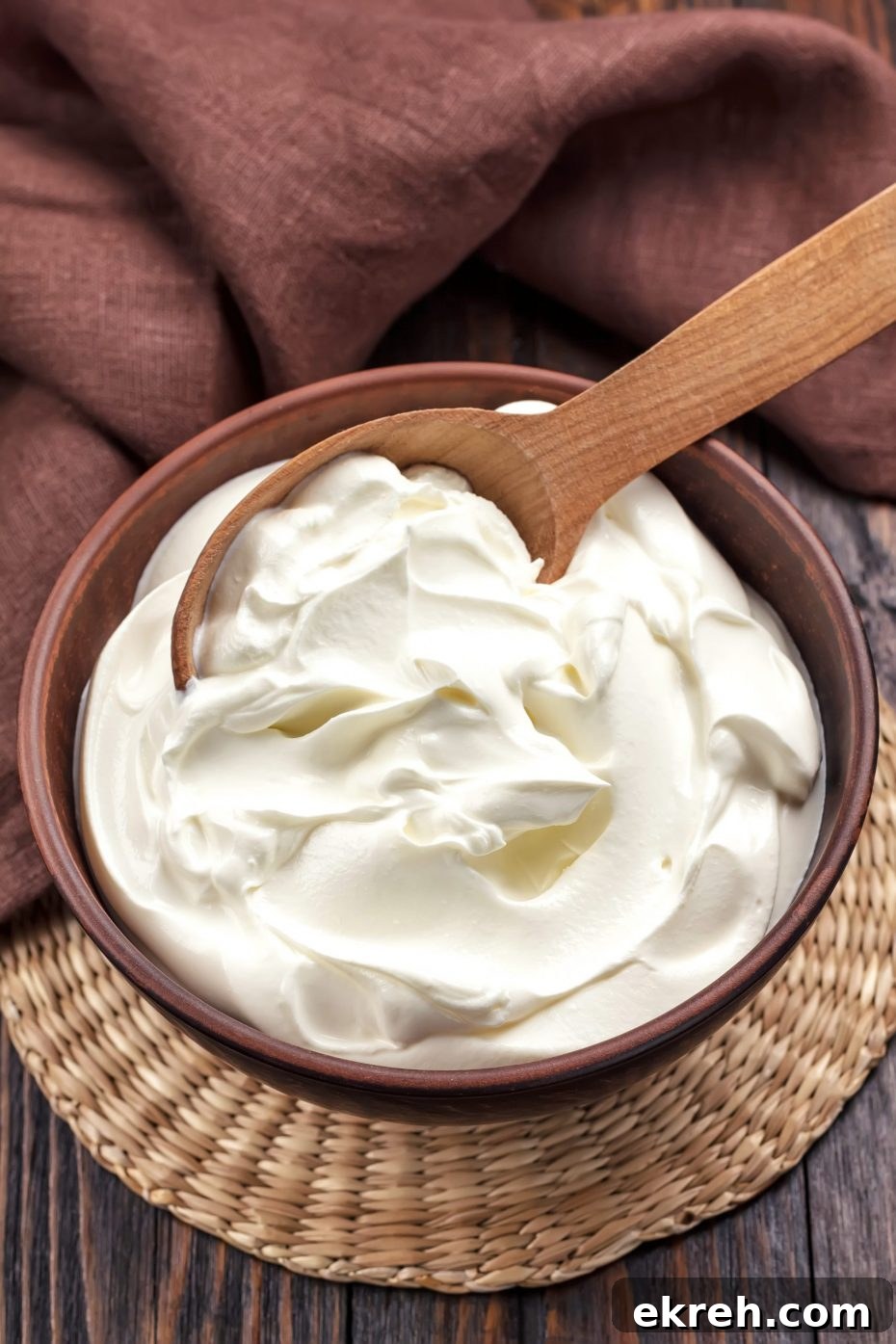
Sour cream is simply cream that has been cultured with specific bacteria to give it a tangy flavor. As a fresh dairy product, it tastes best when new and can spoil relatively quickly, whether the tub is opened or unopened. If you sometimes end up with unused containers in the fridge, here’s how to tell when sour cream has gone bad and how to keep it fresh longer.
How to Tell If Your Sour Cream Has Gone Bad
1. Visible Mold
If you see any fuzzy, green, grey, or black spots on the surface, discard the entire container. Mold can penetrate beyond the surface, so scraping it off is not safe. Even small white round patches or irregular filmy clumps can indicate invisible mold growth and call for disposal.
2. Color Changes
Sour cream should be a clean, consistent white or off-white. Use a clean spoon to stir it and check for any discoloration. Yellowing, greying, or other unusual hues are a strong sign of bacterial or fungal contamination, meaning the product is no longer safe to eat.
3. Off or Strong Odors
Fresh sour cream has a mild, pleasantly tangy aroma. If it gives off a sharp, rancid, yeasty, or otherwise unpleasant smell beyond the usual tang, bacteria have likely multiplied and the sour cream should be thrown away.
4. Unpleasant Taste
The taste test is a last resort: fresh sour cream is mildly tangy and creamy. If it tastes sharply bitter, overly sour in a harsh way, or otherwise off, do not use it. Eating spoiled dairy can cause foodborne illness.
5. Curdling or Lumpy Texture
A thin layer of whey (clear or slightly milky liquid) on top is normal and harmless; you can either stir it back in or pour it off. However, if the texture is lumpy, curdled, or separated in uneven clumps, that indicates spoilage and the tub should be discarded.
6. Drying at the Edges
If the sour cream has dried and is sticking to the sides of the container while the center is no longer moist, that dryness suggests it has deteriorated—especially if there is no whey present. Properly stored sour cream should remain moist and spreadable.
7. Unusually Dense Texture
Sour cream is naturally thick, but it should not feel overly dense or chalky. A dense consistency can indicate that it has dried out or been exposed to air and contaminants, which shortens its usable life.
How to Prevent Sour Cream Spoilage
Sour cream is an inviting environment for bacteria and mold, but proper storage and handling can slow spoilage and extend freshness.
1. Keep it refrigerated
Always store sour cream at or below 40°F (4°C), whether opened or unopened. Avoid leaving it at room temperature for extended periods, since higher temperatures accelerate microbial growth. Store containers toward the back of the refrigerator where the temperature is most stable, not in the door.
2. Seal containers tightly
After opening, keep the tub tightly covered with the original lid or transfer the sour cream to a clean, airtight container. For extra protection in larger tubs, press plastic wrap directly onto the surface before replacing the lid to minimize air exposure.
3. Use clean utensils
Always scoop sour cream with a clean, dry spoon to avoid introducing bacteria from other foods. Cross-contamination from dirty utensils is a common cause of premature spoilage.
Frequently Asked Questions
Can you get sick from expired sour cream?
If sour cream shows signs of spoilage—mold, off smell, discoloration, or an unpleasant taste—consuming it can cause foodborne illness. If it appears and smells normal, the risk is low, but always inspect before use.
Can you eat sour cream left out overnight?
No. Sour cream left at room temperature overnight is likely unsafe because bacteria multiply quickly once the product warms up.
How long before sour cream spoils at room temperature?
Sour cream can begin to spoil after roughly 2–4 hours at room temperature. If it has been left out that long, discard it for safety.
Can you use spoiled sour cream for baking?
Using spoiled sour cream in baking is not recommended. Heating might kill some bacteria, but toxins and off-flavors can persist and pose a health risk.
What about unopened tubs past the sell-by date?
An unopened tub stored properly in the refrigerator may still be usable a short time after the sell-by or use-by date—commonly within about three weeks—but always check for signs of spoilage before using. If it is a month past the date or shows any spoilage indicators, discard it.
© Beat Bake Eat. All images & content are copyright protected. Unauthorized use and/or duplication of this material without written consent from this site’s author and/or owner is strictly prohibited.