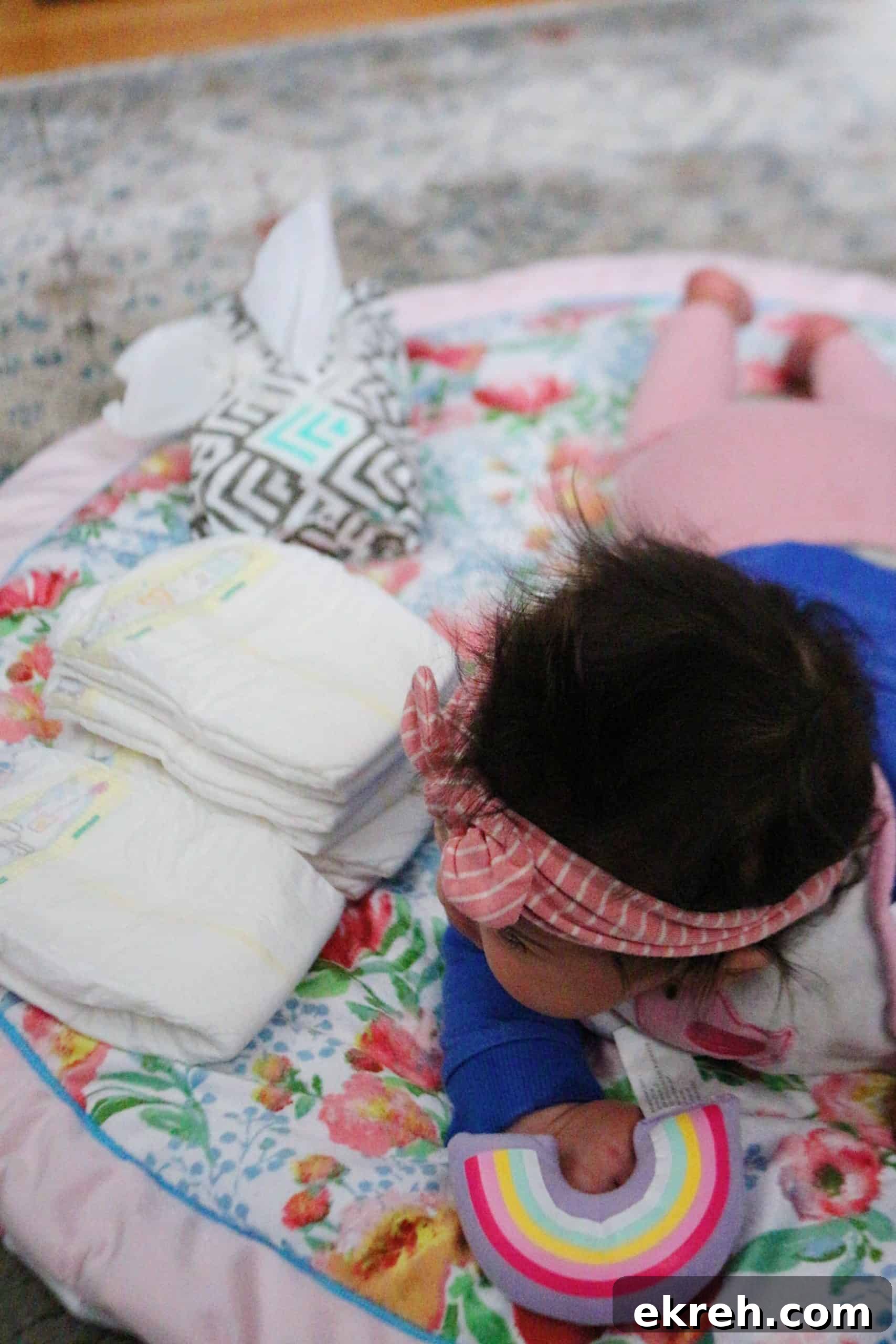
Using baking soda and coconut oil are two of the best diaper rash home remedies I have found for my babies.
The Two Best Diaper Rash Home Remedies
Please remember: always consult your pediatrician before trying new treatments on young children.
All three of my children experienced diaper rashes at different stages. I have sensitive skin myself, so it seems likely that sensitivity runs in the family. Our older two outgrew their diaper days some time ago, but our youngest—now three months old—still needs extra care. For her, a cream at every diaper change is often necessary to prevent irritation. We found one ointment that works well for everyday use, but even the best creams sometimes don’t fully soothe a stubborn rash.
Over the years I’ve relied on two simple, gentle home remedies that consistently help calm and heal diaper-area irritation: a baking soda bath and topical coconut oil. I first used these on my now-school-age children and have continued using them with our baby. Below I describe how we use each treatment, along with practical tips to make them safe and effective.
(This is not medical advice—if you have any concerns about your child’s rash, contact your healthcare provider.)
Remedy One: Baking Soda in a Warm Bath
Baking soda can help neutralize skin irritation and soothe inflamed skin when used in a warm sitz-style bath. The warm water relaxes and softens the area, and a brief soak can provide immediate relief.
- Run a warm bath and stir in about two tablespoons of baking soda. Make sure the water is comfortably warm, not hot.
- Place your baby in the bath and let them sit for around 10 minutes. Avoid using soap on the irritated area, as soaps and bubble baths can worsen redness and dryness.
- Gently rinse the area with the bath water if needed. Pat the skin dry with a soft towel—do not rub, which can aggravate the rash.
- If it isn’t bath time, you can use a shallow basin with warm water and baking soda and have your baby sit for about ten minutes to soak the affected area.
- Repeat this once or twice a day until the rash improves. If the skin becomes drier, reduce frequency and follow up with a gentle moisturizer or barrier ointment recommended by your pediatrician.
Remedy Two: Coconut Oil
Coconut oil is a gentle option many parents use to help soothe diaper-area irritation. It has mild anti-inflammatory properties and creates a light protective layer on the skin.
- After bathing and thoroughly drying the skin, scoop about half a teaspoon of coconut oil and warm it between your fingers until it melts.
- Gently massage the oil over the irritated area and allow it to absorb before putting on a fresh diaper. Coconut oil can act as a light barrier and help keep the skin moisturized.
- Use the coconut oil at each diaper change or at least once daily until the rash clears. If you notice increased redness, itching, or any reaction, stop using the oil and consult your pediatrician.
- If you’re concerned about sensitivities, try a small patch test on an uninvolved area of skin before wider application.
In many cases, combining a baking soda soak with daily application of coconut oil helps a mild diaper rash improve within a day or two. Results can vary depending on the cause of the rash—irritant, yeast, or allergic reactions may require different care—so keep an eye on how the skin responds.
When to Contact a Doctor
Seek medical advice if the rash is severe, spreads beyond the diaper area, forms blisters or open sores, is accompanied by fever, or does not improve with home care. Your pediatrician can determine whether prescription treatment or further evaluation is necessary.
Prevention Tips
- Change diapers frequently to keep the area clean and dry.
- Gently pat—don’t rub—the skin dry after cleansing or bathing.
- Give diaper-free time when possible to let the skin breathe.
- Avoid heavily fragranced wipes or soaps that can irritate sensitive skin.
- Use a thin, protective layer of barrier cream or ointment as needed between diaper changes.
I hope these simple remedies help bring your baby comfort. What home remedies or prevention tips have worked for you? Share your experience and suggestions in the comments below.