When I first opened a copy of The Paleo Kitchen by Julie Bauer of PaleOMG and George Bryant of The Civilized Caveman, I turned straight to the introduction. A cookbook may be mostly recipes, but the introductions, tips, and personal stories are what make each book unique. Those pages reveal the authors’ approach and voice in a way that social posts rarely capture.
The Paleo Kitchen is far more than a collection of recipes. It dedicates roughly 70 pages to explaining the Paleo lifestyle—what it is, why it matters, and how to adapt recipes and techniques for daily cooking. That context makes the recipes useful for beginners and experienced Paleo cooks alike. Whether you’re just learning to cook meat or you can flip paleo pancakes with your eyes closed, there are recipes and techniques worth trying. If you haven’t made Julie and George’s pancakes, put a bowl and spatula on your counter—they’re worth it.
I’ve tried several dishes from the book with great results. A comforting chicken “noodle” soup and a rich burger both stood out. I followed the burger recipe closely, then experimented by topping it with aged cheese and caramelized onions—an indulgence that complemented the patty beautifully.
One night I decided to pull several recipes together for a single, satisfying dinner. I started with the Slow Cooker Pulled Pork from the book. The recipe is forgiving and full of flavor, and after the pork finished cooking I crisped the shredded meat using Mark Sisson’s crispy carnitas technique to add texture and contrast.
Next I made a bright, tangy barbecue sauce from the book that delivers big flavor without added sugars or honey. The sauce balances acidity and seasoning in a way that makes it surprisingly versatile—great with pork, chicken, or as a dipping sauce for roasted vegetables.
I also tackled the book’s simple mayonnaise recipe. I’d tried to make mayo before and ended up with a thin, separated sauce rather than a creamy emulsion. The Paleo Kitchen includes a practical tip about using the right container and blending method. It worked perfectly: the mayo was thick and stable—so thick, in fact, that my spoon stood upright in the bowl.
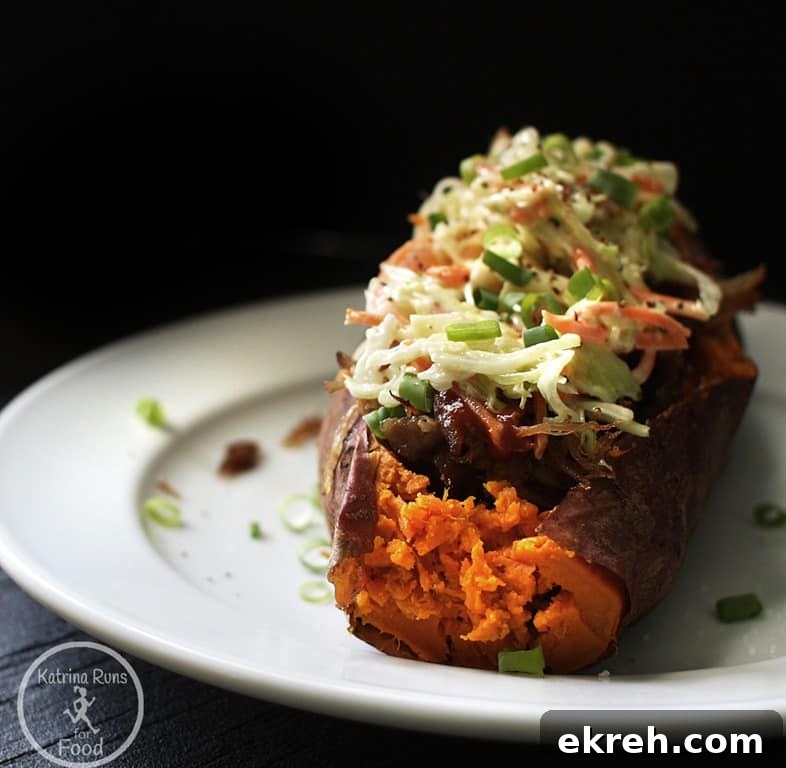
With pulled pork, tangy barbecue sauce, and thick homemade mayo ready, I assembled Loaded Barbecue Sweet Potatoes. The dish brought everything together: the tender sweet potato base, crisped pork, vibrant slaw, and the mayo-based dressing made for a satisfying mix of textures and flavors. I was skeptical about the slaw—slaws aren’t usually my favorite—but prepared by the book it added a bright, crunchy foil to the rich pork and sauce.
Here’s a closer look that nearly made me drool on the table—if you like smoky, tangy, and slightly sweet combinations, this platter will hit the mark.

The Paleo Kitchen was scheduled for release on June 10th. If you enjoy practical cooking guidance paired with approachable Paleo recipes, this book is worth a spot on your shelf. It offers technique-driven recipes, clear tips for success, and creative combinations that make weeknight dinners feel special without requiring complicated ingredients or equipment.