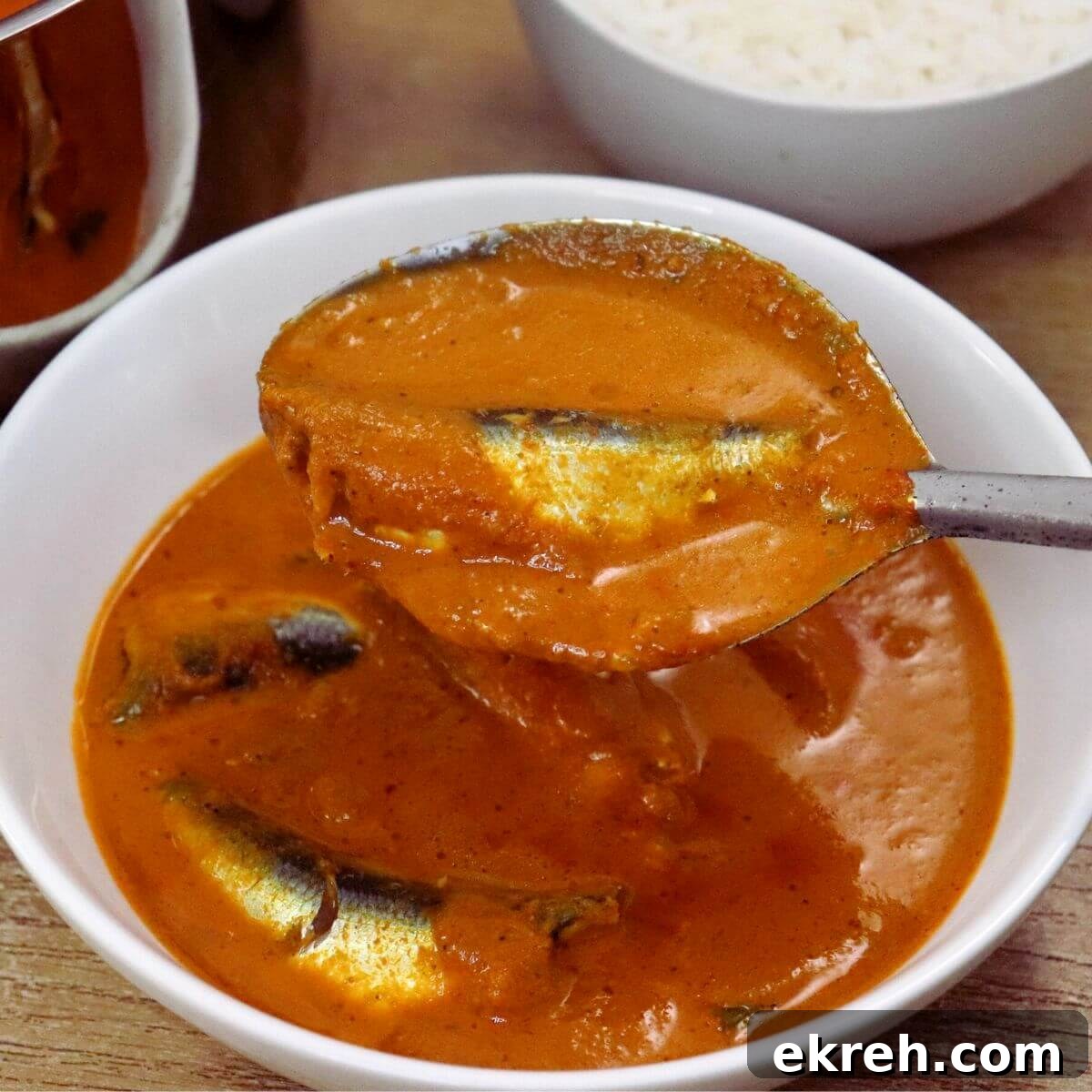
This Sardine curry is a classic coastal fish curry made with fresh or canned sardines simmered in a tangy, spicy coconut-based sauce. Originating in Mangalorean cuisine, this dish—also called Tarle curry or Buthai Meen Ghassi—is ready in about 30 minutes and pairs wonderfully with steamed rice. Below you’ll find a clear, step-by-step recipe with photos and helpful tips.
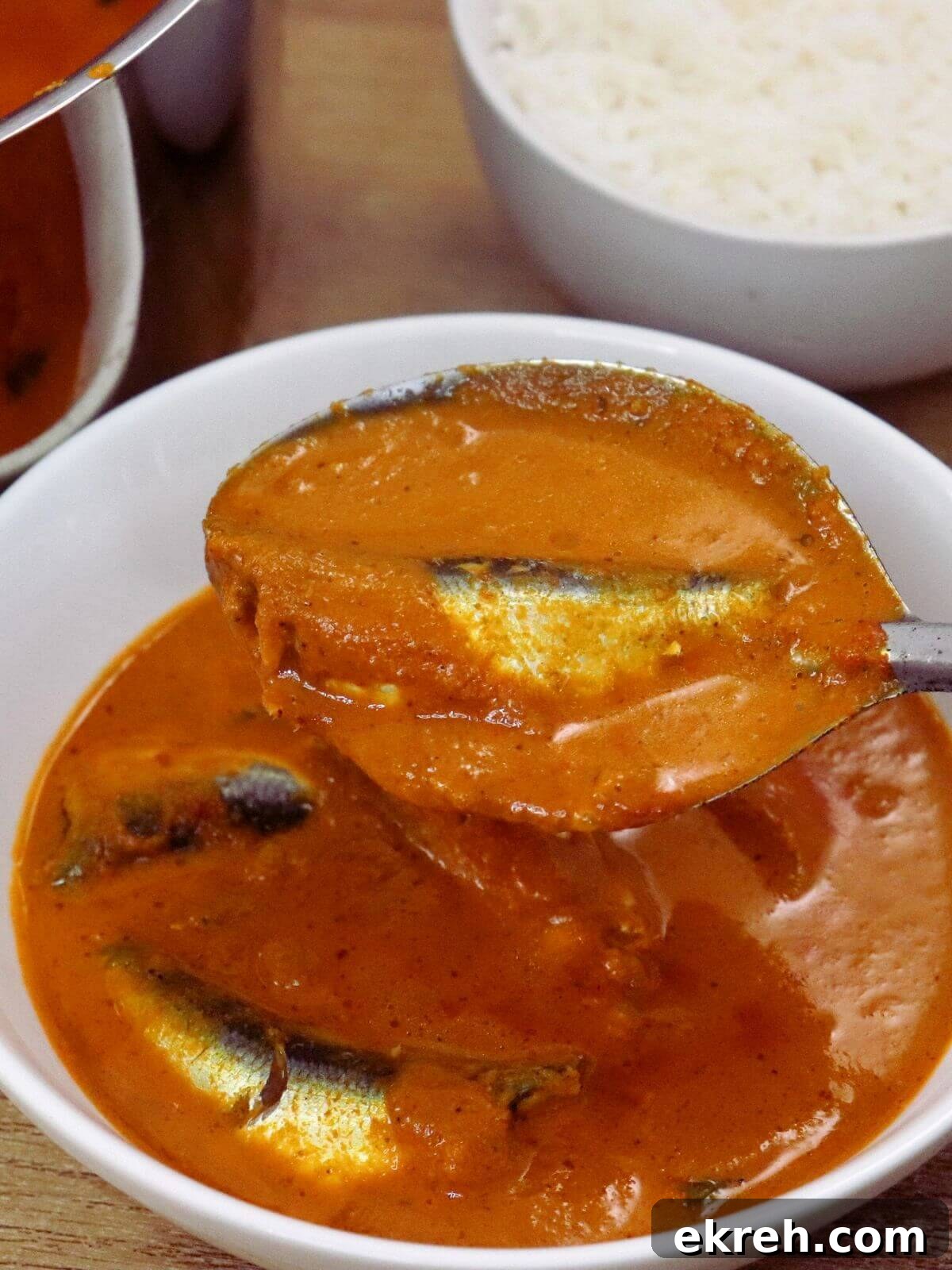
About This Sardine Curry
This post explains how to make a traditional Mangalorean-style sardine curry. The recipe works with fresh, frozen, or canned sardines and can be adapted for other firm fish such as mackerel, kingfish, or pomfret. The curry balances tangy tamarind, fragrant coconut, and warm spices to highlight the natural flavor of the sardines.
In Mangalore, this dish is commonly known as Buthai Meen Ghassi or Tarle Curry. “Buthai Meen” refers to sardine and “ghassi” means curry.
The method is straightforward: prepare a coconut-spice masala, bring it to a simmer, gently add the sardines and cook briefly. Avoid overcooking to keep the fish tender. Serve the curry with hot steamed rice or traditional South Indian breads.
Ingredient Notes
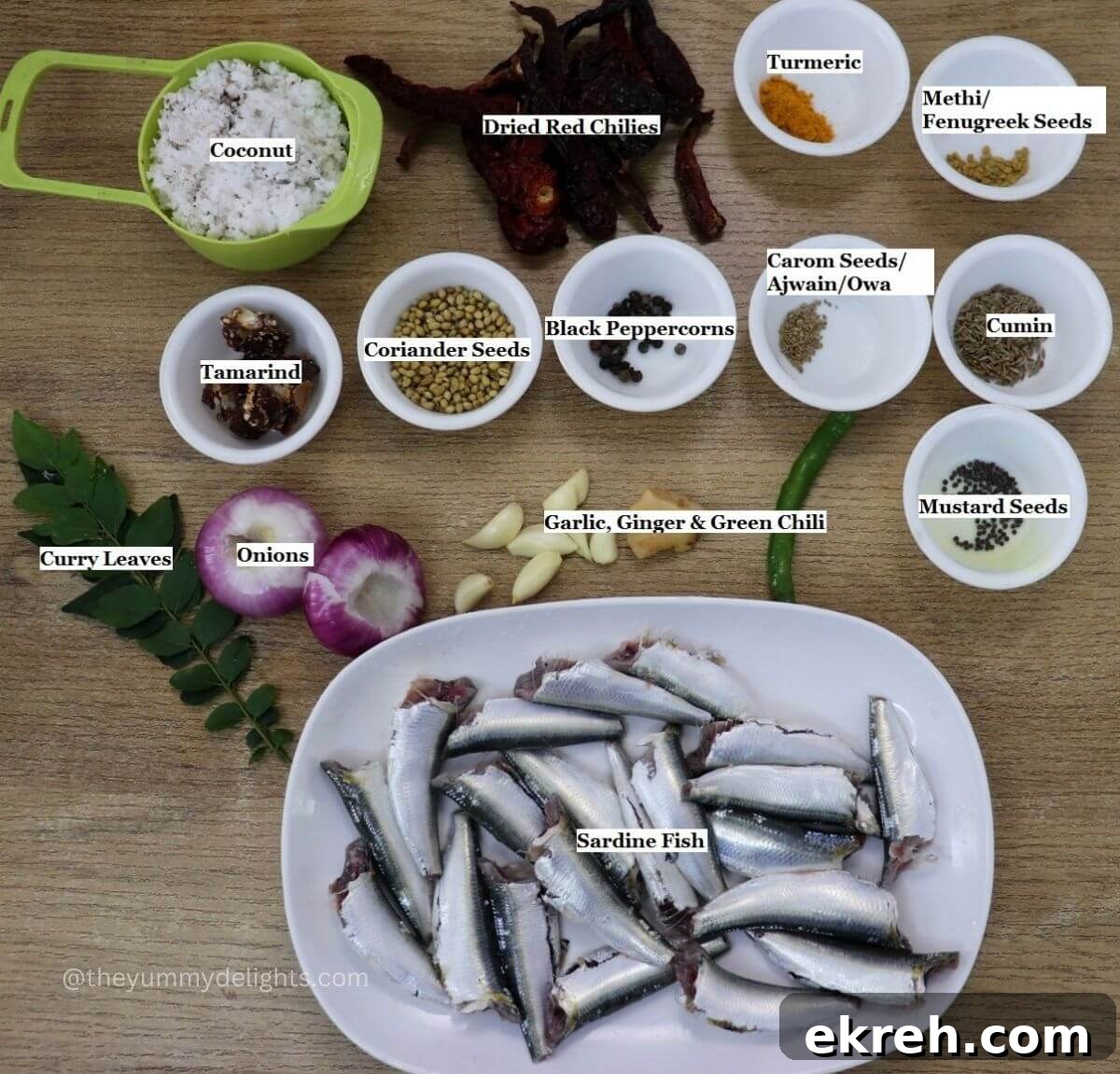
This coastal Karnataka curry relies on a few key elements: tangy tamarind (or a lemon substitute), toasted spices, mild red chilies for color, and fresh coconut for creaminess. Fresh sardines are best when available, but canned sardines or frozen sardines work well and make this recipe very convenient and economical.

- Sardines (Buthai Meen/Tarle): Use about 500 g for 4–6 servings. Fresh sardines have bright eyes and firm flesh; canned sardines are a great backup and should be added near the end of cooking.
- Byadagi or Kashmiri red chilies: These give a bright color with mild heat. Adjust the amount to your spice preference and remove seeds to reduce heat.
- Spices: Coriander seeds, cumin, fenugreek, mustard seeds (optional) and black peppercorns create the authentic Mangalorean flavor—do not skip the coriander and cumin.
- Coconut: Fresh scraped coconut gives the best texture and aroma. Canned coconut milk can be used as an alternative for convenience.
- Tamarind: Adds the characteristic tang. Substitute with lemon or vinegar if needed; kokum is another traditional option.
- Onion, ginger, garlic and curry leaves: Use a small red onion, a thumb-sized piece of ginger, a few garlic cloves and fresh curry leaves to build the base flavor. Green chili is optional for extra heat.
See the recipe card below for exact measurements and the full ingredient list.
How to Make Sardine Curry
1) Clean the sardines by removing scales, head and guts. Rinse thoroughly and pat dry. If using canned sardines, simply open and drain if desired.
Making the curry masala
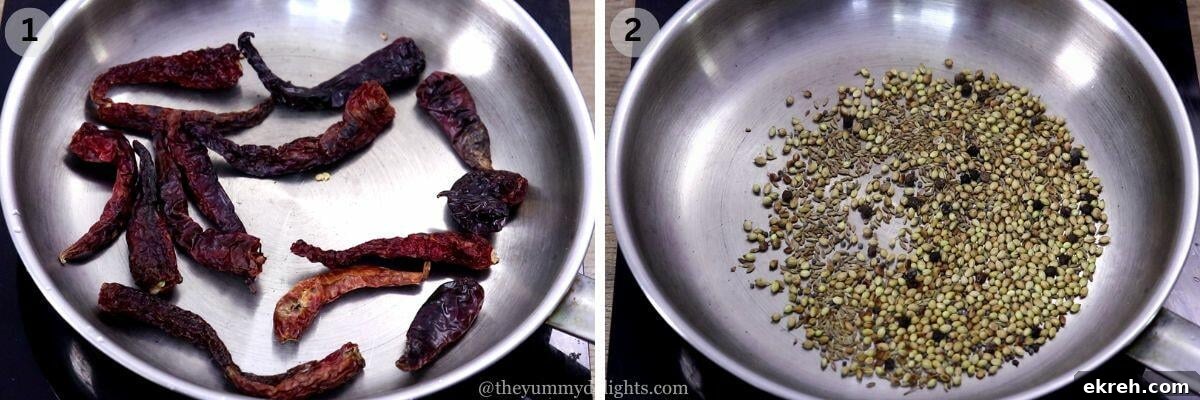
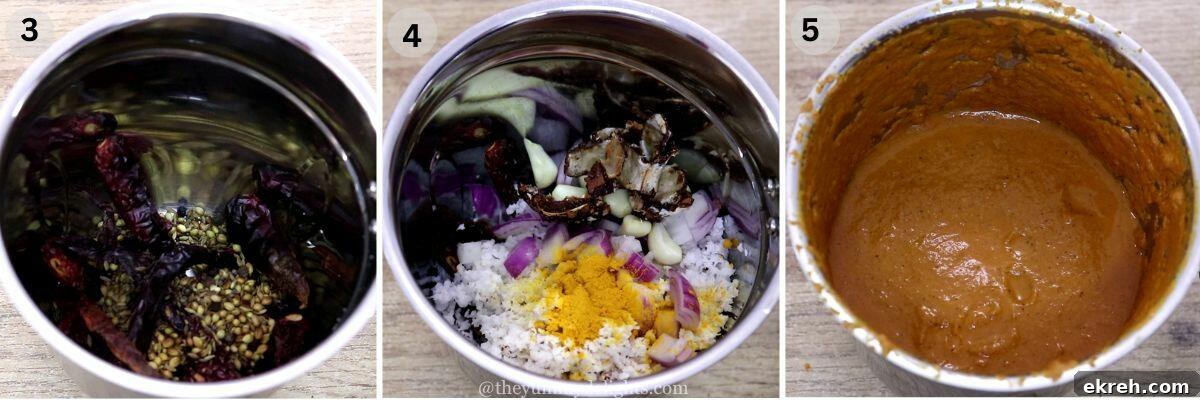
2) Dry roast the dried red chilies over medium-low heat until aromatic and slightly crisp. Transfer to a grinder.
3) In the same pan, dry roast coriander seeds, cumin seeds, fenugreek seeds, mustard seeds (optional) and black pepper until fragrant. Add to the grinder.
4) Grind the toasted spices with scraped coconut, chopped onion, garlic, turmeric and tamarind into a smooth paste, adding a little water as needed. Set the masala aside.
Finishing the sardine curry
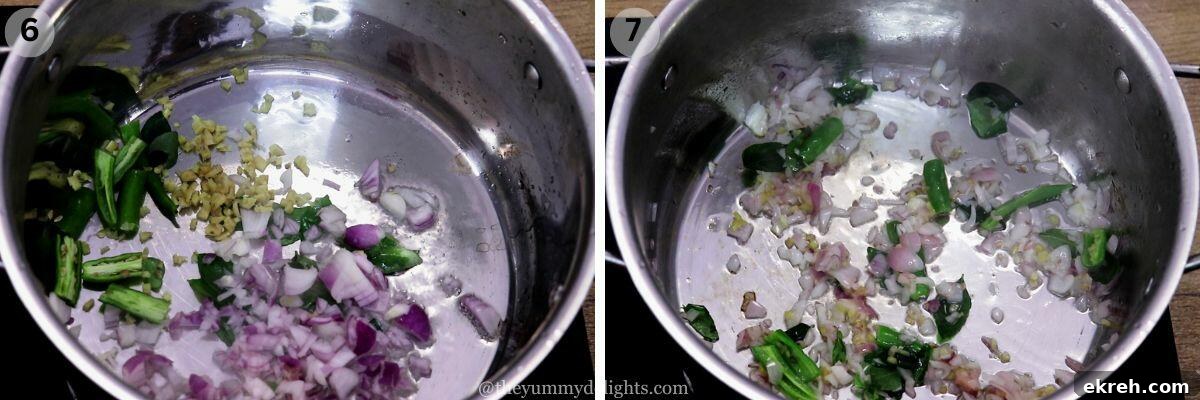
5) Heat 2 teaspoons oil in a heavy-bottomed pan over medium heat. Sauté chopped onion, curry leaves, ginger and slit green chili until the onion becomes translucent.
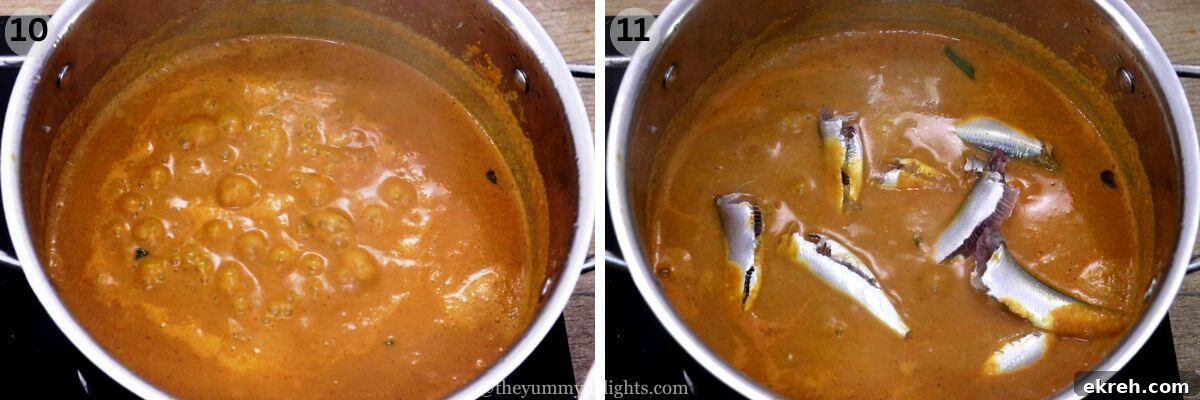
6) Add the ground masala and enough water to reach your desired curry consistency. Season with salt and bring to a gentle boil.

7) Carefully add the sardines to the simmering curry.
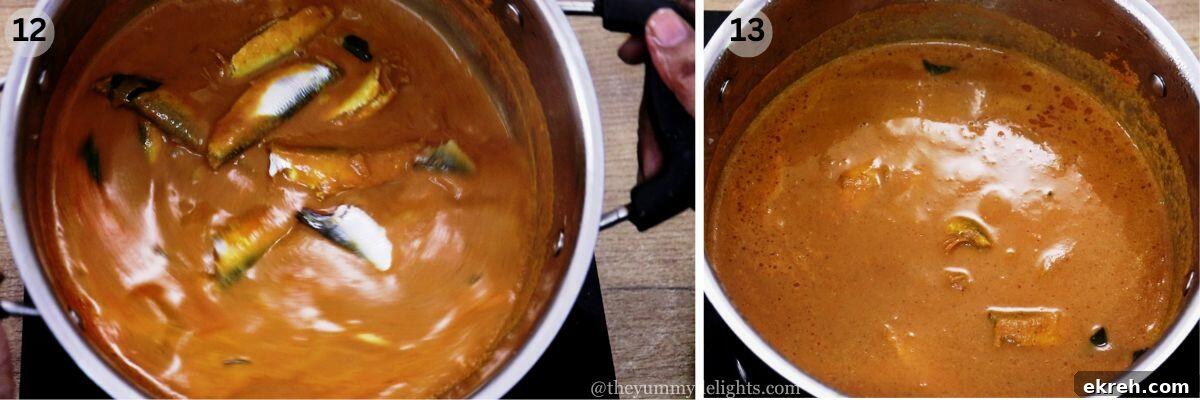
8) Instead of stirring with a spoon or ladle, gently hold the pot by its handles and swirl it in a circular motion to mix the curry without breaking the fish. Cook for 2–3 minutes or until the fish is just cooked. Remove from heat and serve immediately with steamed rice.
Tip: Avoid overcooking; sardines are delicate and will break apart if cooked too long.
Tips for the Best Sardine Curry
- Measure ingredients carefully—too much of any spice can overpower the curry.
- Cook the fish only until it flakes easily; overcooking dries the flesh and causes it to fall apart.
- If tamarind is not available, use fresh lemon or vinegar for acidity. Kokum can also be used for a traditional coastal tang.
- To keep the fish intact and the flavors blended, swirl the pot instead of stirring with a spoon after adding the sardines.
Frequently Asked Questions
Choose sardines with clear, bright eyes, red or pink gills, firm flesh and a mild briny smell. Avoid fish with dull eyes, dark gills or a strong fishy odor.
Yes. If using canned sardines, drain them or use the oil to sauté the base. Add canned sardines toward the end of cooking since they are already cooked, and stir gently to avoid breaking them.
Traditionally served with steamed rice, it also goes well with appam or soft dosas.
If you try this recipe, please leave a comment and rating below. We appreciate your feedback.
Follow the author on social platforms for more recipes and updates.
Recipe Card
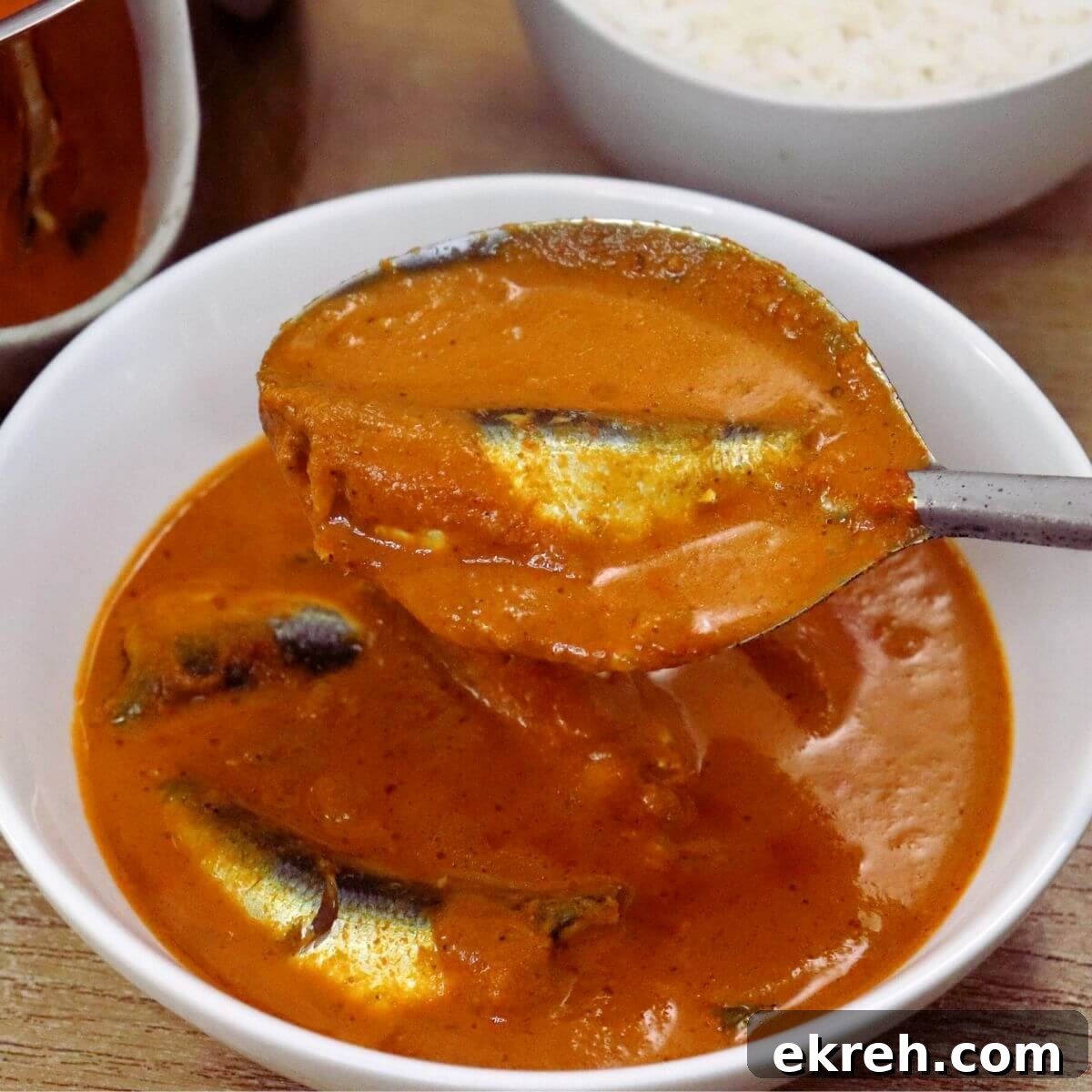
Sardine Curry (Buthai Meen Ghassi / Tarle Curry)
This Mangalorean sardine curry is made with a coconut-spice masala, tamarind tang and mild red chilies. Ready in 30 minutes, it makes a flavorful, economical main course.
Course: Main | Cuisine: Indian, South Indian
Prep Time: 10 minutes | Cook Time: 20 minutes | Total Time: 30 minutes
Servings: 6 | Calories: 298 kcal (approx.)
Author: Preeti Nayak
Equipment
- 1 heavy-bottomed pan
- 1 heavy-bottomed pot or deep pan for simmering
- Grinder or blender for the masala
Ingredients
- 500 g sardines (fresh or canned)
For the fish curry masala
- 10 dried red chilies (Byadagi or Kashmiri)
- 4 tsp coriander seeds
- 1 tsp cumin/jeera
- 1/4 tsp fenugreek seeds (methi)
- 1/4 tsp mustard seeds (optional)
- 1/2 tsp black peppercorns
- 1 cup grated/scraped coconut
- 1 onion, chopped
- 7 garlic cloves
- 1/4 tsp turmeric
- 1 small lemon-sized ball tamarind
For the curry
- 1 small onion, chopped
- 2 sprigs curry leaves
- 1 inch ginger, chopped
- 1 green chili, slit (optional)
- Salt to taste
- 2 tsp oil
Instructions
- Clean the sardines by removing scales, head and guts. Rinse and pat dry. If using canned sardines, open and drain as preferred.
- Dry roast the red chilies until aromatic. Transfer to a grinder.
- Dry roast coriander, cumin, fenugreek, mustard (optional) and pepper until fragrant. Add to the grinder.
- Grind toasted spices with coconut, chopped onion, garlic, turmeric and tamarind into a smooth paste, adding a little water as needed.
- Heat oil in a pan and sauté chopped onion, curry leaves, ginger and green chili until translucent.
- Add the ground masala and enough water to reach the desired consistency. Season with salt and bring to a boil.
- Gently add the sardines. Hold the pot by the handles and swirl in a circular motion to mix—do not stir with a spoon. Cook for 2–3 minutes until the fish is just cooked.
- Remove from heat and serve immediately with steamed rice.
Notes
- Measure spices carefully; an excess of any single spice can unbalance the curry.
- A pinch of carom seeds (ajwain) is sometimes added in traditional recipes, but it is optional and not essential for a delicious result.
- To prevent disintegration, cook sardines only until they flake easily. Thicker fillets may need slightly longer on low heat.
- If tamarind is unavailable, substitute with lemon or vinegar; kokum is another traditional acidic option.
- Swirling the pot rather than stirring with a spoon helps preserve the fish pieces and keeps the curry smooth and well-blended.
Nutrition (approx.)
Calories: 298 kcal | Carbohydrates: 10 g | Protein: 22 g | Fat: 19 g | Fiber: 4 g
Nutrition information is an approximation and will vary based on ingredients and portion sizes.