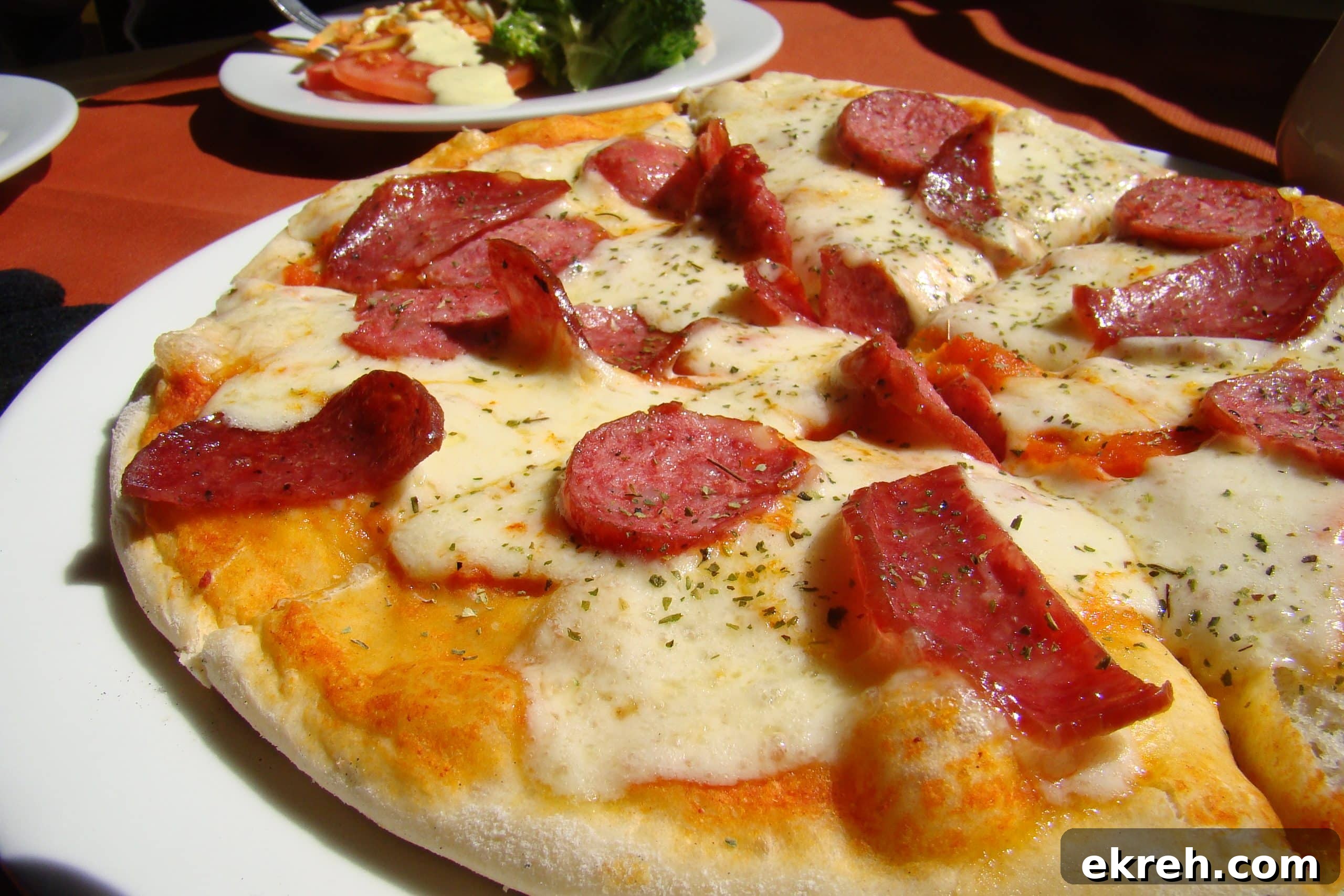
Making pizza at home is one of the simplest pleasures in the kitchen, and pepperoni remains one of the most popular toppings. A well-made homemade pepperoni pizza combines texture, spice, and buttery richness in a way that feels both comforting and gourmet. For cooks who enjoy hands-on preparation and bold flavors, mastering pepperoni—especially traditional or “old world” styles—can elevate a simple pie into a memorable meal. Below we explain the differences between old world and regular pepperoni, outline their histories and ingredients, describe how old world pepperoni is made, and offer practical tips for cooking with it.
But what exactly separates the varieties of pepperoni, and why does it matter for your pizza?
What is the difference between old world pepperoni and regular pepperoni?
Old world pepperoni and regular (modern) pepperoni differ mainly in production style, ingredients, and flavor profile. Old world pepperoni reflects traditional Italian sausage-making techniques: it typically contains a higher proportion of pork fat, is cured and dried, and is seasoned with a blend of garlic and aromatic herbs. The resulting product is richer, denser, and often darker in color.
Regular pepperoni, as commonly produced in the United States, is usually made from leaner cuts of pork and beef. It is often mixed with added water and salt, then smoked or cooked in a way that yields a lighter, more uniform texture and a milder flavor. Both work well on pizza, but if you want a more authentic, savory bite, old world pepperoni is the preferred choice.

History of old world pepperoni
Old world pepperoni has its roots in traditional Italian cured meats. Over generations, Italian butchers and home cooks developed methods to preserve pork using salt, drying, and subtle smoking. Those techniques produced robust, shelf-stable sausages that carried well and packed concentrated flavor. As immigrants brought these recipes abroad, regional variations emerged, but the common thread remained the same: a focus on natural ingredients, fat for flavor, and slow curing to develop depth.
Traditional recipes emphasized pork fat combined with leaner meat, along with garlic and fragrant herbs such as rosemary, sage, and thyme. That classic seasoning blend gives old world pepperoni its characteristic aroma and complex taste that stands up well to cheese and tomato.
Ingredients of old world pepperoni
The most notable difference between old world and regular pepperoni is fat content and curing technique. Old world pepperoni often contains a significantly higher percentage of pork fat, which contributes to its rich mouthfeel and ability to crisp nicely when cooked. It is commonly cured with salt and sometimes nitrites, then air-dried or gently smoked. Spices such as garlic, black pepper, and select herbs round out the flavor.
Modern production methods may use extrusion, added water, or rapid heating to speed manufacturing, which changes texture and sometimes reduces the depth of flavor. Choosing a pepperoni cured in a traditional manner will usually yield a better crust char and a more satisfying chew.
What is old world pepperoni made of?
Old world pepperoni is typically a coarse, well-seasoned sausage made from a mix of pork (often with substantial fat) and sometimes beef. The peppers referenced in some older descriptions are not bell peppers but the variety of chili or paprika used to season and color the sausage. The result is a firmer, more flavorful slice that can be served thin on its own or as a standout pizza topping.
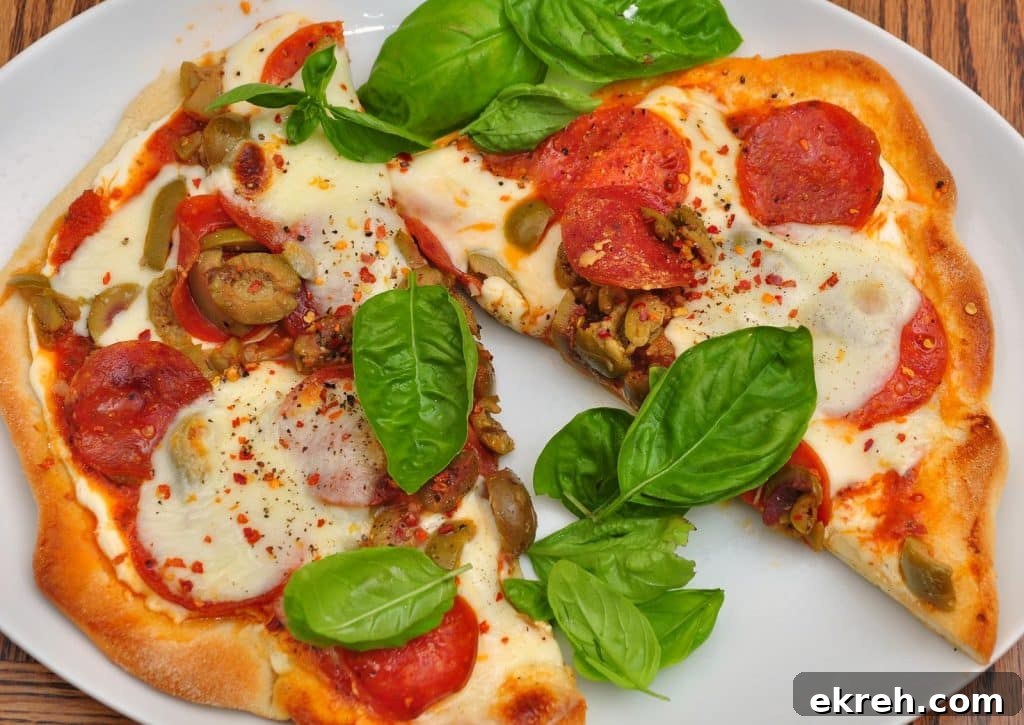
How is old world pepperoni made?
Traditional old world pepperoni is cured and dried rather than rapidly cooked. Meat and fat are chopped or ground, combined with salt, spices, and sometimes sugar and curing agents, then stuffed into natural casings. The links are left to cure and develop flavor over time through drying, with occasional gentle smoking for balance. This slower process produces a dense texture and concentrated flavors that differ from mass-produced varieties.
Benefits and drawbacks of old world pepperoni
Benefits: Old world pepperoni delivers a richer, more nuanced flavor and a pleasing bite when baked. Its higher fat content helps slices crisp at the edges while maintaining juiciness at the center, which many pizza lovers prefer. It also leans on traditional ingredients and techniques for a more authentic experience.
Drawbacks: Slow curing requires time, and some traditional products may be sold loose rather than conveniently packaged. Because it relies on natural curing methods, storage and handling are important to maintain quality. Prices can also be higher for traditionally made pepperoni compared with mass-produced alternatives.
How does old world pepperoni compare to other types?
Compared with modern pepperoni, old world slices are often thicker, slightly larger in diameter, and richer due to greater fat content. They may be spicier or more herb-forward depending on the recipe. Factory-made pepperoni is designed for consistency and ease of use; old world pepperoni emphasizes character and texture.
Common dishes featuring old world pepperoni
Old world pepperoni is ideal on classic pizzas—Neapolitan, pan, or deep-dish—where its flavor and fat help create crisp edges and bubbling cups of charred meat. It’s also excellent in calzones, stuffed breads, sandwiches, pasta bakes, and antipasto platters where its bold taste can shine alongside cheeses and pickled vegetables.
Where to find old world pepperoni
Look for artisanal delis, specialty grocery stores, and reputable charcuterie makers if you want old world-style pepperoni. Many producers label products as “cured” or “traditional” to distinguish them from more processed varieties. If you have access to specialty meat counters, ask about origin and curing method to ensure you get the texture and flavor you want.
Tips for cooking with old world pepperoni
When using old world pepperoni on pizza, place slices directly on top of cheese so the fat renders and crisps. Bake at a high temperature to encourage the characteristic curling and caramelization without drying the meat completely. For sandwiches or pastas, lightly pan-fry slices first to release flavor and add texture. Because old world pepperoni packs more fat and salt, balance it with fresh herbs, a squeeze of lemon, or a lighter cheese if you prefer a less rich dish.
Homemade Pepperoni Pizza Rolls Recipe

Here’s a simple, reliable recipe to showcase pepperoni’s flavor in a handheld form.
Ingredients
- 1/4 cup flour (for dusting)
- 2 pizza dough discs (about 13.8 ounces each)
- 2 tablespoons olive oil
- 1 teaspoon garlic powder
- 1/2 teaspoon salt
- 1 teaspoon Italian seasoning
- 1 cup Parmesan cheese
- 2 cups shredded mozzarella
- 1 cup pepperoni, thinly sliced
- 1 cup marinara or pizza sauce, warm for serving
Instructions
- Preheat oven to 425°F (220°C). Line a large baking sheet with parchment paper.
- On a floured surface, roll one dough disc into a rectangle. Brush with 1 tablespoon oil and sprinkle with Italian seasoning, salt, and garlic powder.
- Top with 1 cup mozzarella and 1/2 cup Parmesan, then distribute half the pepperoni evenly.
- Roll tightly from the short side into a log, pinch to seal, and slice into 12 even pieces. Repeat with remaining dough and fillings.
- Place rolls 1½–2 inches apart on the baking sheet. Bake 11–13 minutes until golden and the cheese is melted. Let cool five minutes, then serve with warm marinara.
Related Posts
Cheesecake Factory Steak Diane Recipe
22 Simple Chicken Sausage Recipes
Easy Microwave Couscous