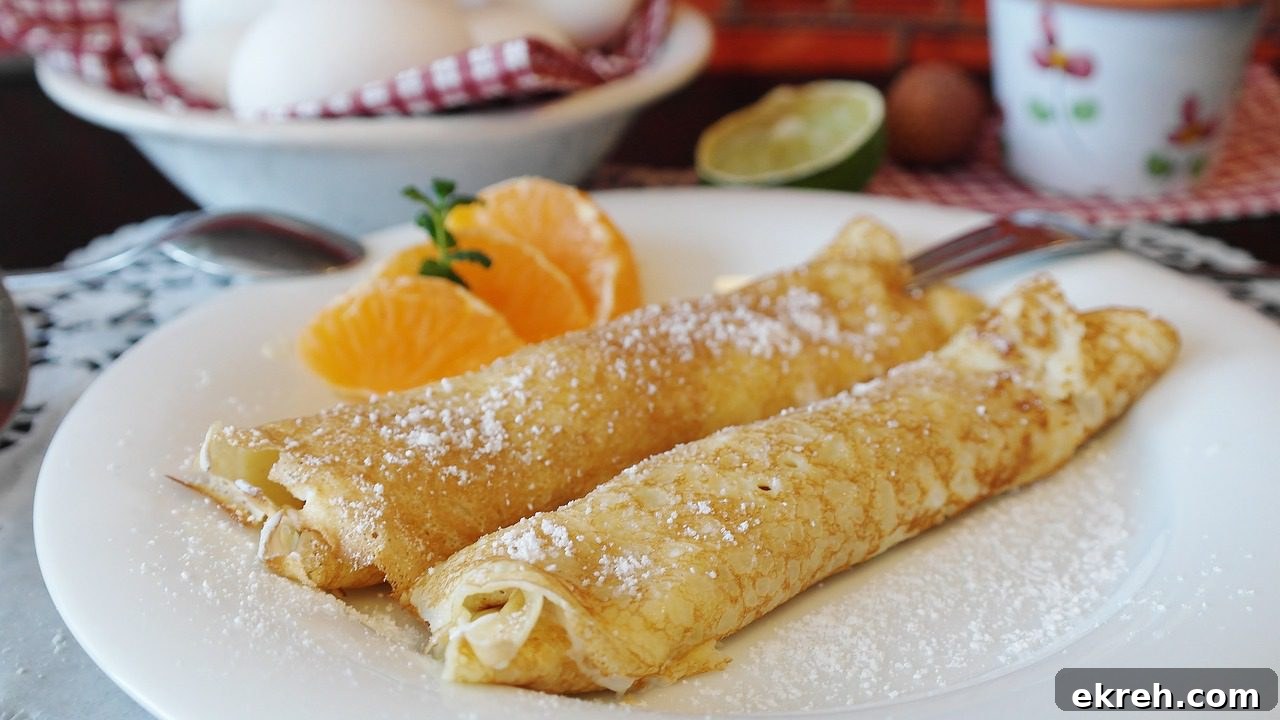
German pancakes are a beloved comfort food, and this gluten-free version keeps the classic thin, tender texture while making the recipe accessible for those avoiding gluten. The batter is simple and adaptable: you can add cocoa powder for a chocolate twist, fold in apple pieces for a fruity variation, or fill each pancake with jam, fresh fruit, or whipped cream. Dust with powdered sugar and a sprinkle of cinnamon for a traditional finish, or omit the sugar for a zesty, less sweet filling. For best results, use a premixed gluten-free flour blend so the batter holds together without becoming too sticky. Many cooks prefer a blend that contains a binder like xanthan gum; Bob’s Red Mill 1-to-1 Gluten Free Baking Flour is an example of a convenient all-purpose mix. Read on for ingredients, step-by-step instructions, and practical tips to make light, flexible German gluten-free pancakes every time.
Ingredients German Gluten Free Pancakes
(makes 4 pancakes)
2 large eggs
100 g (about 3/4 cup) gluten-free all-purpose flour (preferably a 1:1 baking blend)
100 ml (about 1/3 cup + 1 tbsp) milk — dairy or plant-based
50 ml (about 3 tbsp) cold water, more if needed
50 g (about 1/4 cup) granulated sugar (optional; reduce or omit for savory or tart fillings)
1 pinch of salt
1 tablespoon sunflower oil (or neutral oil) plus extra for the pan
Butter for frying (or oil for a dairy-free option)
Cooking Instructions German Gluten Free Pancakes
1. Prepare the dry and wet ingredients. Sift the gluten-free flour into a bowl to break up any lumps. In a separate bowl, lightly beat the eggs with the sugar and salt until combined.
2. Combine into a smooth batter. Gradually add the sifted flour to the eggs, stirring until mostly incorporated. Pour in the milk, oil, and cold water and whisk until the batter is smooth and lump-free. The batter should be pourable but not overly runny; adjust the water or milk to achieve a thin but cohesive consistency.
3. Rest the batter. Let the batter sit for 20–30 minutes at room temperature. This resting period helps hydrate the gluten-free flours and yields a more consistent texture.
4. Heat the pan. Warm a non-stick skillet or crepe pan over medium heat. Add a small knob of butter or a little oil and swirl to coat the surface. A properly heated pan ensures even browning without sticking.
5. Cook the pancakes. Pour about one-quarter of the batter into the pan and quickly tilt and swirl to spread it into a thin, round pancake. Cook for 1–2 minutes until the edges lift slightly and the bottom is golden. Flip carefully and cook the other side for 30–60 seconds until lightly browned. Transfer finished pancakes to a warm plate and keep them covered in a low oven (around 80–90°C / 175–195°F) while you finish the rest.
6. Serve. Stack the pancakes and serve warm with your choice of fillings and toppings: jam, fresh berries, sliced apples, lemon and sugar, cocoa-dusted whipped cream, or a dusting of powdered sugar and cinnamon.
Tip:
- For lighter, fluffier pancakes: separate the eggs. Beat the egg whites to soft peaks, then fold them gently into the batter at the end. This adds airiness without changing the characteristic thin shape of German pancakes.
- Apple variation: add small, thin apple pieces or grated apple directly to the batter before frying for warm fruit pockets in each pancake.
- Chocolate version: whisk 1–2 tablespoons of unsweetened cocoa powder into the dry ingredients for a chocolate pancake; adjust sugar to taste.
Storage and reheating: Keep leftover pancakes in an airtight container in the refrigerator for up to 2 days. Reheat gently in a skillet over low heat or briefly in a microwave until warmed through. If the batter seems thicker after resting, whisk in a splash of milk before cooking to restore the right pouring consistency.
Notes on ingredients: Using a premixed gluten-free flour blend simplifies the recipe and helps deliver consistent results. If your blend does not contain a binder, you can add a small amount (about 1/4 teaspoon) of xanthan gum to improve texture and elasticity. Choose milk and butter alternatives as needed to accommodate dairy-free diets.
With a few small adjustments and simple adaptations, these German gluten-free pancakes offer the same versatile, delicate appeal as the traditional version. Enjoy experimenting with fillings and toppings to match your taste.