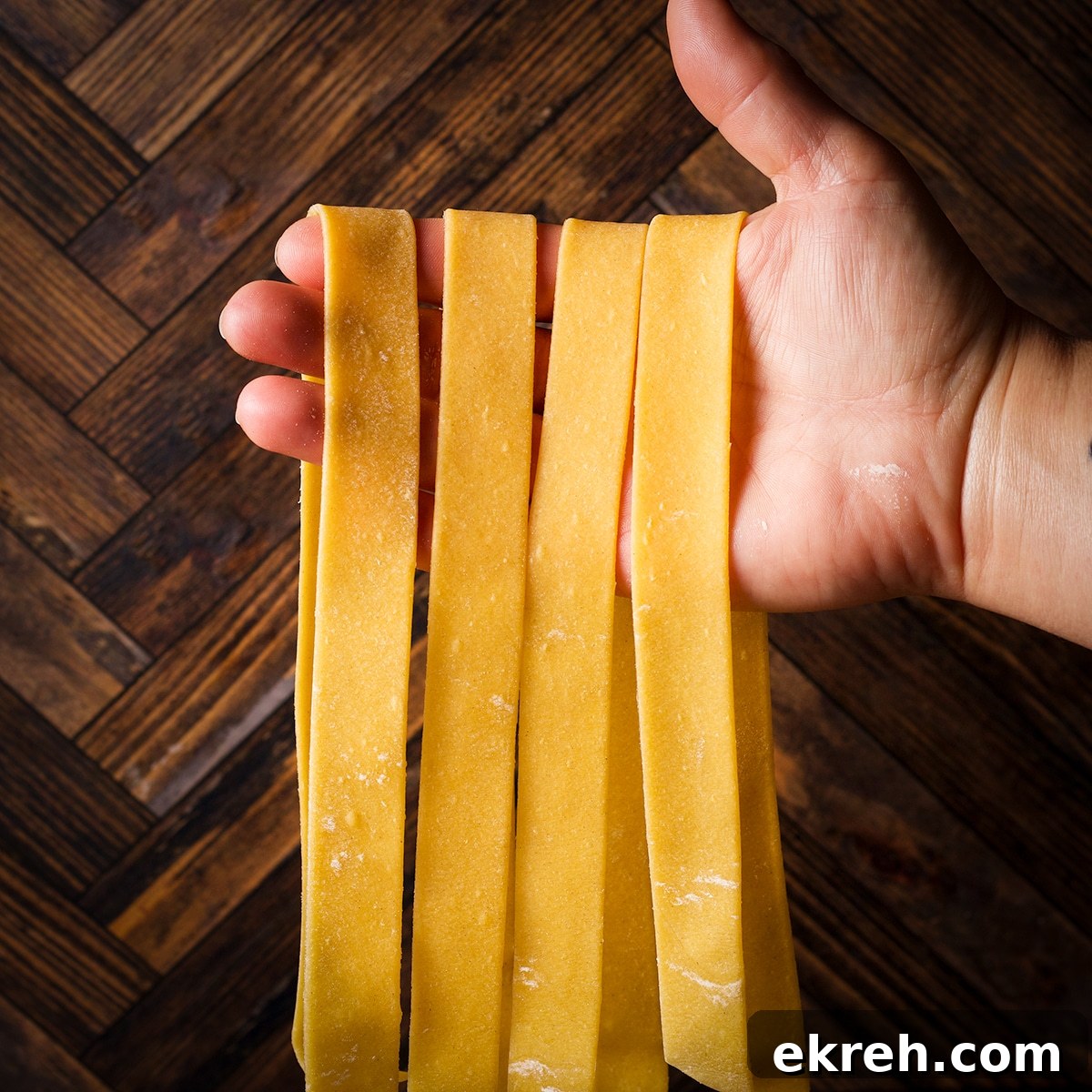
Like all fresh pasta, homemade pappardelle noodles are far superior to the packaged flour-and-water varieties found in most supermarkets. This recipe uses a dough rich in egg yolks for deeply yellow noodles with a silky texture and higher protein content, giving the final pasta an unbeatable flavor and mouthfeel.
Pappardelle are wide, flat noodles similar to fettuccine but much broader. Traditional widths run 2–3 centimeters (about ½–¾ inch), though some people prefer them even wider. Their broad surface and sturdy chew make pappardelle ideal for thick, hearty sauces and ragùs.
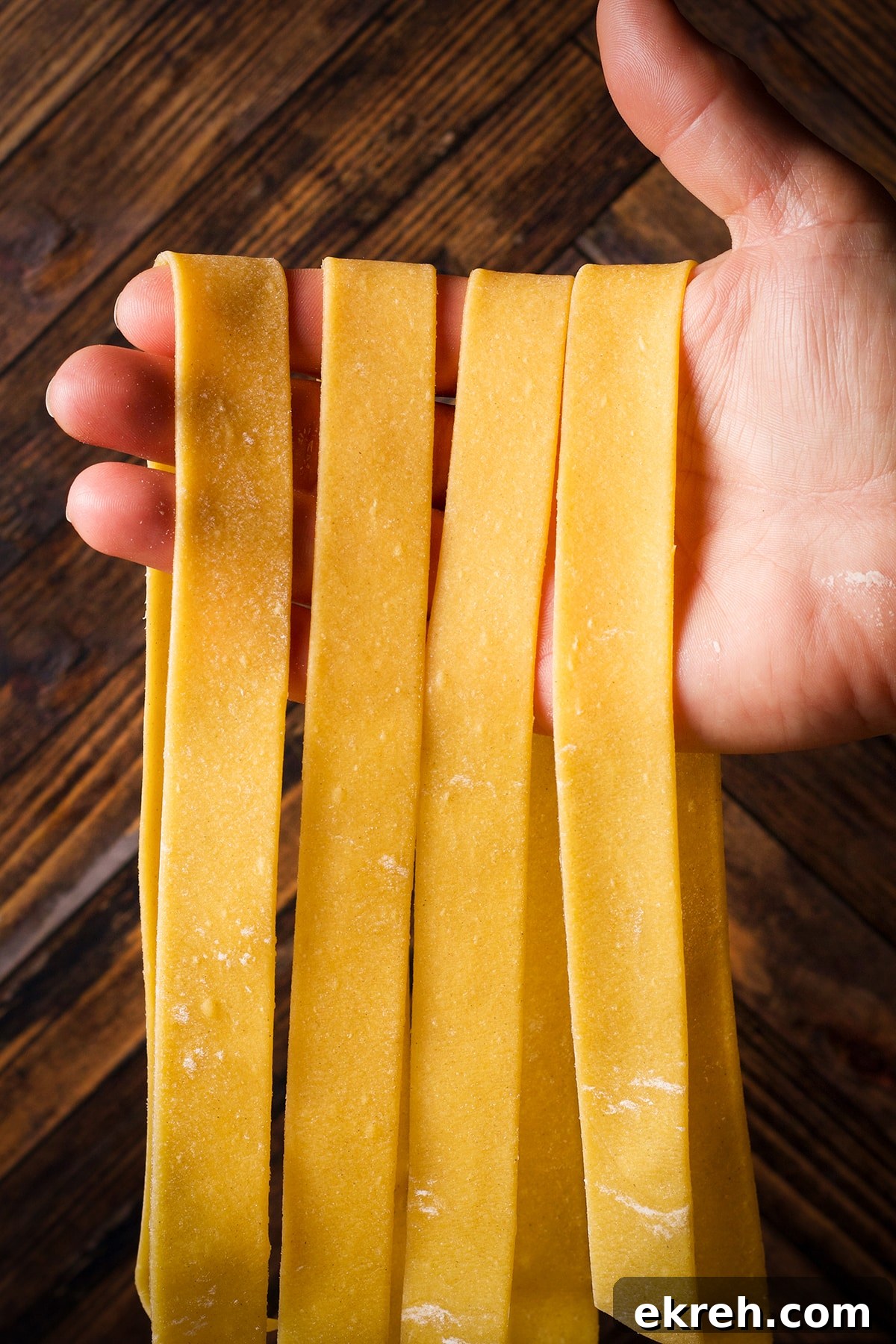
If you’ve never made fresh pasta before, you’re in for a treat. Homemade pasta delivers superior flavor and texture and is easier to make than many people expect. The process benefits from planning ahead so you can break it into short, manageable steps:
- Make the dough, wrap it tightly, and chill it in the refrigerator overnight or for up to five days. Mixing the dough takes about 10–15 minutes.
- Roll the dough and cut it into noodles. Allow the cut noodles to rest and dry for at least an hour before cooking; if fully dried, they can be stored for weeks.
- Cook the noodles in generously salted boiling water until al dente—fresh pappardelle cooks quickly, in just a few minutes.
Ingredients for Homemade Pasta Dough
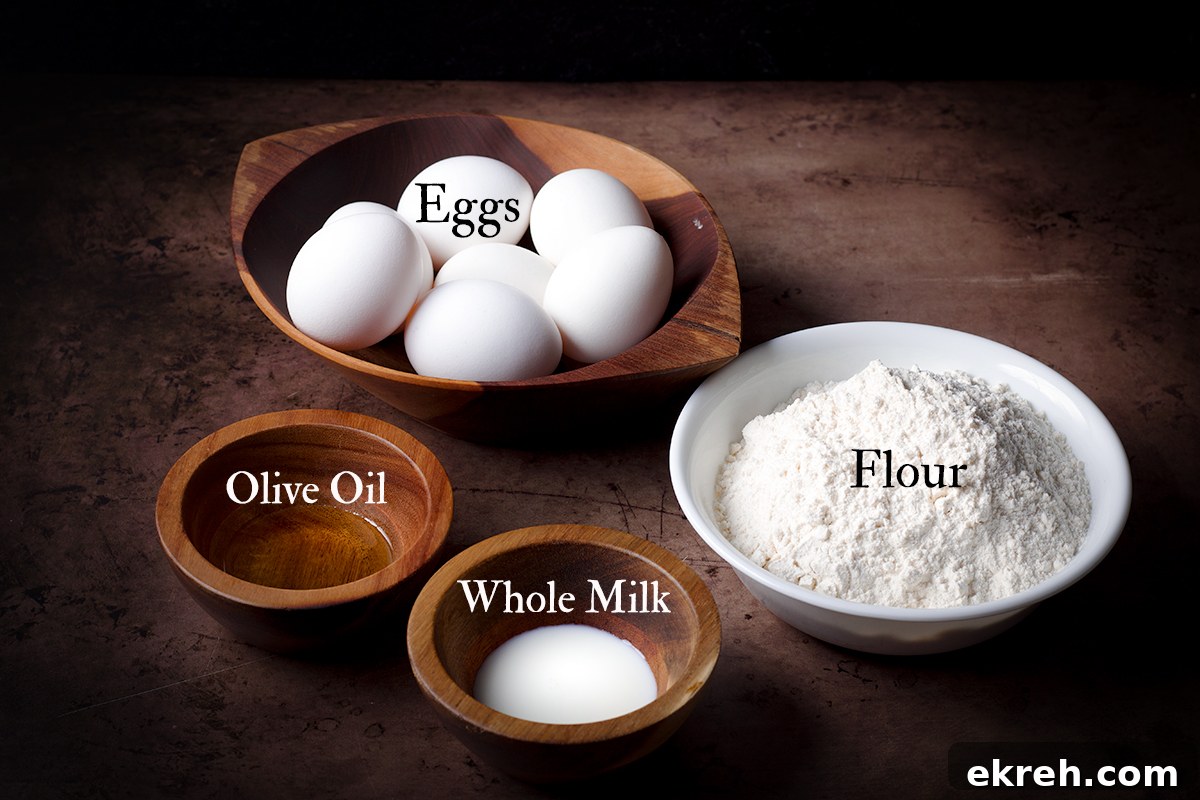
- Eggs: This recipe is yolk-forward: 1 whole egg plus 6 yolks. Yolks add flavor, richness, and a tender, elastic texture.
- Flour: A mix of unbleached all-purpose flour and semolina is ideal for pappardelle. “00” flour or bread flour are also good alternatives depending on the texture you want.
- Extra-virgin olive oil: A small amount (about 1 tablespoon) helps make the dough smoother and easier to roll; don’t overdo it.
- Whole milk: A tablespoon of milk increases hydration and enriches the dough slightly. If you don’t have milk, water will work.
What kind of flour is best for pappardelle?
For sturdy, wide noodles I prefer a blend of all-purpose and semolina flours. Semolina lends a pleasant bite and helps the noodles hold up to meaty sauces, while all-purpose or “00” flour improves rollability and creates a smoother sheet.
Flour options at a glance:
“00” flour is finely milled and works exceptionally well for thin, silky pasta. It allows you to roll very thin sheets without tearing.
All-purpose flour is versatile and widely available; it produces excellent fresh pasta for most home cooks.
Semolina flour is coarser and absorbs more liquid; it adds structure and a slightly grainy bite that complements wide noodles and hearty sauces.
Bread flour has a higher protein content and creates an elastic, durable dough—useful if you want a chewier texture or if your sauce is particularly heavy.
Step-by-step photos and instructions
Plan ahead: Fresh pasta dough needs time to rest, so mix it several hours before rolling. I usually make the dough the night before and roll it the next day.
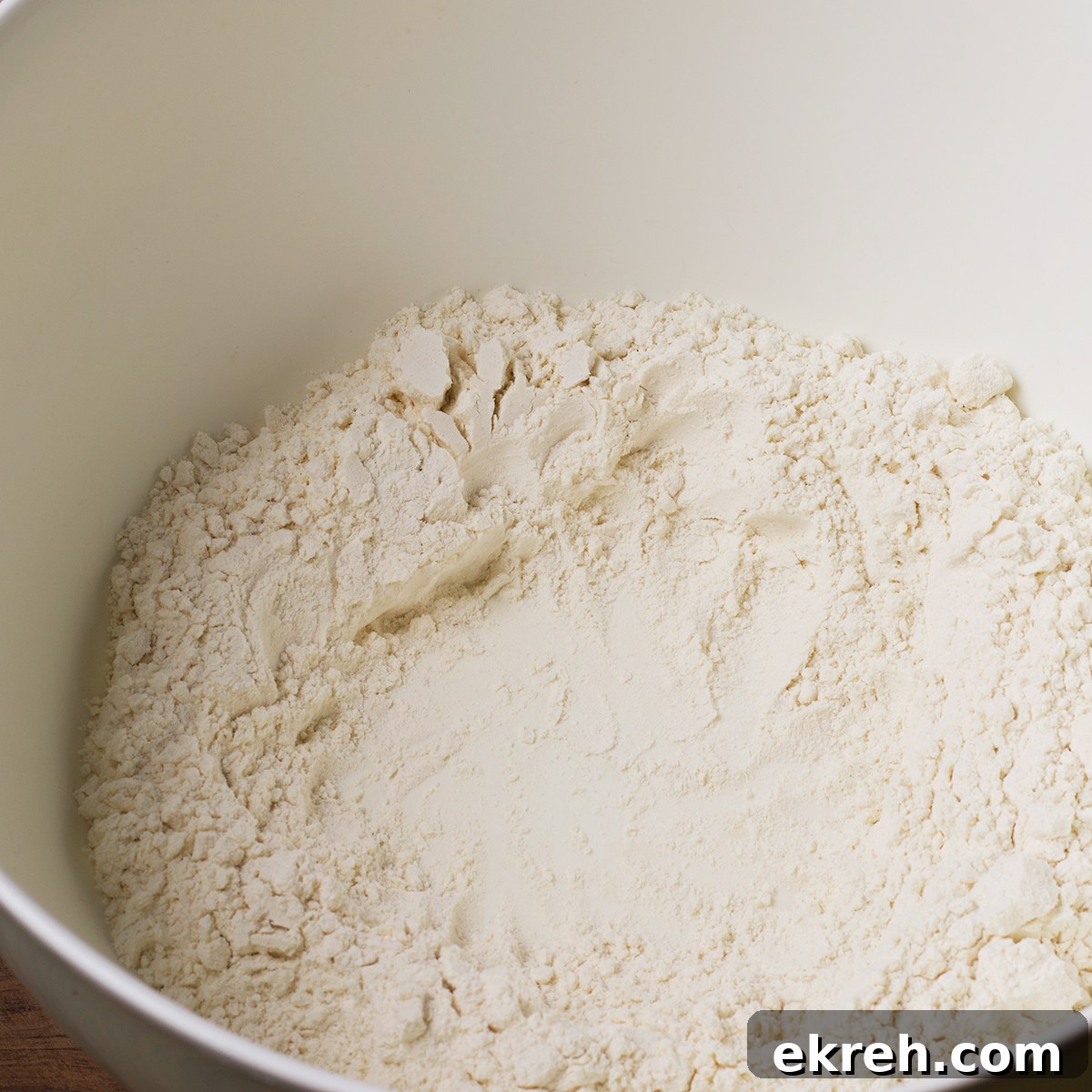
Pour the flour onto your work surface or into a large bowl and form a large well in the center to hold the eggs.
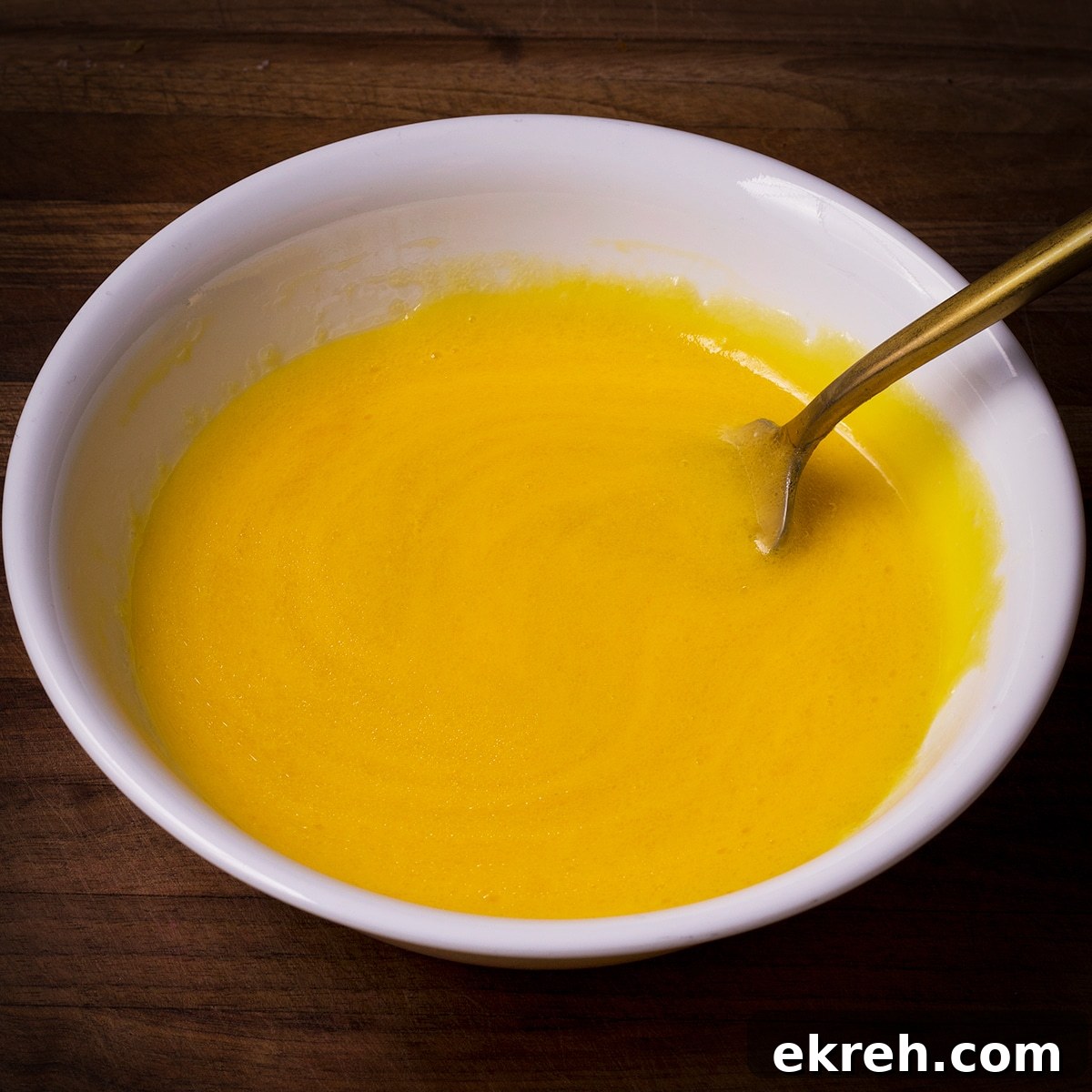
Whisk the whole egg and yolks together briefly, then pour them into the flour well with the milk and olive oil.
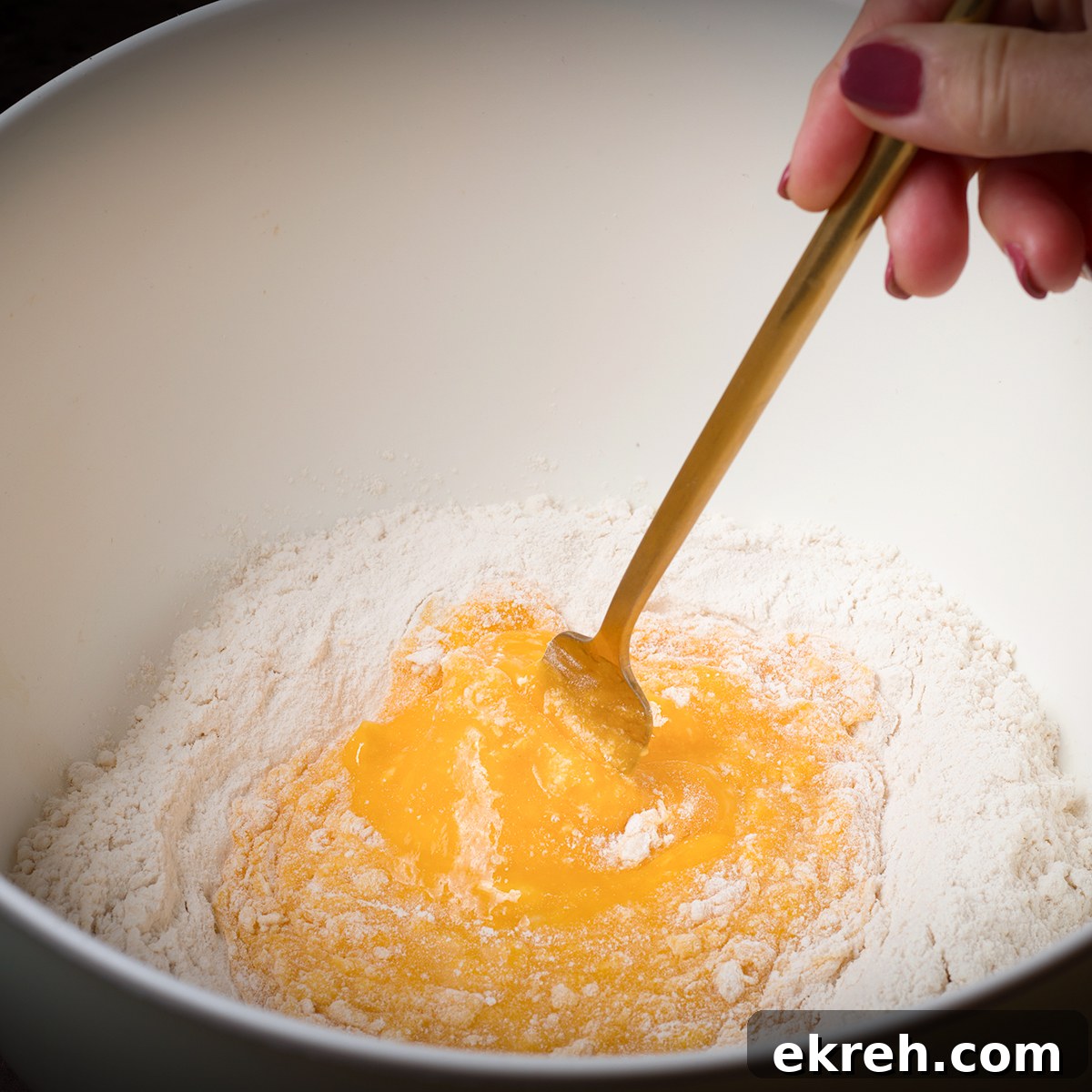
Use a fork to draw flour into the eggs gradually. Continue until the mixture forms a shaggy dough.
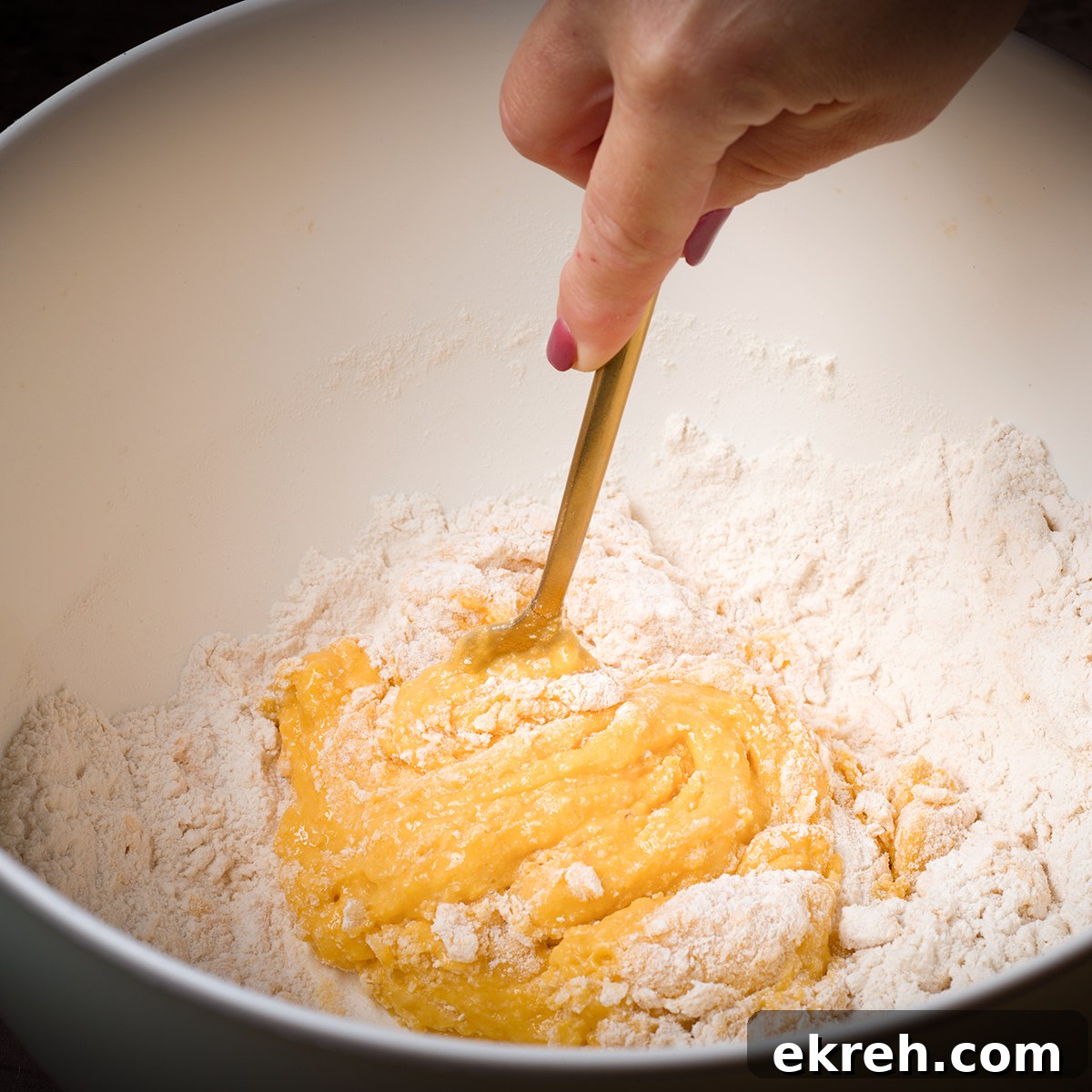
When the dough becomes too stiff to stir, turn it out onto the work surface and begin kneading.
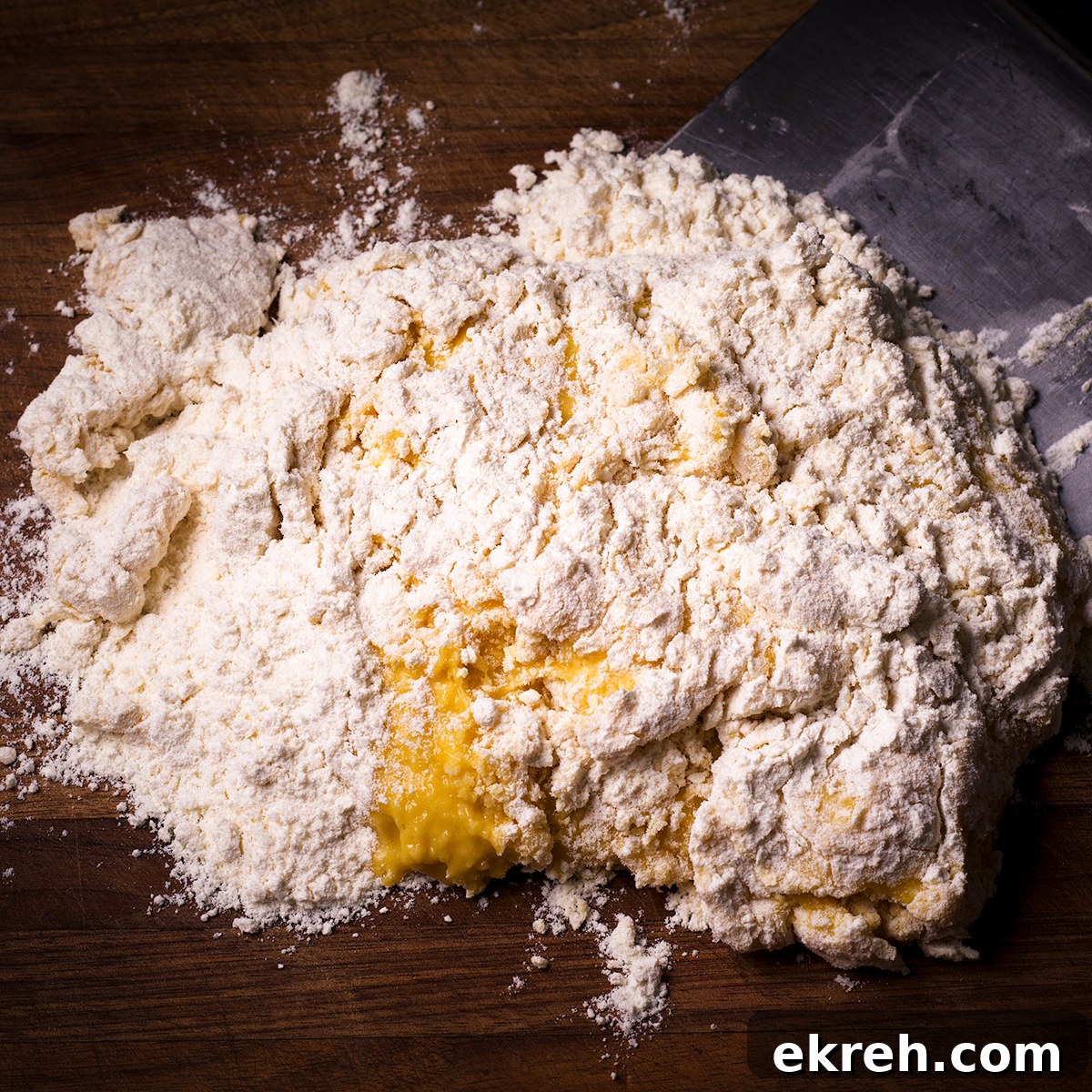
Knead the dough for at least 10 minutes until it is smooth, elastic, and no longer sticky. The dough should feel firm but not dry or cracked.
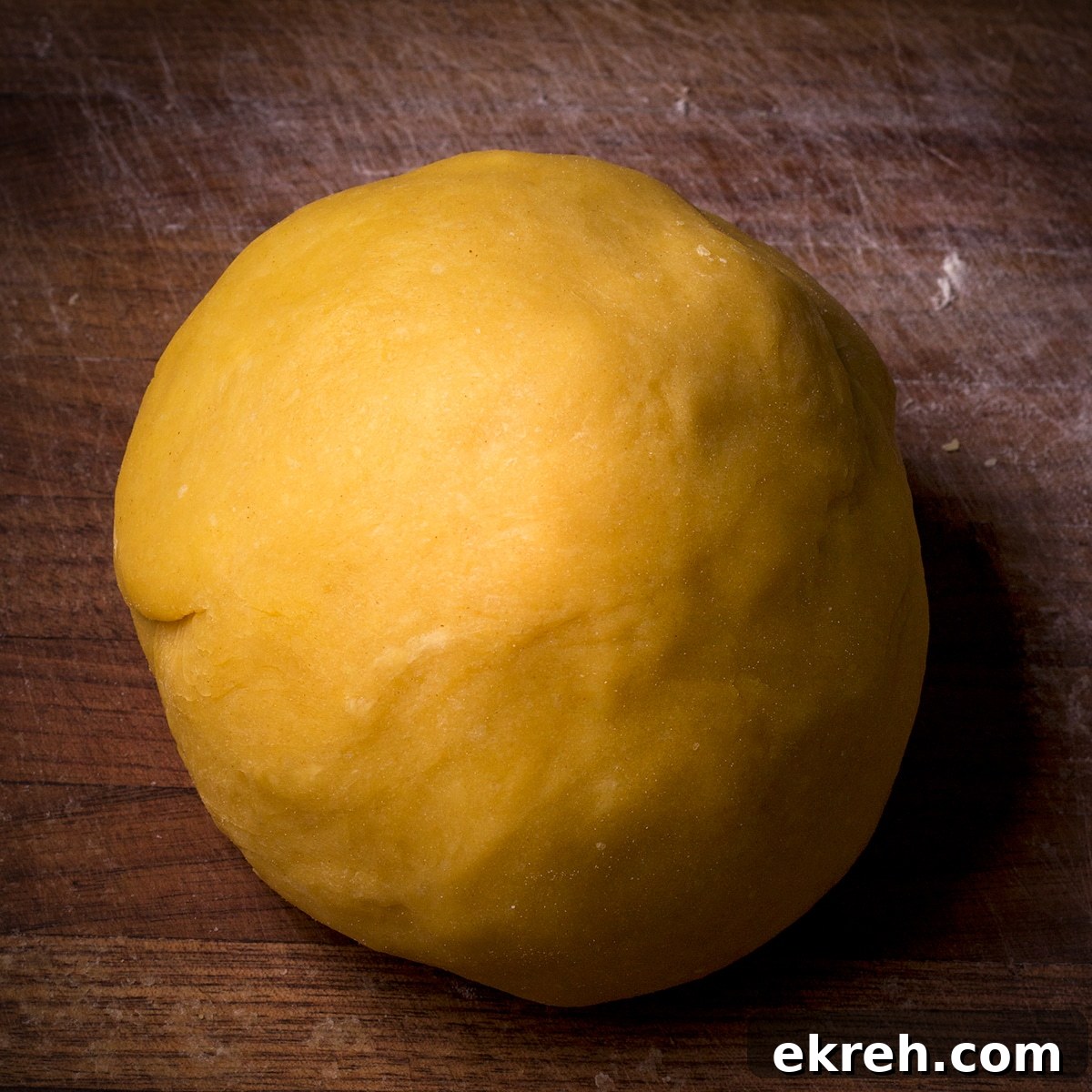
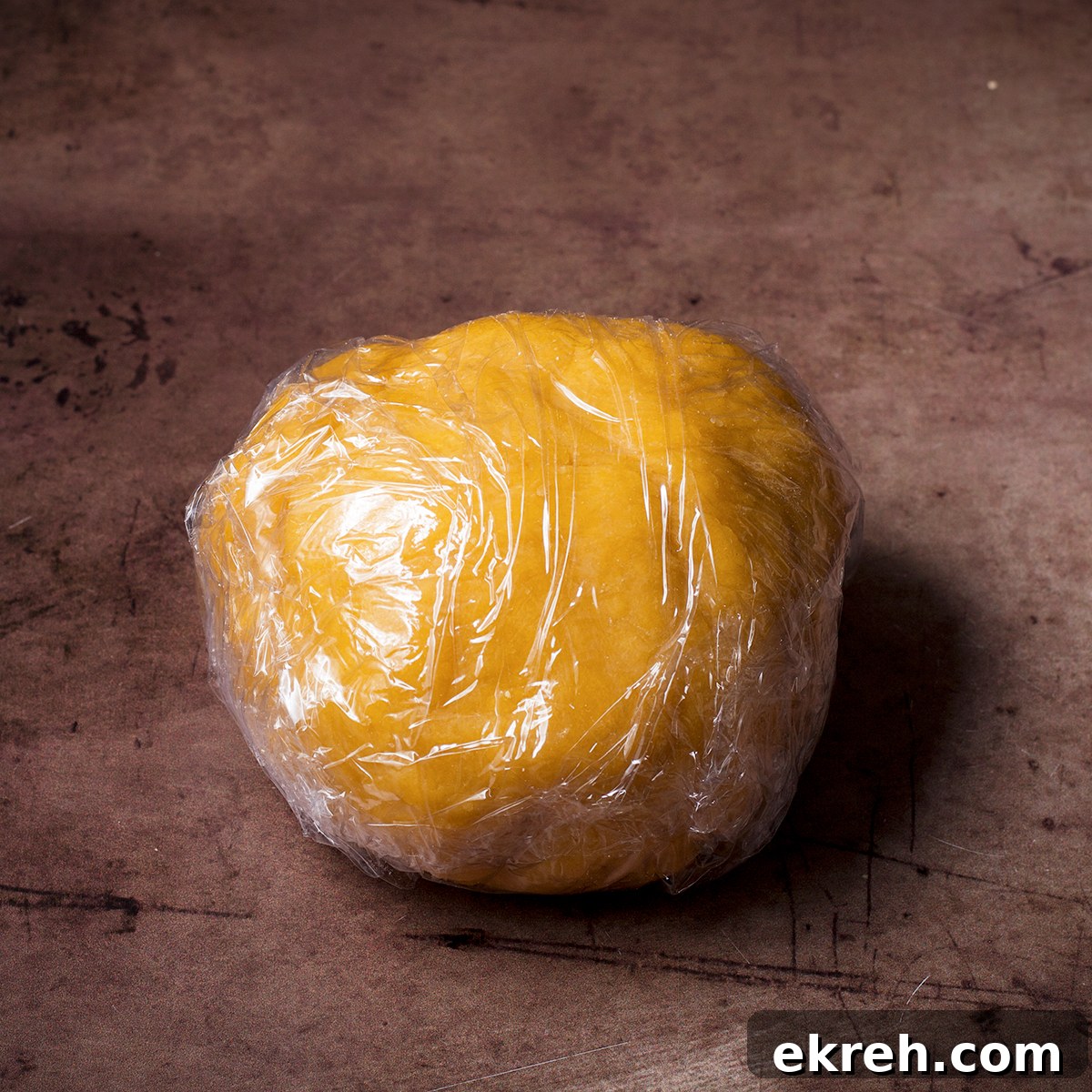
Wrap the dough tightly in plastic and chill for at least 5 hours, or up to a week. Resting relaxes the gluten and improves rollability.
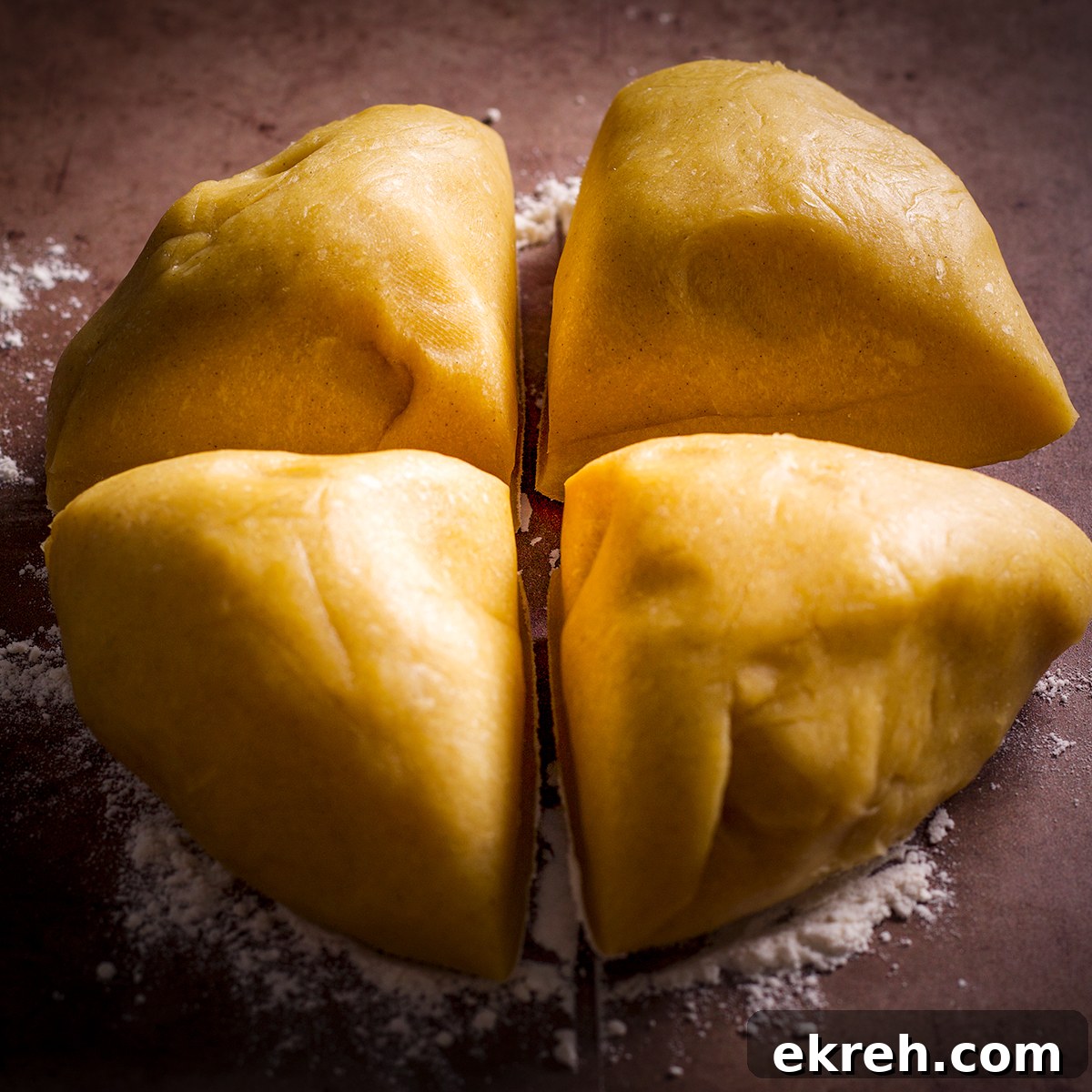
When ready to roll, divide the dough into four portions and work with one piece at a time, keeping the others covered so they don’t dry out.
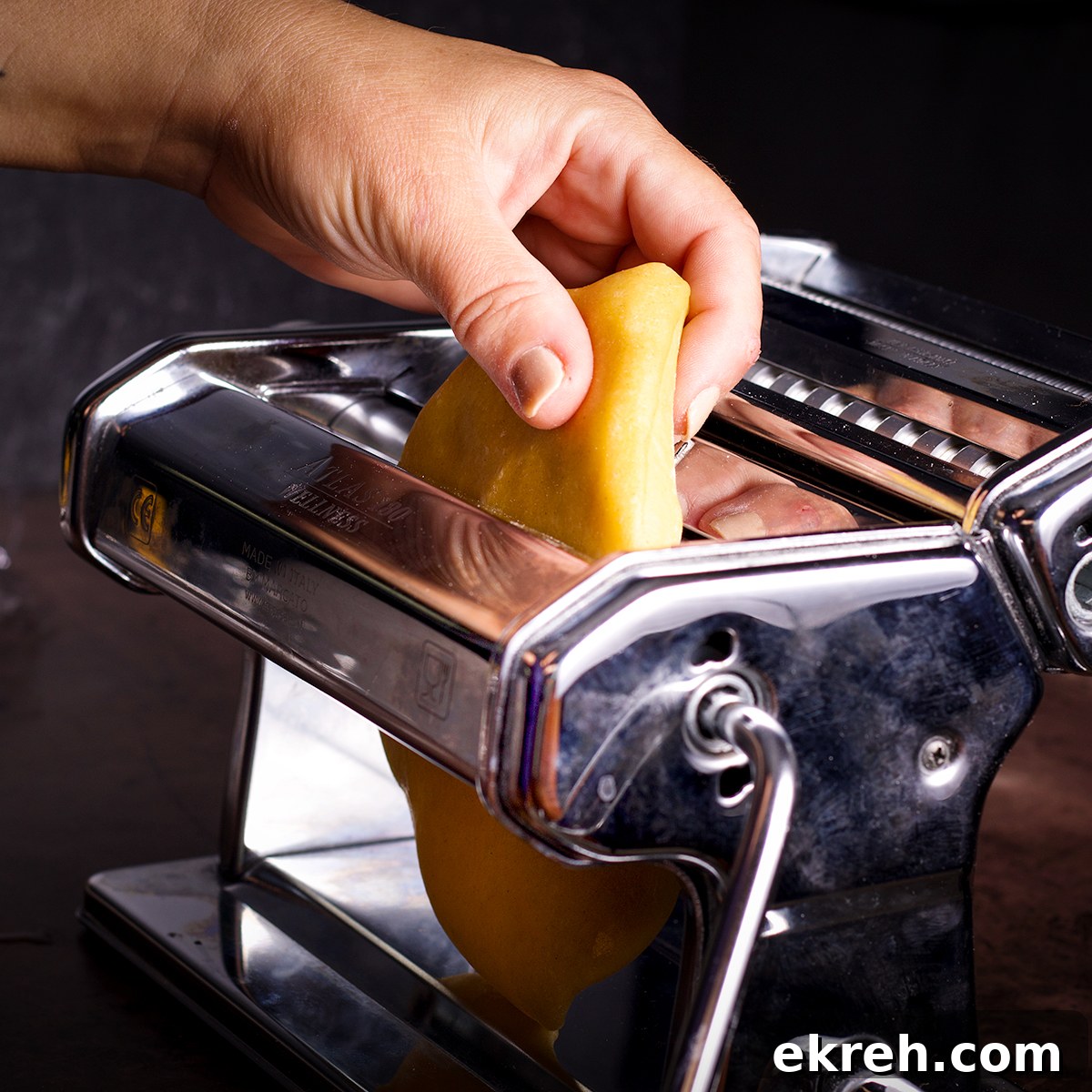
Feed the dough through a pasta machine on its widest setting, folding and passing it multiple times to develop a smooth sheet. Dust with flour as needed to prevent sticking.
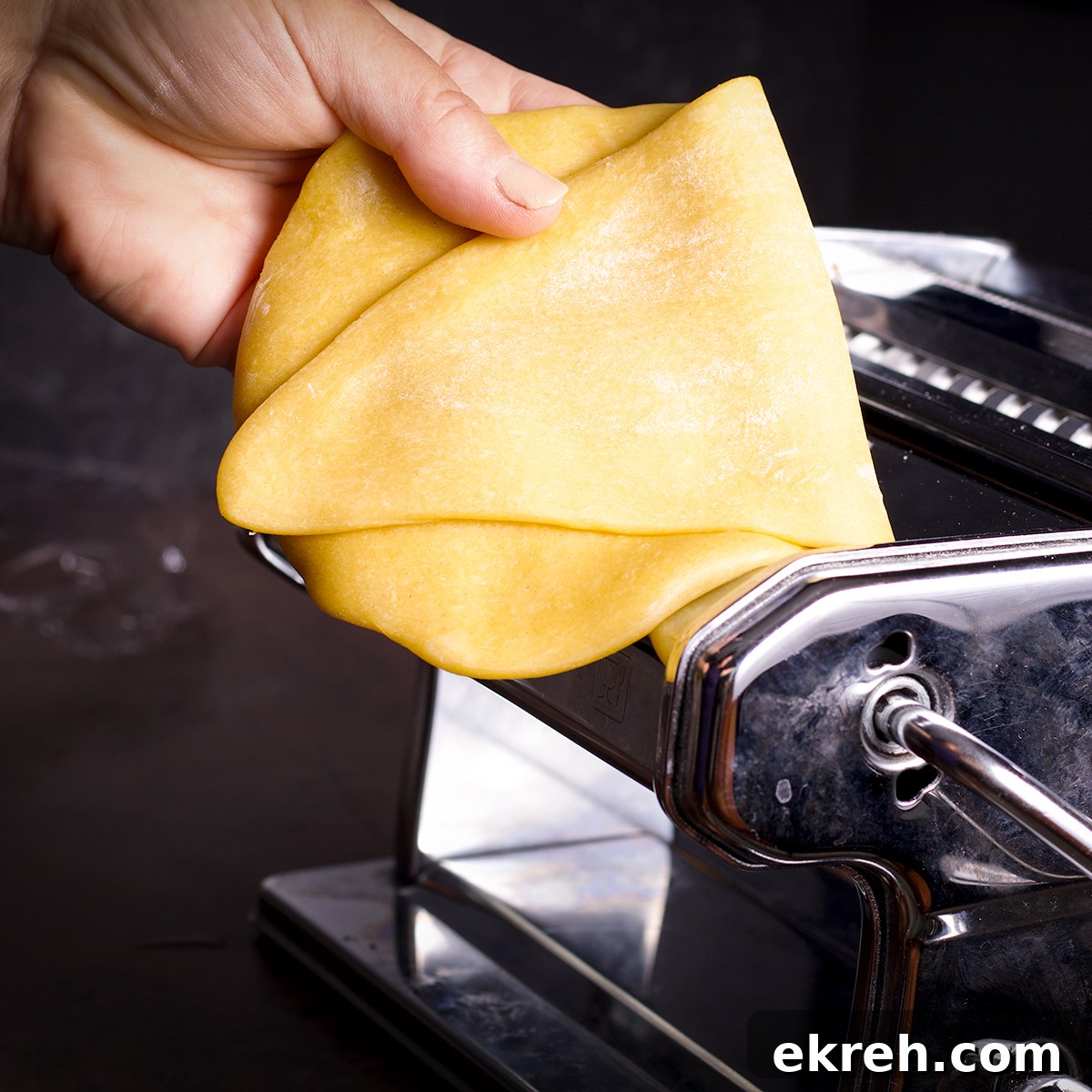
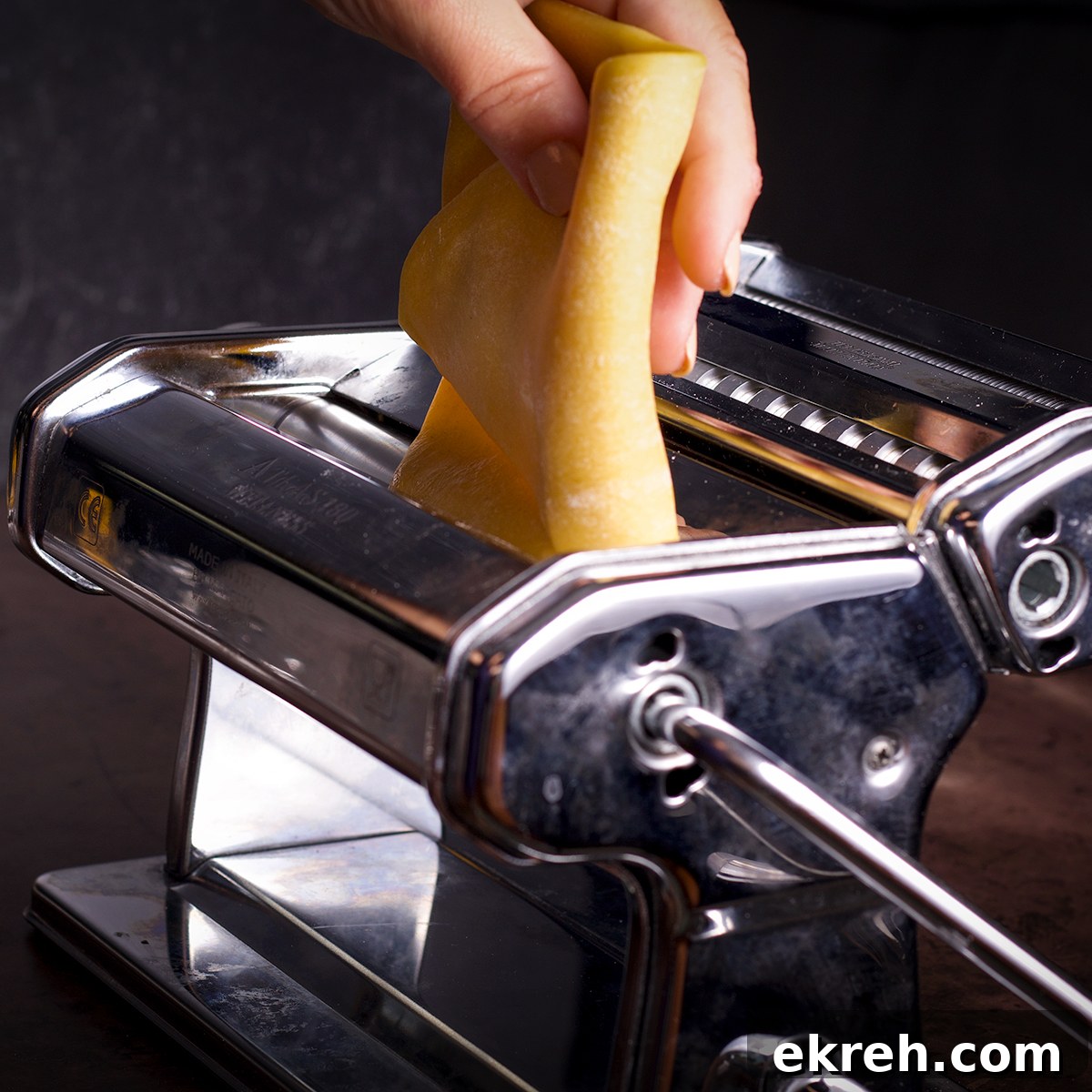
Gradually narrow the roller setting until the sheet reaches your preferred thickness—stop based on how thick you want the pappardelle. For wide noodles, a mid-setting is usually perfect.
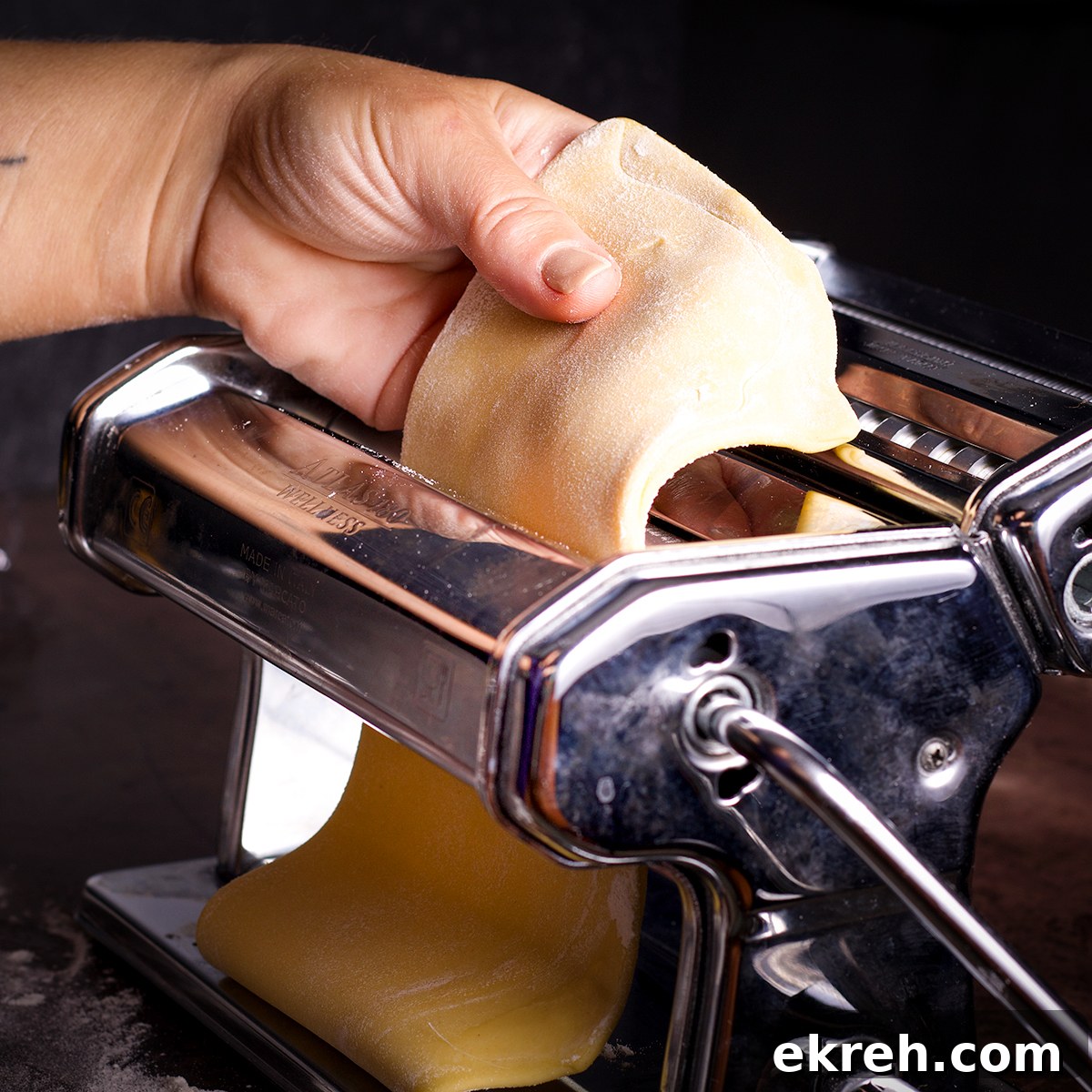
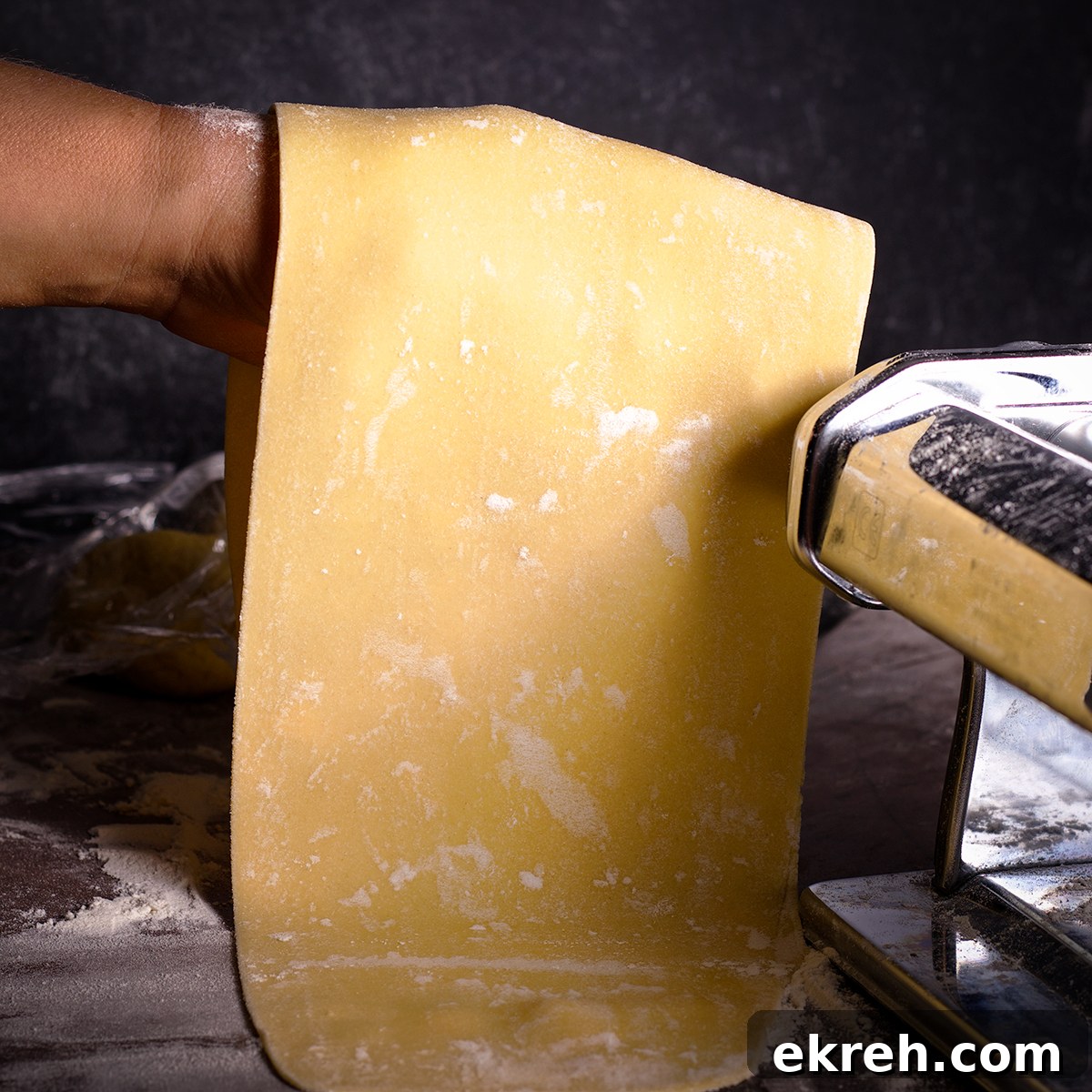
Lay the sheet flat and cut it into strips with a sharp knife or pizza cutter. Traditional pappardelle widths are around ¾–1 inch, but you can cut them wider or narrower as you prefer.
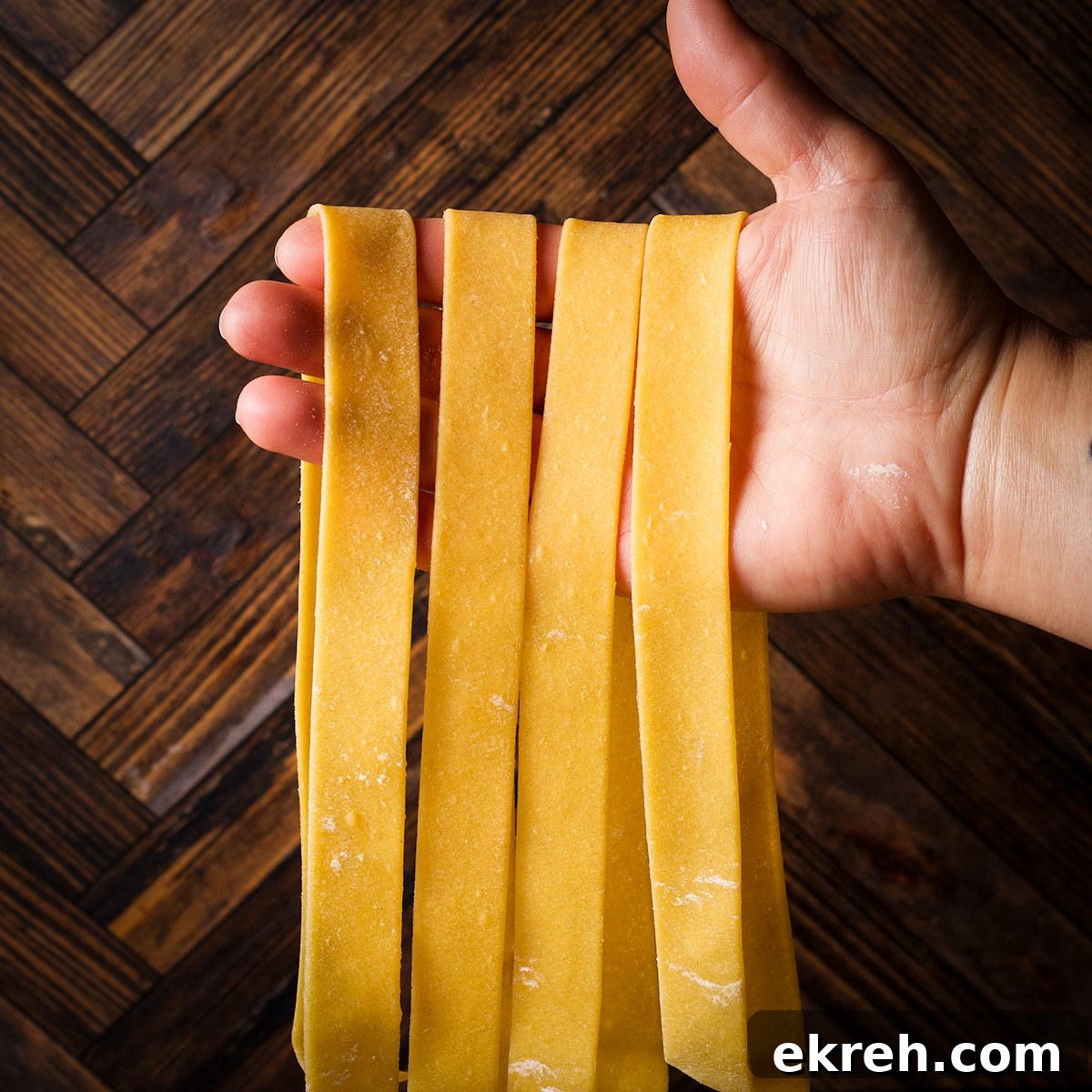
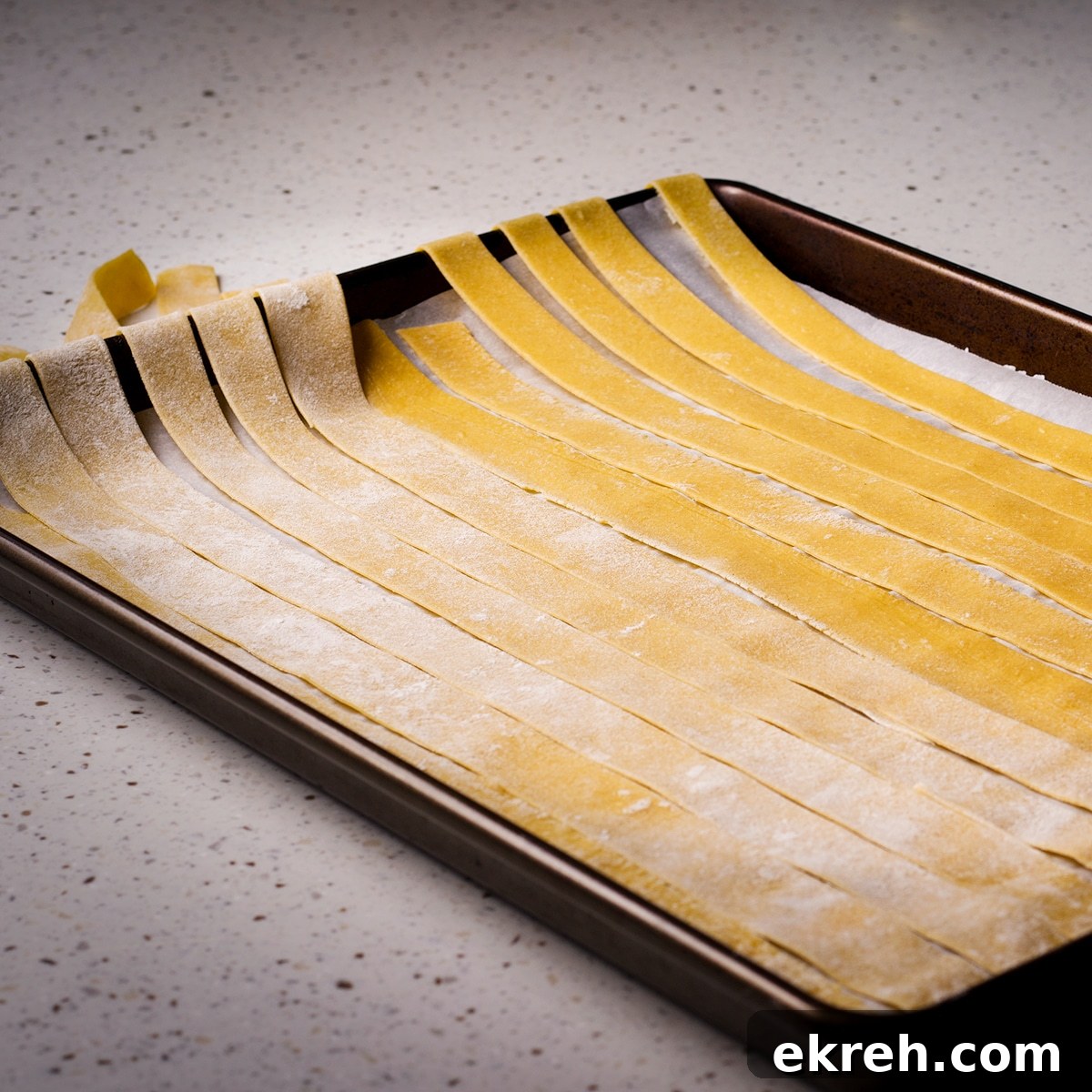
Arrange the cut noodles on a parchment-lined baking sheet dusted with flour, or hang them briefly on a drying rack. Let them rest for at least an hour before cooking.
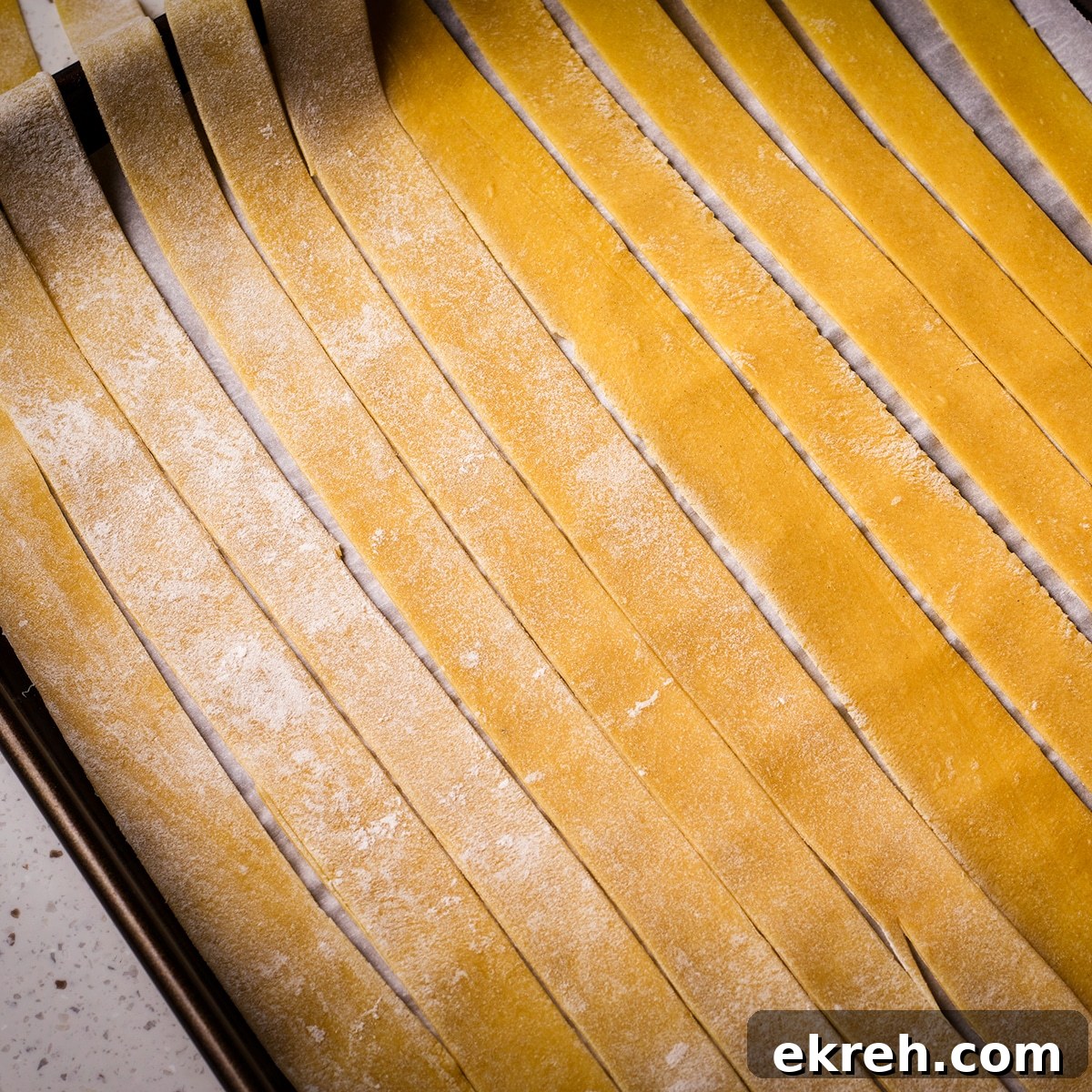
Partially drying the noodles helps them cook evenly and prevents a mushy texture. Fully dried pappardelle can be stored in an airtight container for up to three weeks.
Pro tip for drying pappardelle
If you plan to dry and store pappardelle, consider cutting them into lengths of 6–8 inches. Those lengths stack neatly in a container and are easy to package. If you hang them to dry, they will snap cleanly in half at the hanging point, making storage easier.
How to cook pappardelle noodles
The key to cooking fresh pasta is well-salted water. Add enough salt so the water tastes distinctly salty—this is how the pasta gets seasoned as it cooks. Most of the salt remains in the water, so don’t be shy.
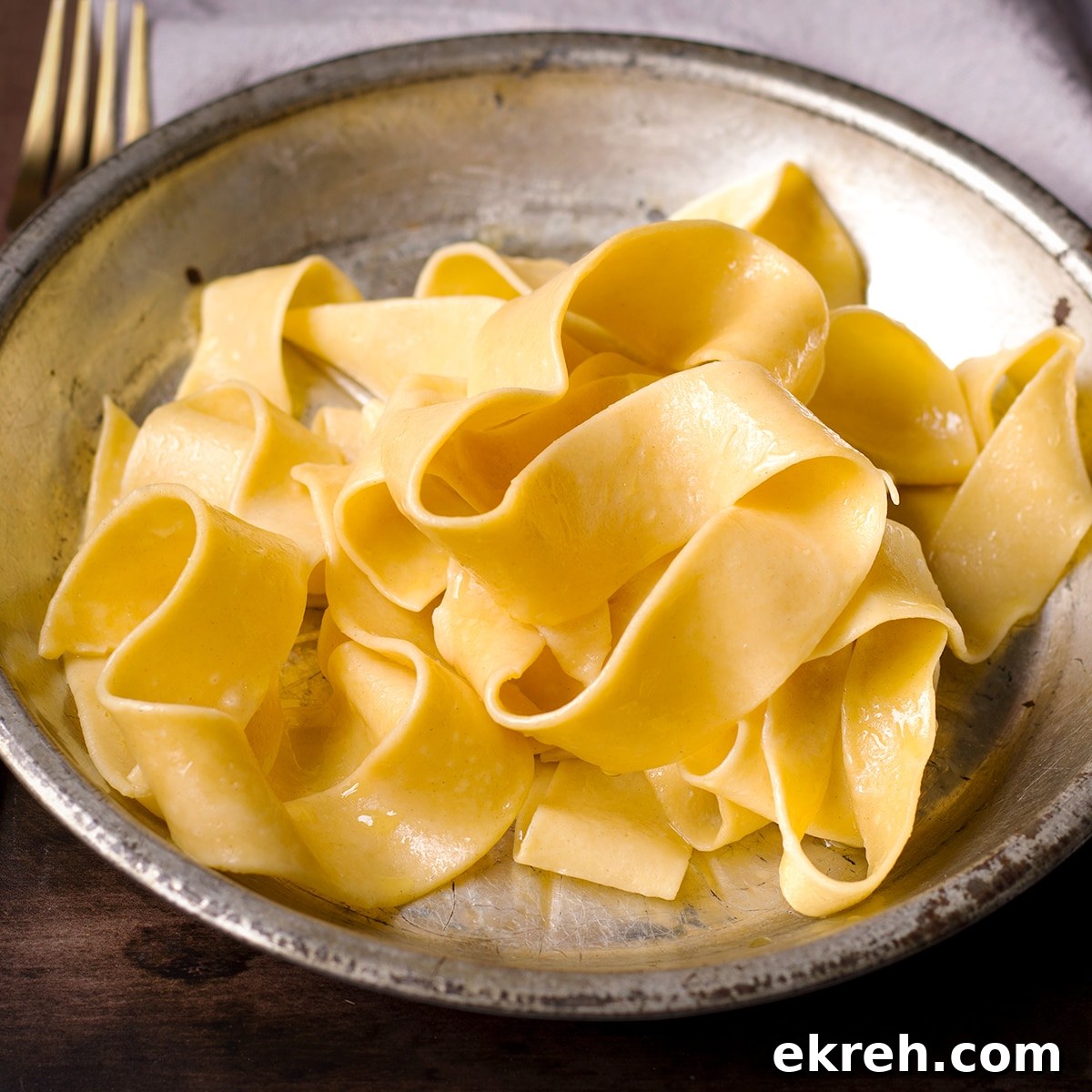
Bring the salted water to a rolling boil, add the noodles, and cook until al dente. Fresh pappardelle that has only dried briefly will usually take 2–4 minutes; fully dried noodles may take 8–9 minutes. Taste frequently to reach the desired tenderness.
3 tips for perfectly cooked pappardelle
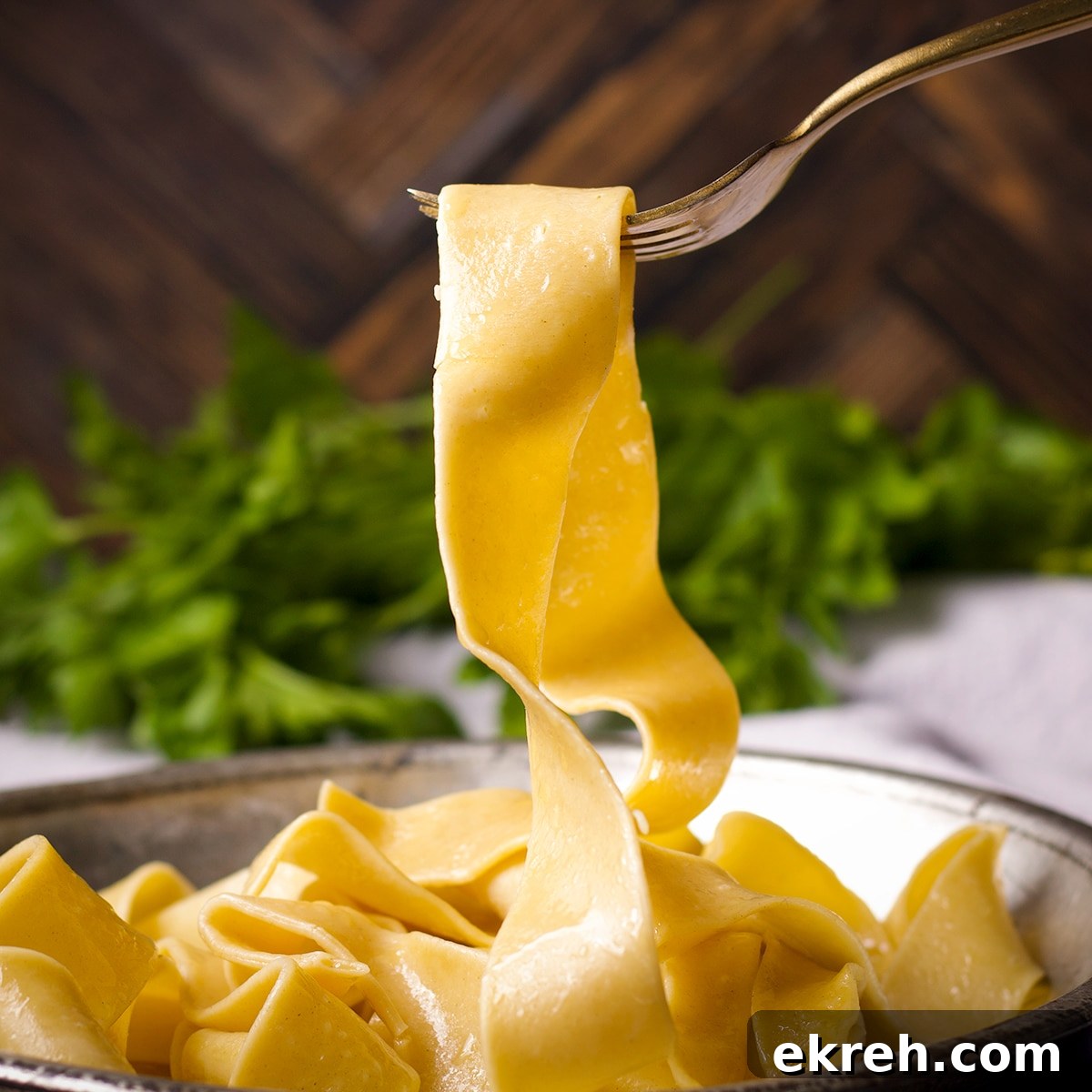
- Knead thoroughly. Knead at least 10 minutes for a smooth, elastic dough that yields a satisfying bite.
- Let the dough rest. Resting for 5 hours is the minimum; 12–24 hours gives the best texture and flavor.
- Dry briefly before cooking. Allow freshly cut noodles to dry for an hour to ensure even cooking and to avoid mushiness.
Recipes to serve with homemade pappardelle
Pappardelle pairs beautifully with rich, chunky sauces. A slow-simmered bolognese is a classic choice since the wide noodles hold plenty of sauce. Creamy mushroom ragù and roasted red pepper sauces are also excellent. Pappardelle can even be used with traditional dishes like chicken paprikash to soak up hearty, flavorful sauces.
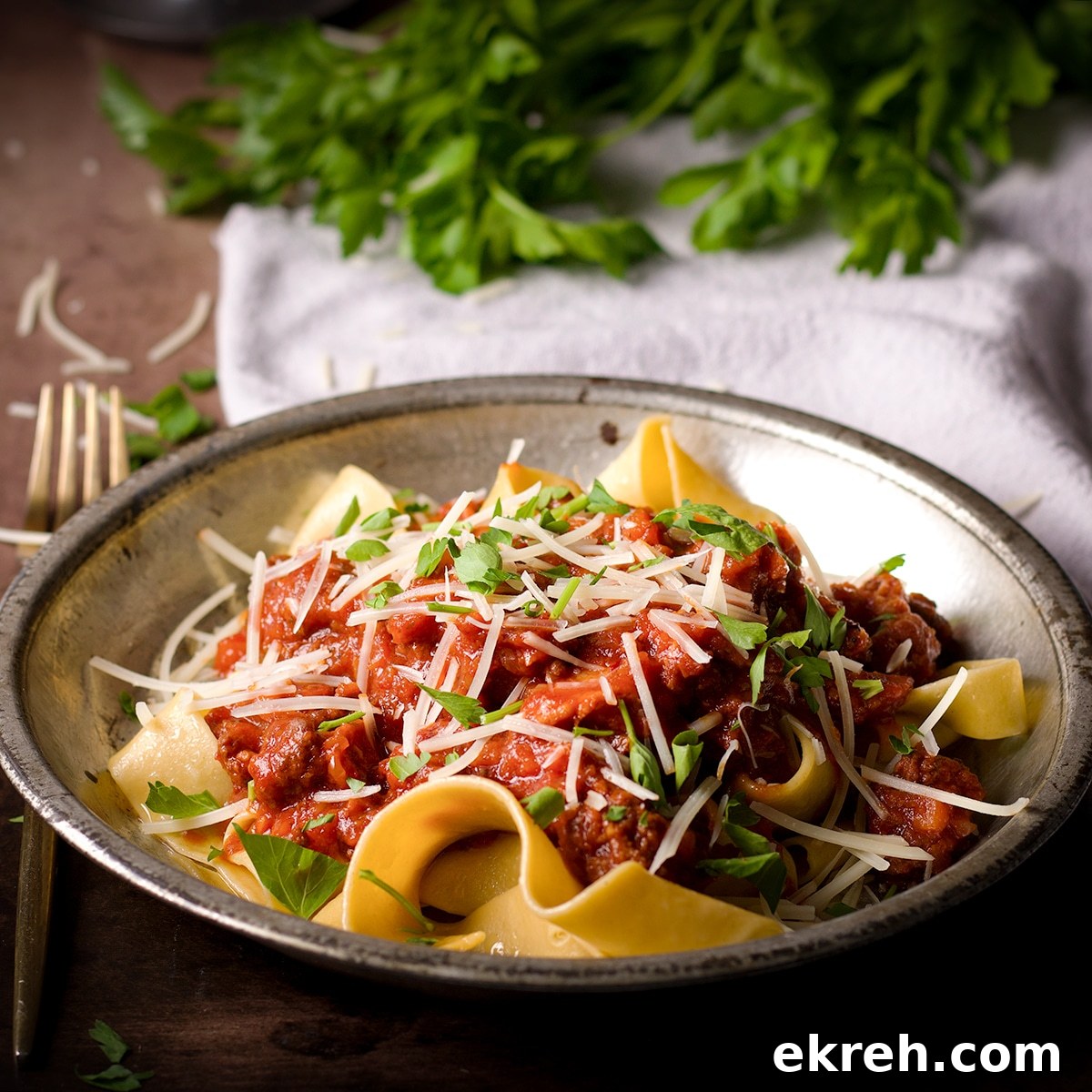
If you try this recipe, leave a comment and rate it below to share how it turned out.
📖 Recipe
Homemade Pappardelle Noodles
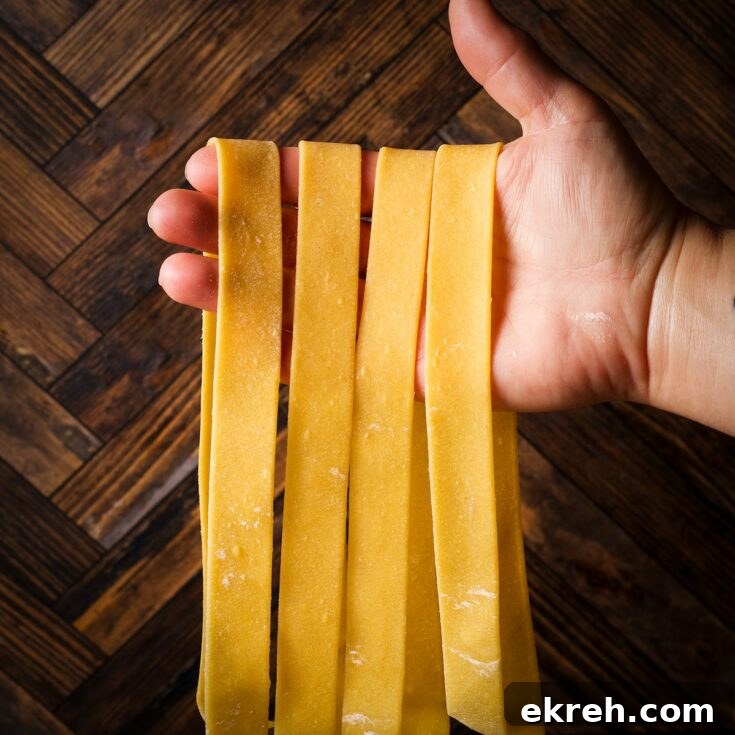
This pappardelle dough is rich in egg yolks for deep color and a silky texture. The result is flavorful, tender noodles that pair especially well with hearty sauces.
Ingredients
- 1 ¼ cups (150 g) all-purpose flour
- ½ cup (82 g) semolina flour
- 6 large egg yolks + 1 whole egg (about 140 g total)
- 1 tablespoon extra-virgin olive oil
- 1 ½ tablespoons milk
Instructions
- Add both flours to a large bowl or onto a clean work surface and blend. Make a well in the center.
- Whisk the whole egg and yolks briefly, then pour into the well with the milk and olive oil.
- Using a fork, draw flour into the eggs gradually until a shaggy dough forms.
- Turn the dough onto the work surface and knead at least 10 minutes until smooth and elastic; it should not be sticky.
- Wrap tightly and refrigerate for at least 5 hours or up to one week.
- Divide into four portions. Roll each through a pasta machine, folding and passing several times on the widest setting, then gradually thin to the desired thickness (for pappardelle, a mid setting works well).
- Cut the sheets into strips ¾–2 inches wide, depending on your preference.
- Place the noodles on a parchment-lined baking sheet dusted with flour and let them dry for at least one hour before cooking. Fully dried noodles store in an airtight container up to three weeks.
- Cook in a large pot of boiling, well-salted water until al dente—typically 2–4 minutes for fresh noodles, longer for fully dried ones. Drain and serve with your preferred sauce.
Notes
- If you’re new to fresh pasta, follow the photos above for guidance on forming a well, mixing, and rolling.
- Fresh dough will keep refrigerated for up to one week; dried pappardelle will keep at room temperature in an airtight container for up to three weeks.
Nutrition Information (per serving)
Calories: 247 · Total Fat: 9 g · Protein: 12 g · Carbohydrates: 29 g