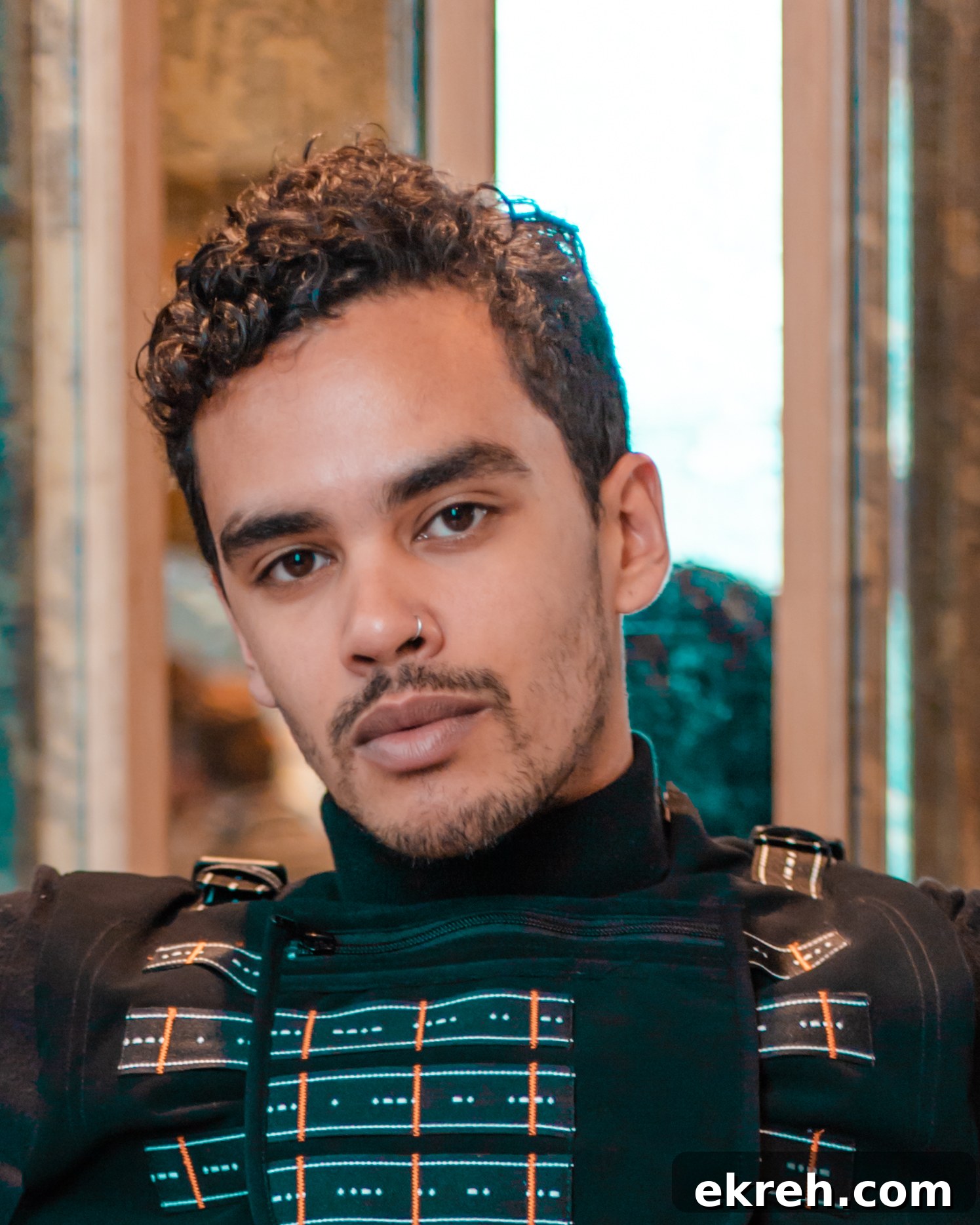
It has been a year and a half since I was diagnosed with HIV. At first, I was terrified. The thought that “I’m going to die” ran through my head on a loop. I had very little knowledge about the virus, and the fear of the unknown felt overwhelming. On top of that, I worried about what this diagnosis would mean socially—how people would react, whether I would be supported or isolated.
I decided to write about my experience because sharing became a way to process everything. I am not dead, and I’m grateful for that. I also recognize my privilege: I have access to medication, I can speak openly without fearing that my life will be in immediate danger if people find out, and I have friends and family who continue to stand by me. Being visible and vocal about living with HIV is, for me, a privilege I don’t take lightly.
If you want to read my full “coming out” story from last March—about eight months after I found out I was HIV positive—please see the post I shared then. I went into detail about my initial shock, the fallout, and what it took to start accepting this new reality.
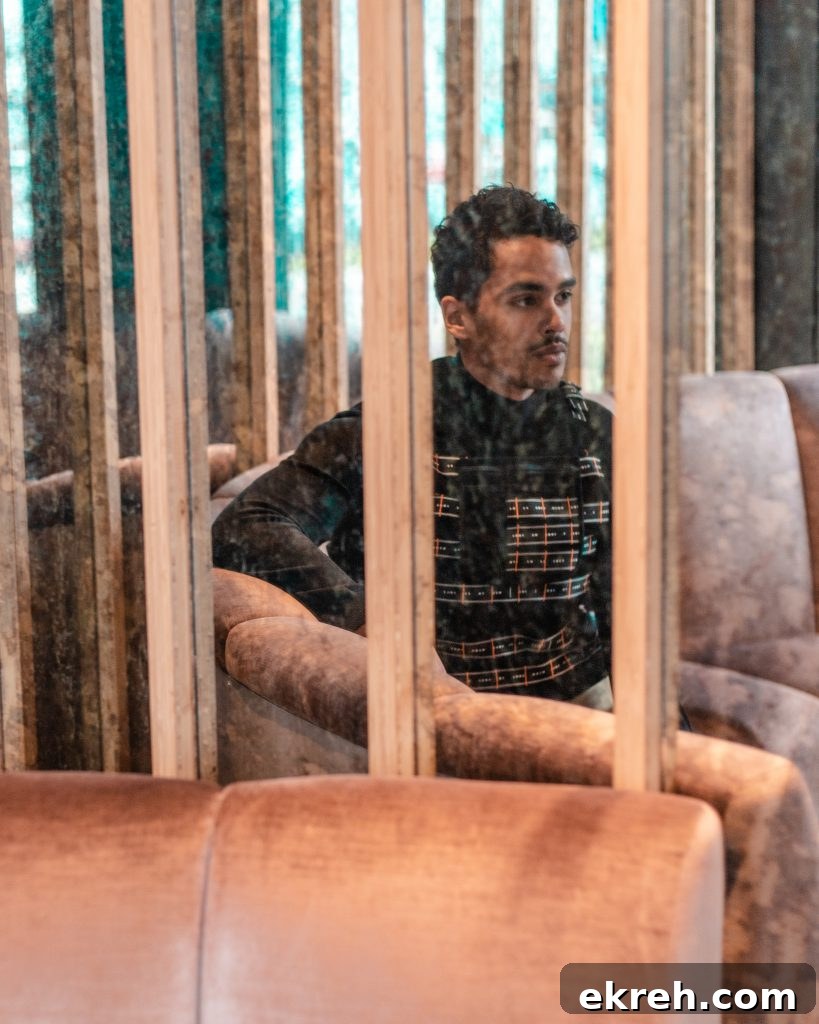
The last eighteen months have been a journey. There have been setbacks and victories, sometimes created by my own choices and sometimes by circumstances beyond my control. I relapsed into old habits, I picked up new ones, and I often felt pulled between hope and fear. There were bright days and messy ones. I learned to take things one step at a time. Some days I was okay, other days I wasn’t—and both of those truths had to be accepted.
I’m sharing this not just for myself but for the many people who remain hidden because of shame or danger. I think of my brothers and sisters who don’t receive adequate care, those who are rejected by family or lose employment because of their status, and the people who are harmed or even killed by prejudice. I’m also honoring those who struggled and fought before us, people who bore the brunt of stigma and paved the way for more open conversations today.
Too many people, especially in Black and trans communities, still face disproportionate barriers when it comes to HIV: access to healthcare, accurate information, and social support. In some regions, political and religious climates make it even harder for people to seek treatment or speak openly. That’s why using my platform—however small—to raise awareness matters to me. I want to contribute to education and to help chip away at the shame that keeps people isolated.
Sharing openly has been therapeutic. Writing down how I feel, naming the fears and the small wins, and hearing from others has made a real difference. If you have ideas about how to support our communities—whether through grassroots projects, education campaigns, or simply being willing to listen—please reach out. You can contact me by email or through my social channels; I welcome messages from anyone who wants to help or who needs someone to talk to.
My message here is direct: stigma and taboo don’t get to win. Speaking openly about living with HIV, about the rough patches and the moments of grace, is part of dismantling those barriers. If my story helps even one person feel less alone, it will have been worth sharing.
For those newly diagnosed, for those hiding in the shadows, for those who have lost so much to prejudice—know that you are not invisible to me. There is community and there is care. Finding support can change the shape of this experience, and being able to talk about it without shame can be the first step toward healing.
I will continue to write and to use what privilege I have to advocate for better access, understanding, and compassion. This is not the end of the conversation—it is one voice in a long and ongoing movement against stigma.
One Love, Jason