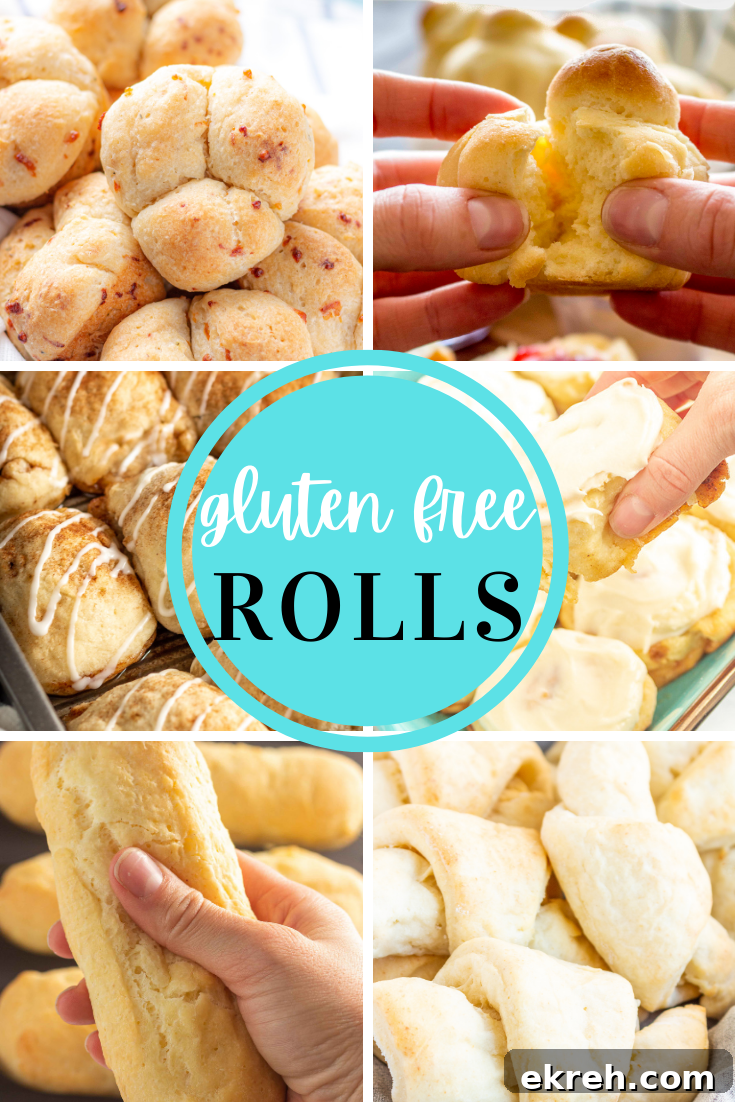
Missing soft, fluffy rolls since you went gluten free? Store-bought options rarely measure up — but you’ll be surprised how easy it is to make delicious gluten-free rolls at home.
I grew up where almost everything was homemade: the daily bread, Friday night pizzas, and many family favorites. That experience made all the difference when my husband was diagnosed with multiple food allergies nine years ago. I relied on those baking skills and spent years researching and testing recipes until I could recreate the soft, comforting rolls we loved — without gluten.
Over time I refined techniques and ingredient choices so anyone can make reliable, tender gluten-free rolls. Below I share the key differences between gluten-free and wheat rolls, practical tips for dough and shaping, and answers to common troubleshooting questions.
If you want to learn how to make gluten-free breads and rolls that actually taste good, I published a cookbook with step-by-step instructions and photos. A digital edition is also available.
How are gluten-free rolls different than regular rolls?
I assumed converting my wheat roll recipe would be simple — it wasn’t. Early attempts produced dense, rock-like loaves. Gluten-free baking requires different hydration and handling, but once you understand the basics you can reliably produce soft, tender rolls.
Here are the essential differences and what to expect when you bake gluten-free rolls.
- Gluten-free flours need more moisture. Most gluten-free blends are denser and absorb more liquid than wheat flour. For a roll dough you’ll typically aim for a texture similar to thick banana bread batter — wetter than a traditional wheat dough.
- The dough will be too sticky to shape by hand. That’s normal. Recipes include shaping methods using oiled hands, scoops, or lightly dusted surfaces so you can form rolls without overworking the dough.
- One rise is usually enough. Unlike wheat doughs that benefit from multiple rises, most gluten-free yeast breads come together with a single rise before baking. That saves time and reduces handling that can collapse the structure.
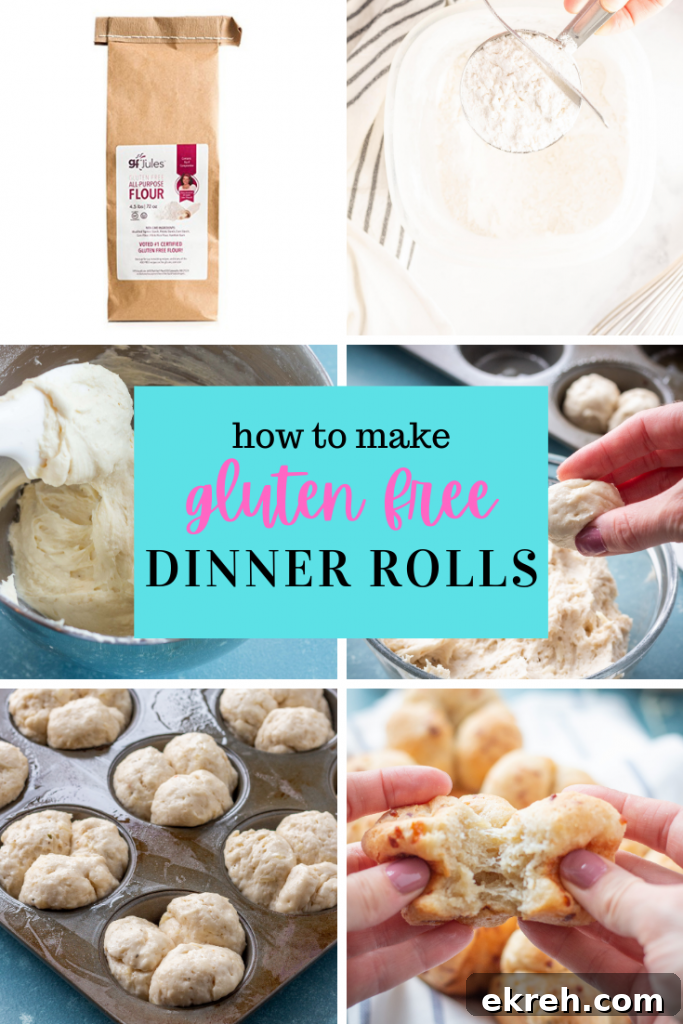
How to make gluten-free rolls
Choose the right flour blend
Different gluten-free flour blends behave differently. I have tested many options and recommend a reliable, high-quality blend for the best rise and tenderness. For a more economical or heartier option, choose a blend known to work well with yeast doughs. If a recipe specifies a particular brand, try to follow the recommendation for consistent results.
Paying a little more for a flour that performs well can save frustration and deliver better results, especially when you’re aiming for soft, fluffy rolls.

New to gluten free?
Starting a gluten-free lifestyle can be overwhelming. Learn basic techniques and ingredient swaps so you can enjoy home-baked favorites and feel confident in the kitchen.
Measure flour correctly — stir, spoon, level
Too much flour yields dry, gritty rolls. For accurate measurement: stir the flour in its container, spoon it into your measuring cup, and level with a knife. This prevents packing excess flour into the cup.
Make the dough intentionally sticky
Aim for a very sticky, batter-like dough similar to thick banana bread. If you’re adapting a wheat-based recipe, increase the liquid by 30–40% or reduce the flour by a similar amount. Flours vary in absorption, so small adjustments may be needed.
Shaping tips for sticky dough
Coat your hands with oil, butter, or water to shape sticky dough. For rolled shapes, dust the surface lightly with cornstarch or gluten-free flour so the outside becomes workable — avoid working additional dry ingredients into the dough.
Skip the second rise
One rise is typically all you need. Punching down and re-shaping for a second rise often produces denser rolls. Mix, shape, rise once, and bake for best texture.
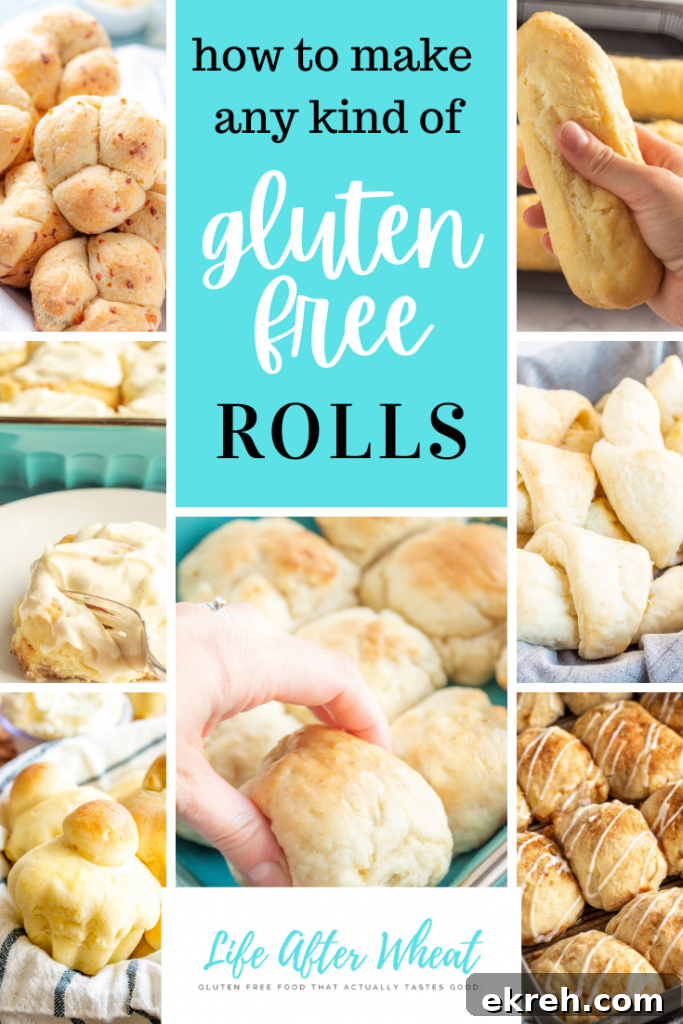
Save this post for later — pin the images to your recipe board.
Making this recipe?
We’d love to see your results. Snap a photo and tag the recipe on social media to share what you made!
Frequently Asked Questions
Why do many recipes call for powdered milk?
Can I make these rolls dairy free?
What is the best flour for gluten-free rolls?
Can I make these rolls egg free?
What type of yeast should I use?
Help — my rolls didn’t rise!
My rolls rose then sank — why?
Rolls look good but are doughy inside — what should I do?
Let’s make some rolls!
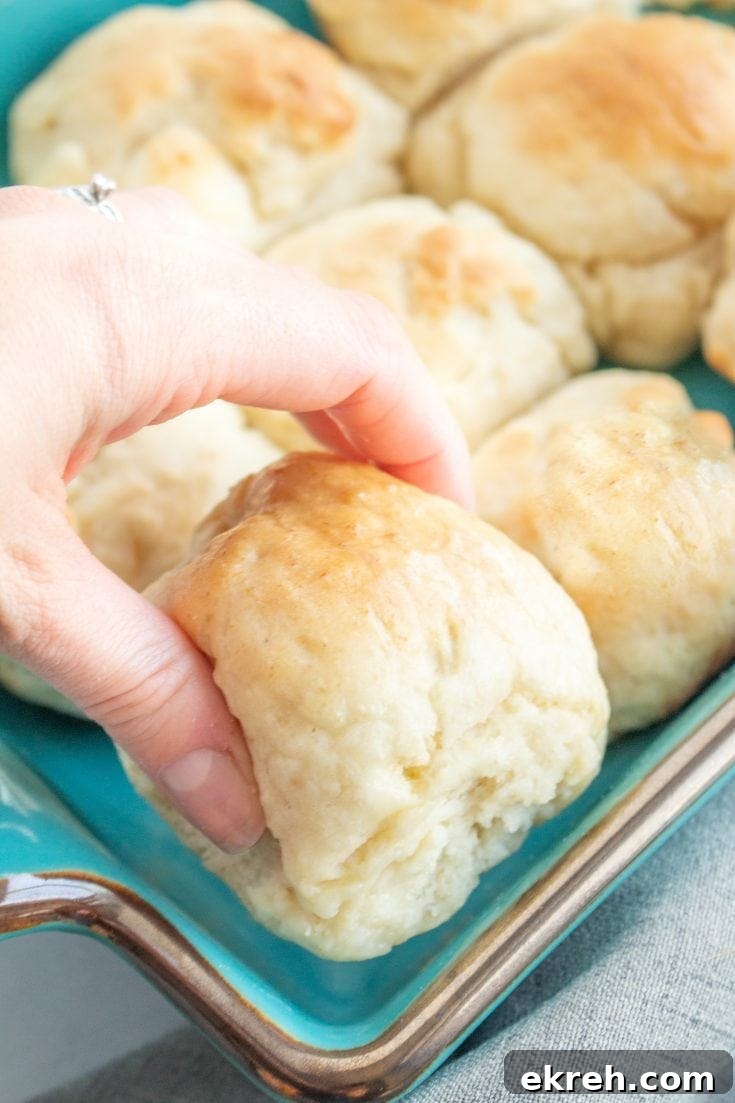
Gluten Free Rolls (dairy free option)
These gluten-free rolls are soft, fluffy, and easy to make. Ready in about an hour, they’re a great addition to any meal and include a dairy-free option.
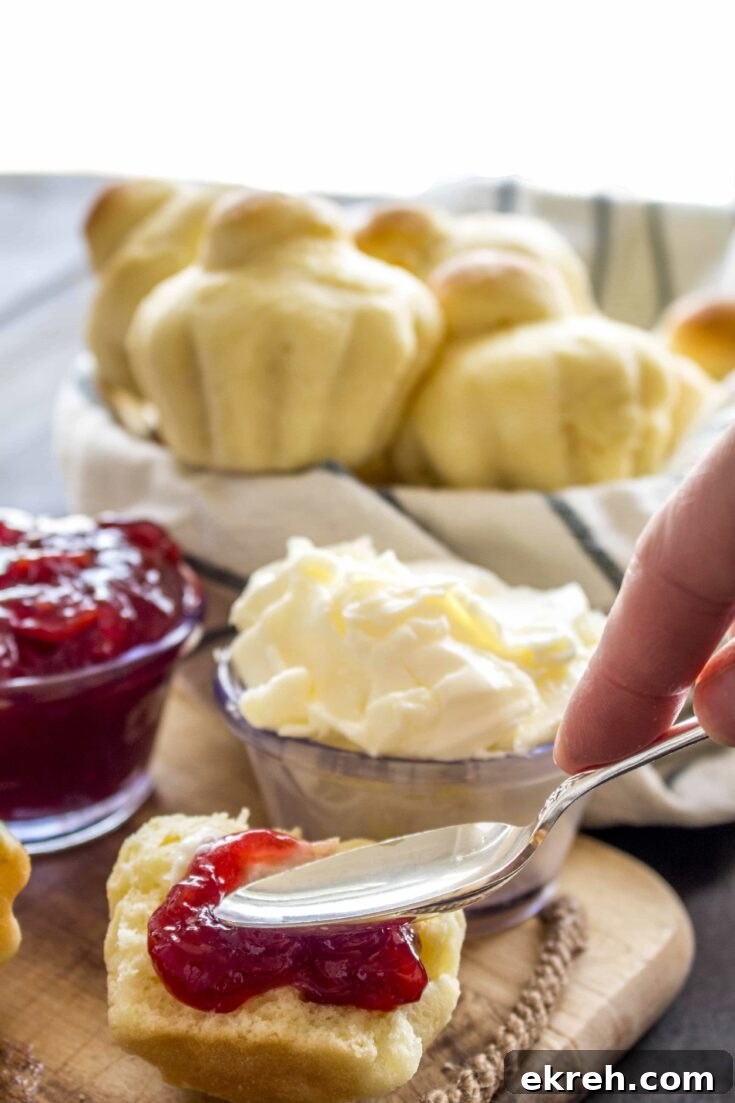
Gluten Free Brioche Rolls
Soft, rich brioche-style gluten-free rolls that are surprisingly simple to make.
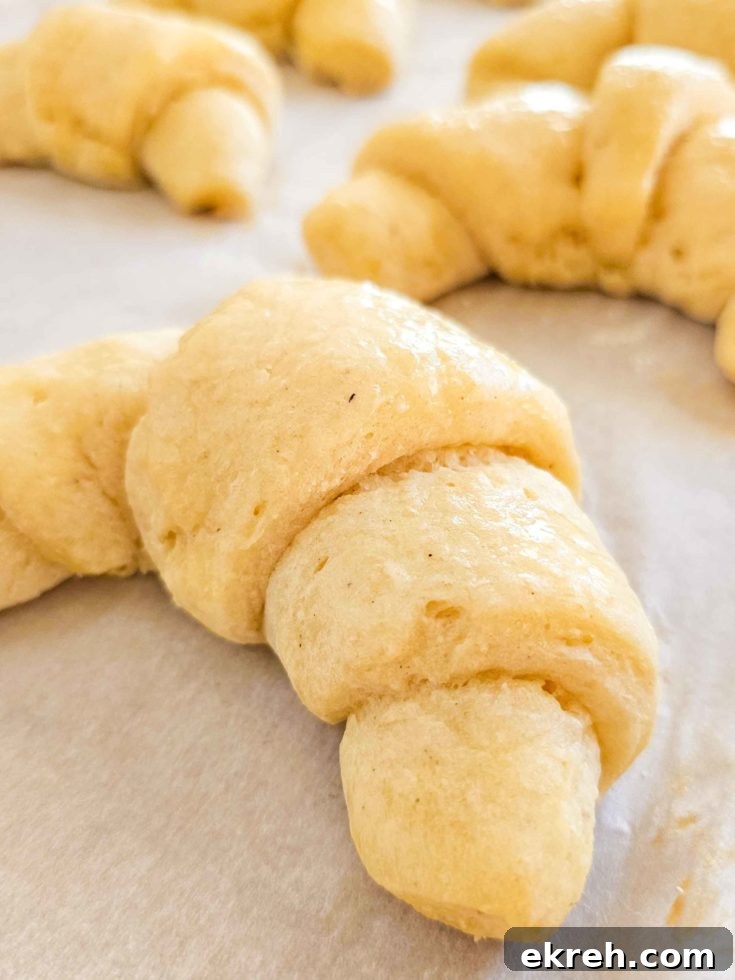
Gluten Free Crescent Rolls (dairy free option)
No-fail gluten-free crescent rolls — soft, light, and ready quickly, with a dairy-free version included.
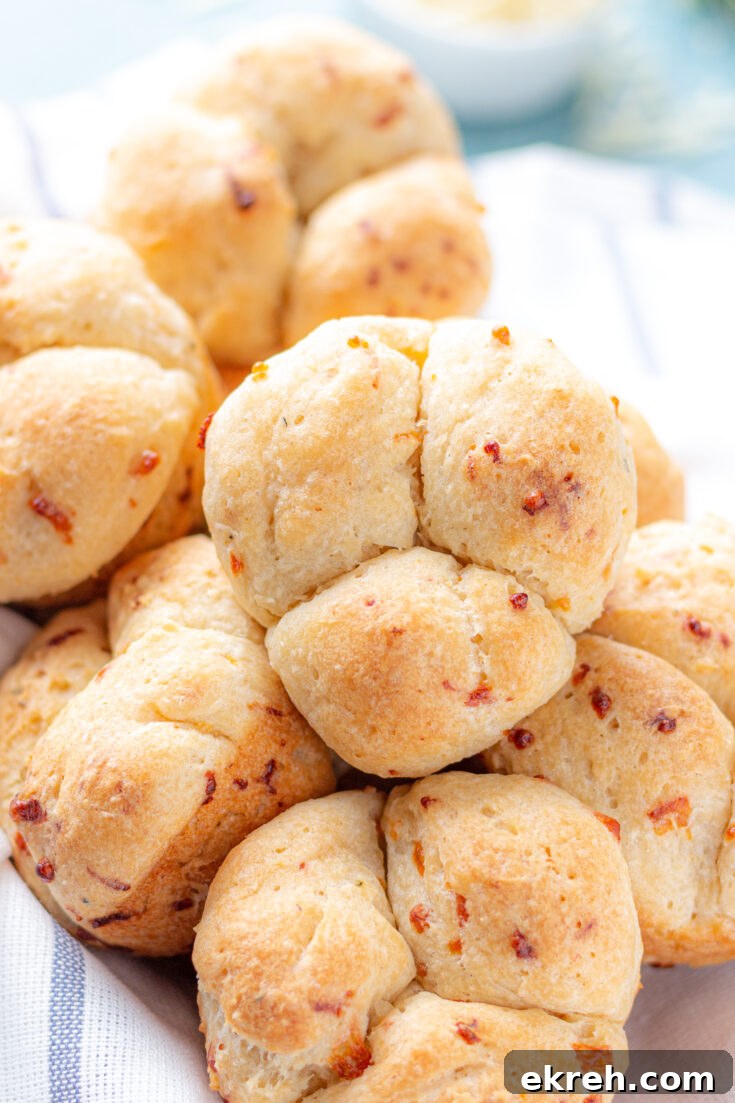
Gluten Free Cloverleaf Rolls
Easy cloverleaf rolls that bake up soft in an hour or less, with clear step-by-step photos and flour recommendations.
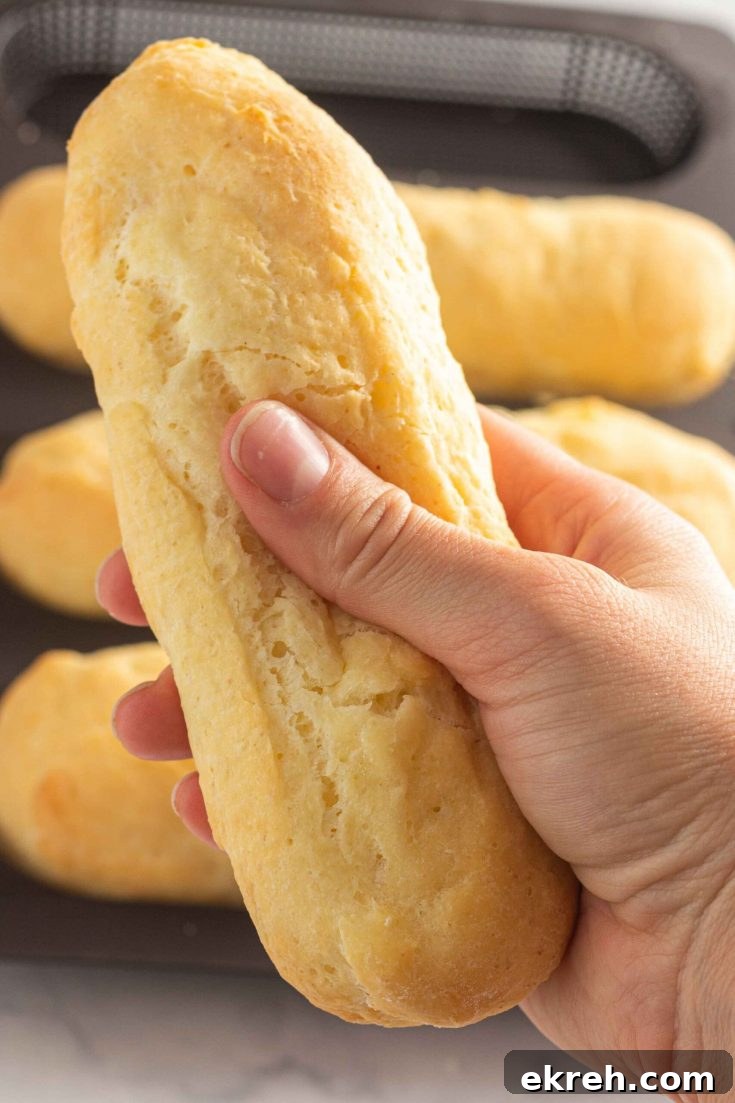
Gluten Free Hoagie Buns
Soft, sturdy gluten-free hoagie buns that hold together for sandwiches and grilling.
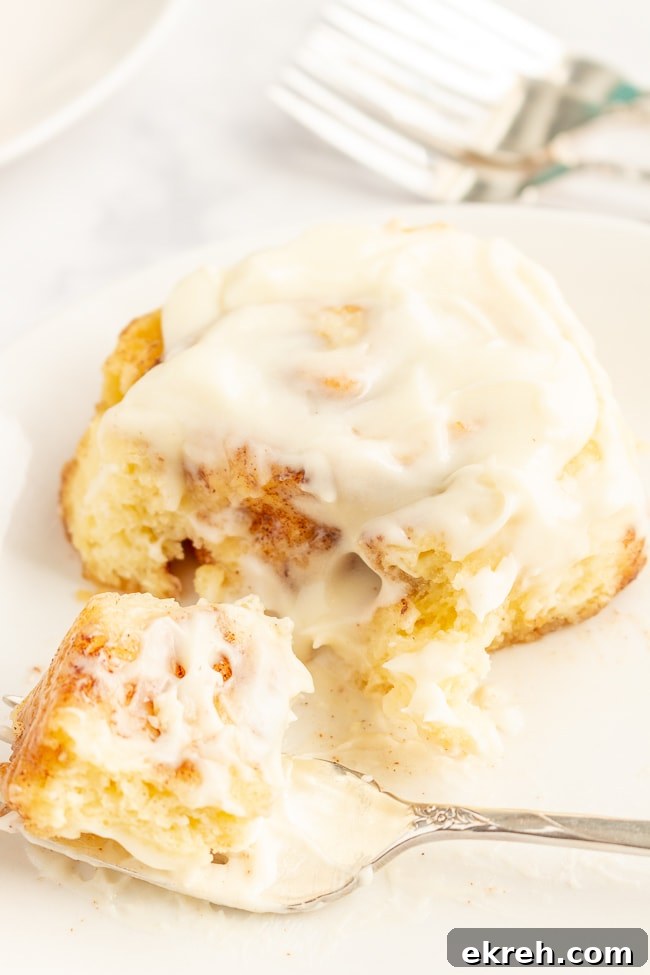
Gluten Free Cinnamon Rolls
Soft, fluffy cinnamon rolls with a tasty twist that performs well in gluten-free dough.
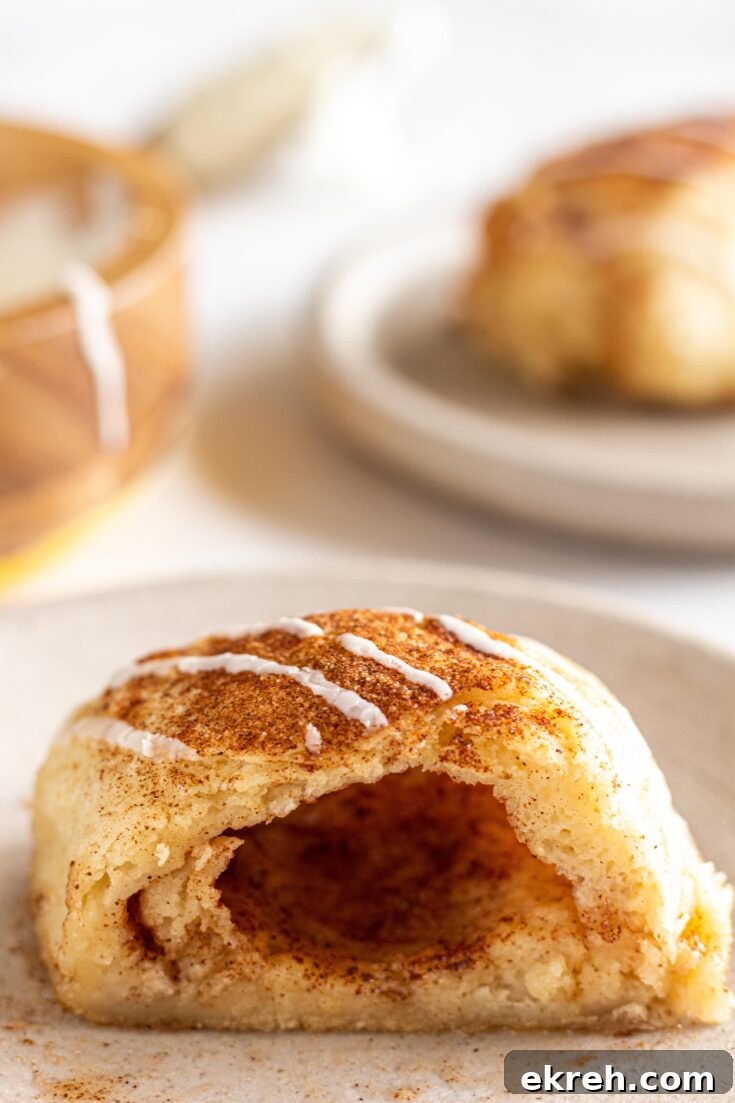
Gluten Free Resurrection Rolls
Sweet rolls that bake with a hollow center — a special treat for seasonal baking or celebrations.