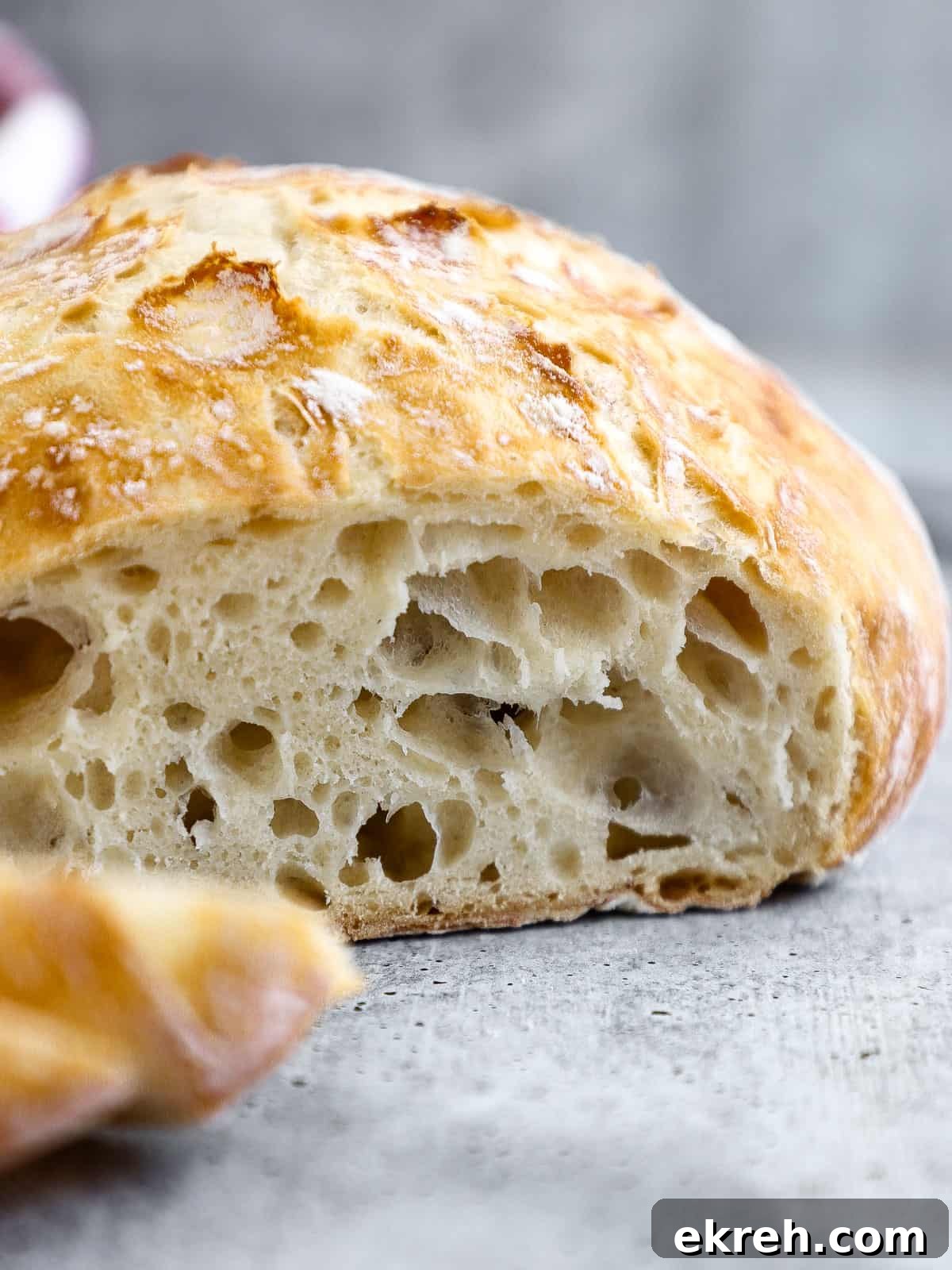
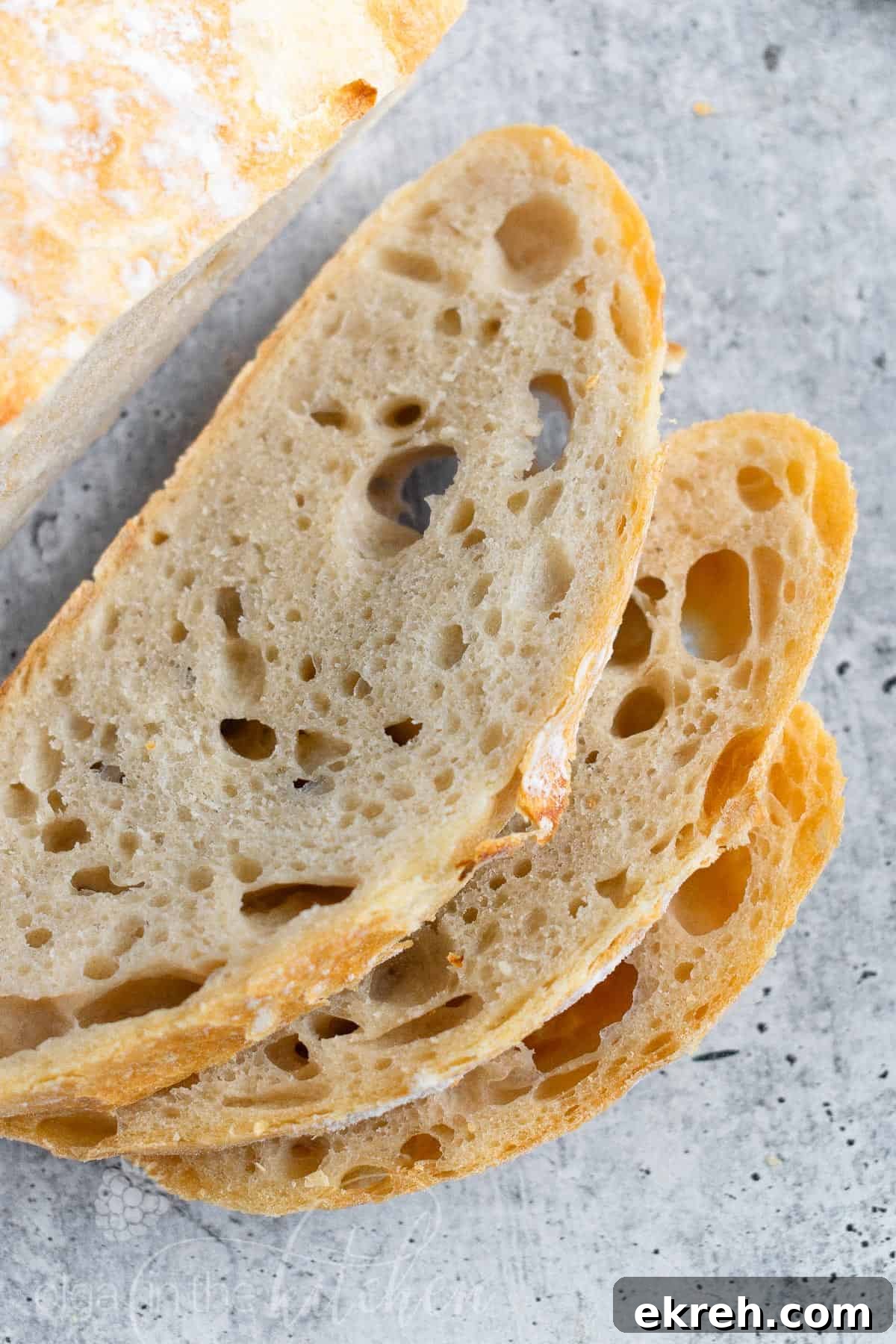
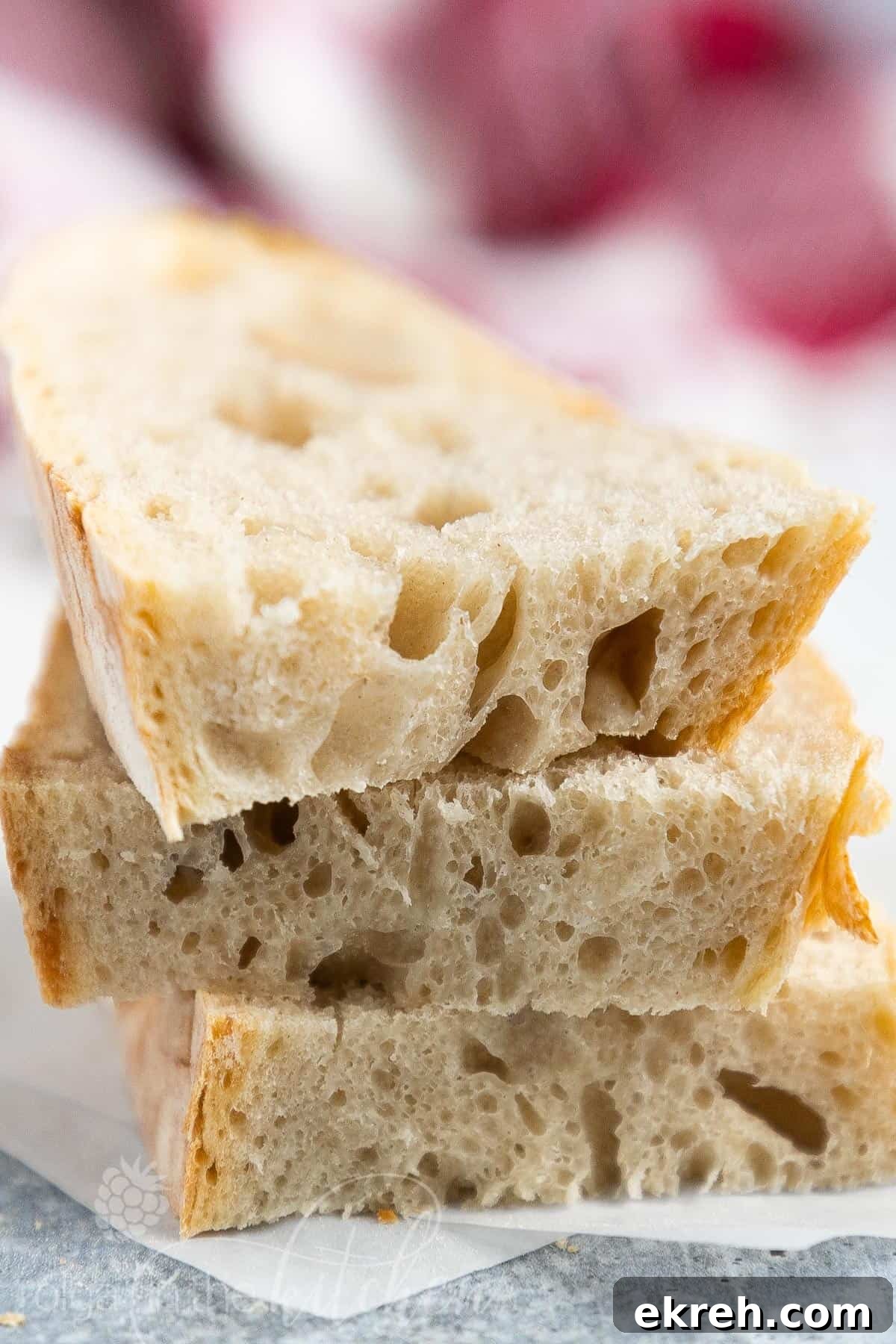
This simple no-knead bread produces a crisp, golden crust and a soft, spongy interior. With only four ingredients — flour, salt, yeast, and water — you can bake a bakery-quality loaf at home with minimal effort.
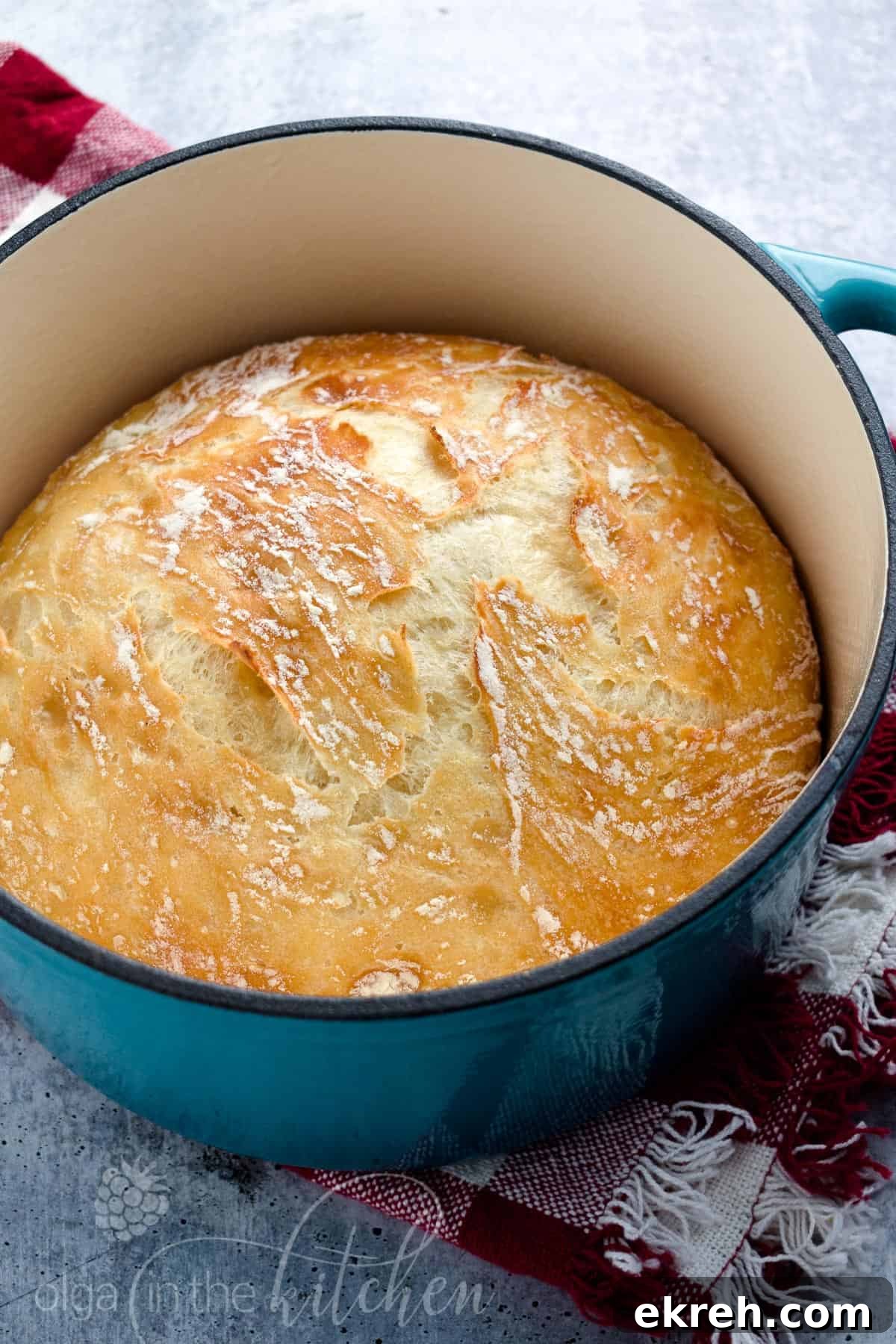
Easy No-Knead Bread Recipe:
Making dutch oven bread is surprisingly simple and requires no kneading. Combine the ingredients in a bowl, stir briefly with a wooden spoon, cover, and let the dough rest at room temperature for 18–24 hours. After a short shaping and a hot, covered bake in a heavy pot, you’ll have a rustic loaf with excellent texture and flavor.
We bake bread frequently at home and keep a few favorite recipes on hand: white machine bread, soft French-style buns, and sweet cheese rolls. This no-knead loaf is a household favorite because it’s low-maintenance and consistently produces an airy, tender crumb with a satisfying crust.
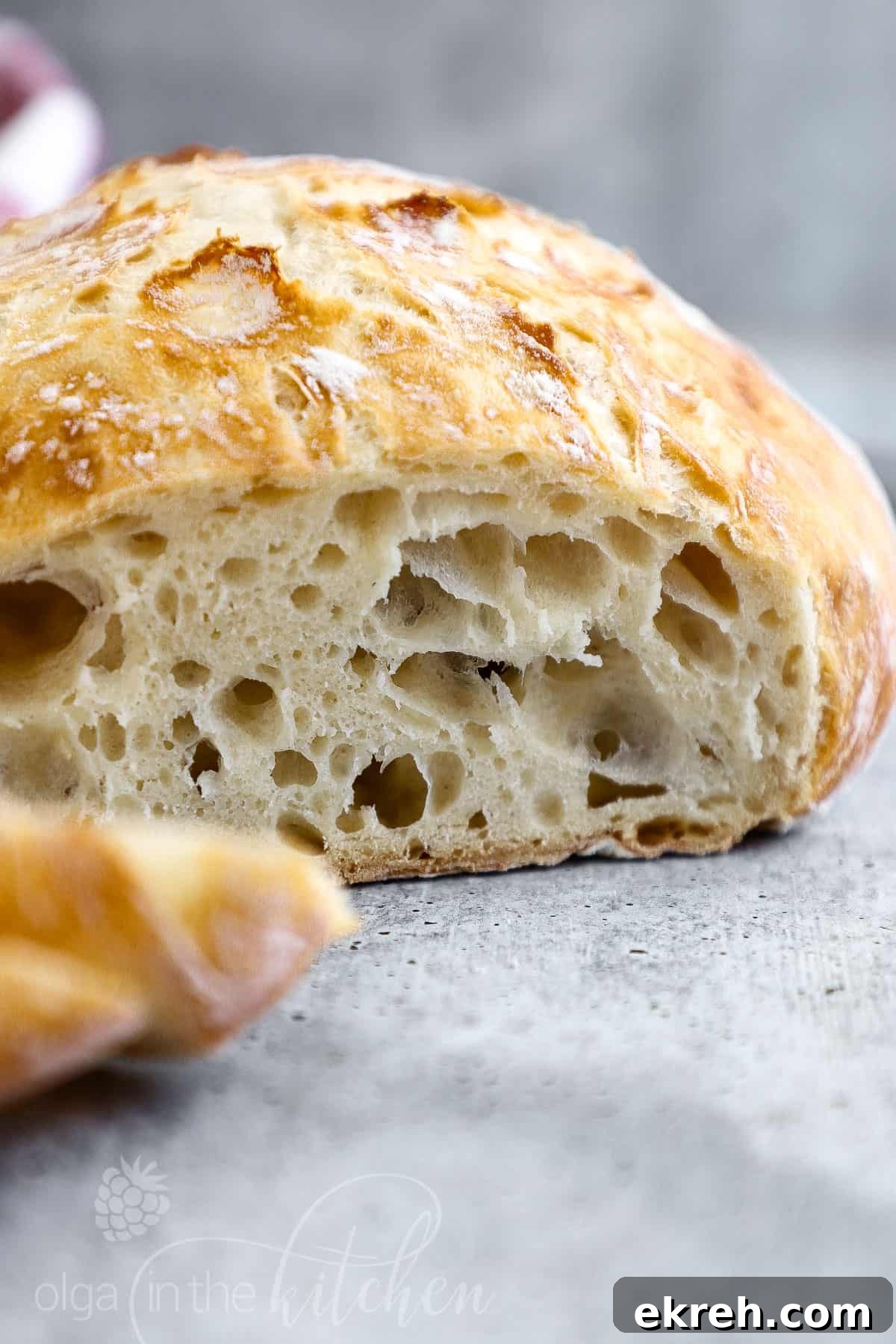
What is the Best Flour for Bread?
Both bread flour and all-purpose flour work well for this recipe. We tested each and found little difference in rise or final texture. Bread flour can offer slightly more chew because of higher protein, but all-purpose is convenient and gives excellent results for this method.
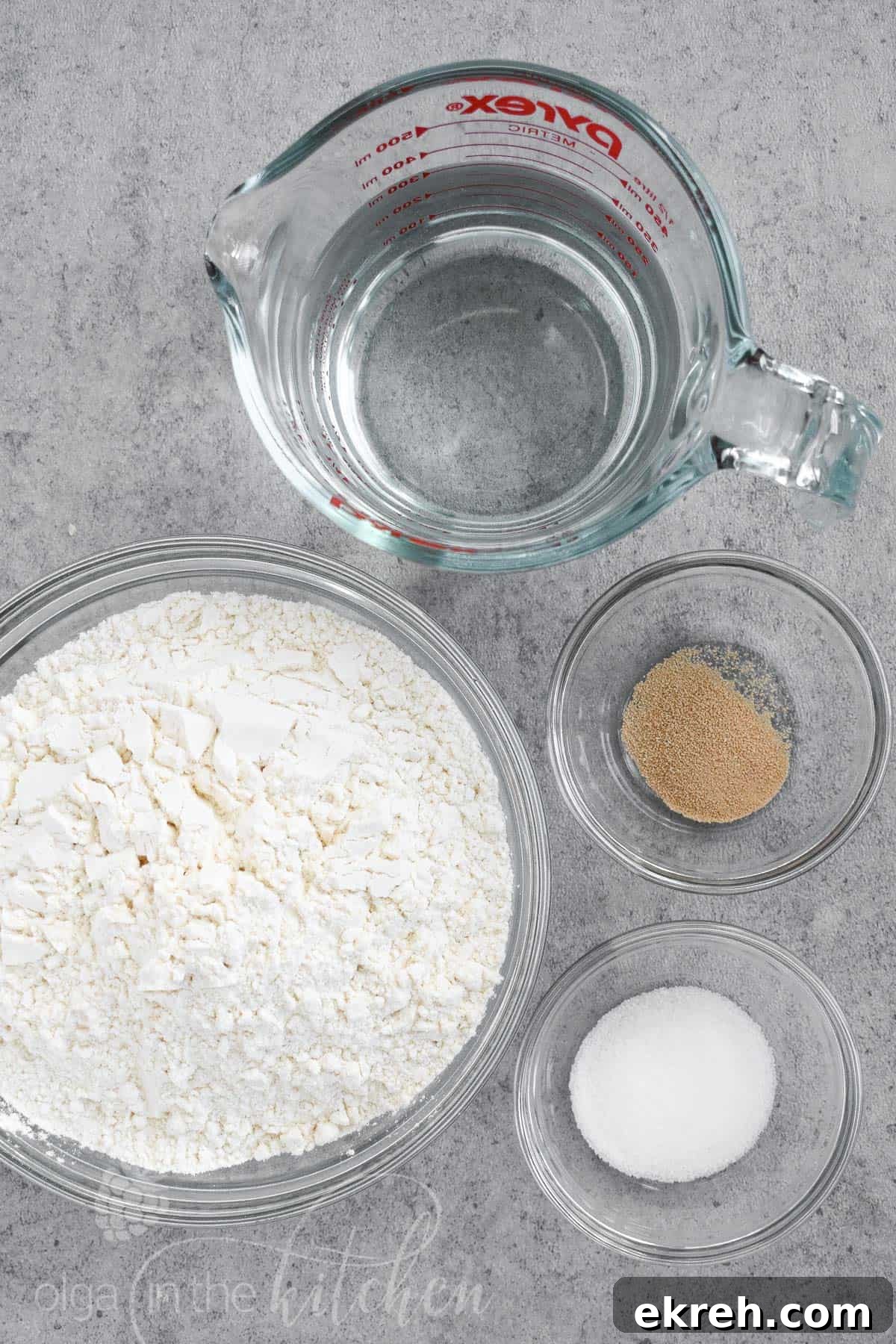
Ingredients for Easy Dutch Oven Bread:
Here’s everything you need. Exact measurements appear in the recipe section below.
- Flour – all-purpose or bread flour.
- Fine salt – for flavor (increase slightly if you prefer a saltier loaf).
- Instant dry yeast – instant yeast works well; active dry yeast can be substituted.
- Warm water – around 100–110°F (about warm to the touch, not hot).
How to Make Easy Homemade Bread
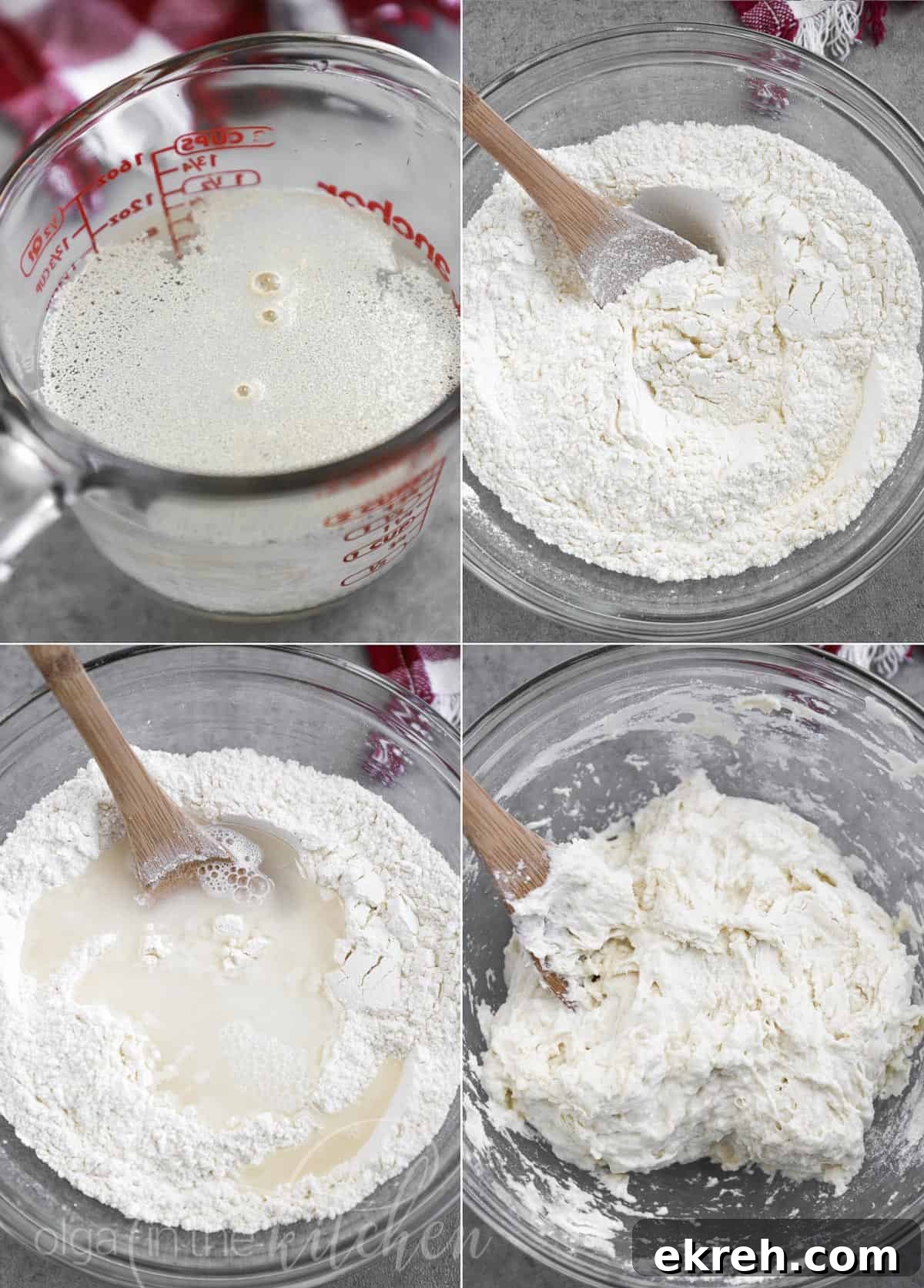
- In a measuring cup, dissolve the yeast in warm water (100–110°F) and let it sit 2–3 minutes.
- In a large mixing bowl, combine the flour and salt and whisk to mix evenly.
- Pour the water and yeast mixture into the flour and stir with a wooden spoon until all the flour is hydrated. The dough will be very sticky — resist the urge to add more flour.
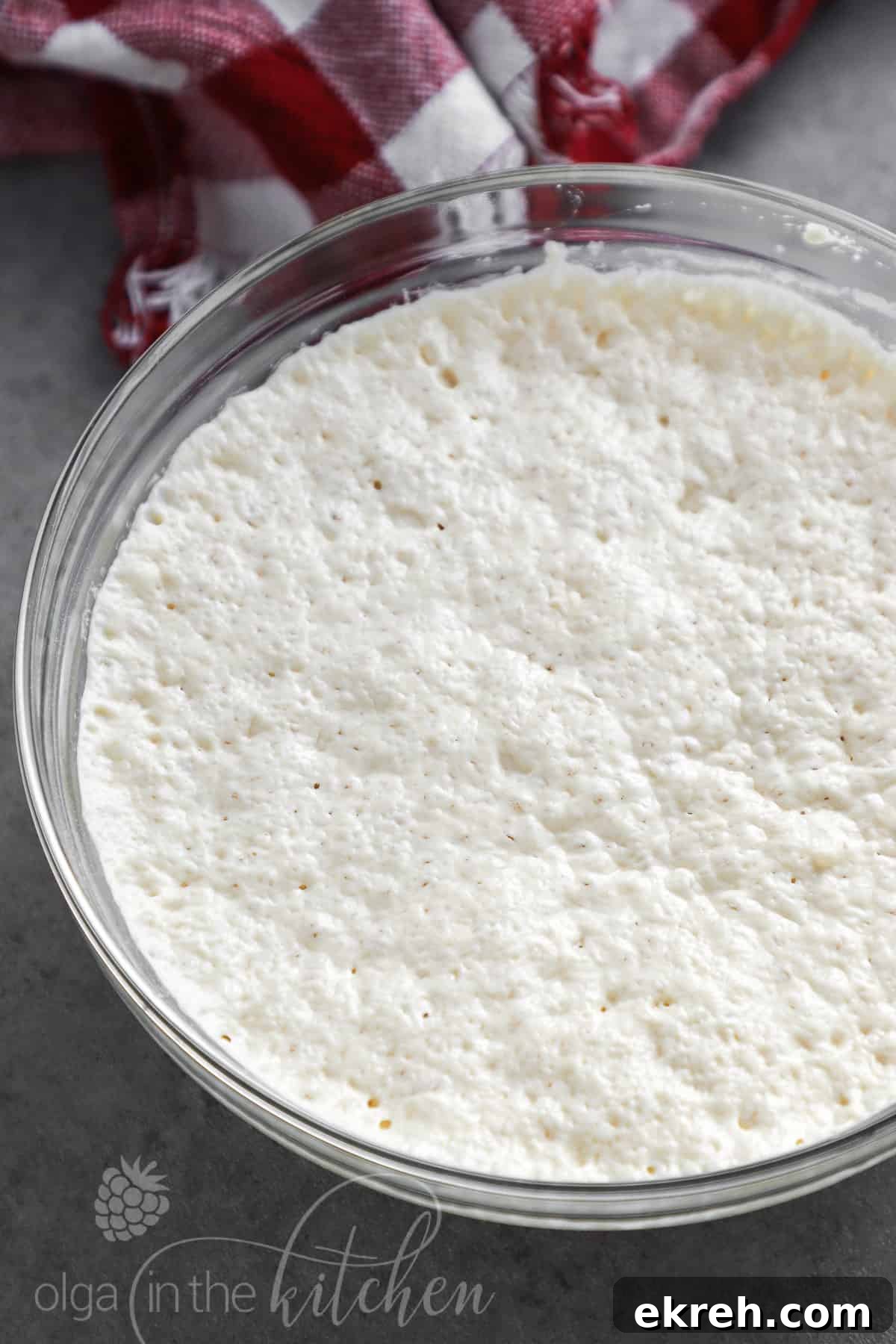
- Cover the bowl with plastic wrap or a clean dish towel and let it rest at room temperature or inside an unheated oven for 18–24 hours. The long, slow rise develops flavor and texture.
- When ready to bake, preheat your oven to 450°F with a heavy lidded pot (a dutch oven) inside. Use oven mitts — the pot will be extremely hot.
- Lightly flour a work surface. Scrape the sticky dough onto the surface, then fold it over itself a few times to form a loose ball. A pastry scraper or well-floured hands helps.
- Sprinkle the bottom of the preheated pot with flour or cornmeal, carefully transfer the shaped dough into the pot, cover, and bake 30 minutes at 450°F.
- Remove the lid and bake another 15–20 minutes until the crust is deep golden brown. Remove the loaf and cool completely on a wire rack before slicing.
Quick Tips
- Water temperature: Keep it warm but not hot (100–110°F) so yeast stays active.
- Yeast substitute: If using active dry yeast, use about 3/4 teaspoon instead of instant.
- Measuring flour: Spoon flour into the cup and level it off for accuracy — don’t scoop directly with the cup.
- Rising location: A draft-free countertop, an unheated oven, or an off microwave works well. Avoid a hot oven for the initial rise.
- Pot size: A 4–5 quart dutch oven is ideal to promote upward rise rather than spreading.
- Preheat pot: Heating the empty pot before adding dough helps create a crisp, well-colored crust.
- Prevent sticking: Dust the bottom of the hot pot with flour or cornmeal before placing the dough.
- Cool before slicing: Let the bread cool nearly to room temperature before cutting to avoid a gummy crumb.
Do You Need a Dutch Oven?
The secret to great crust is a heavy, thick container with a lid that traps steam during the first part of baking. A cast iron dutch oven is ideal because it retains and radiates heat evenly. Thick glass or stoneware can work in a pinch, but cast iron typically gives the best results.
Many affordable brands make 4-quart dutch ovens that perform well; there’s no need for expensive cookware to get a fantastic loaf.
Do I Need to Proof the Yeast?
You don’t have to proof instant yeast, but dissolving it in warm water first helps ensure it mixes evenly and gives you peace of mind that it’s active. Either method works for this long-rise recipe.
Why Did My Bread Stick to the Pot?
To avoid sticking, make sure the pot is thoroughly preheated and sprinkle flour or cornmeal in the bottom before adding the dough. Some bakers use parchment paper, but many parchment brands have a maximum safe temperature below 450°F, so flour or cornmeal is a safer option for high-heat baking.
My Bread Is Too Dense
Dense bread is usually the result of too much flour or overworking the dough. The no-knead dough will be sticky — that’s normal. Follow the recipe quantities, avoid adding extra flour, and do minimal handling when shaping to preserve the air bubbles from the long rise.
Reader-Favorite Bread Ideas
- White machine bread — a classic, soft sandwich loaf
- Cheese-filled buns — sweet or savory rolls with a rich filling
- Pumpkin bread — a seasonal favorite that works year-round
- French-style buns — light rolls that pair with soups and salads
- Banana-berry bread — moist loaf studded with fruit
Recipe
Easy No-Knead Bread
Yields: 1 loaf
Prep time: 18 hours (hands-on time about 20 minutes)
Cook time: 45 minutes
Ingredients
- 3 cups all-purpose flour
- 1 teaspoon fine salt (or 1 1/2 tsp for saltier bread)
- 1/2 teaspoon instant dry yeast (or 3/4 tsp active dry yeast)
- 1 1/2 cups warm water (100–110°F)
Instructions
- Mix the yeast into the warm water and let sit 2–3 minutes.
- In a large bowl, whisk together the flour and salt.
- Pour the water and yeast into the flour and stir with a wooden spoon until combined. The dough will be sticky.
- Cover the bowl and let the dough rest at room temperature or in an unheated oven for 18–24 hours.
- Preheat the oven to 450°F with a heavy lidded pot inside.
- Turn the dough onto a floured surface, fold it into a loose ball, and transfer it to the preheated pot dusted with flour or cornmeal.
- Cover and bake 30 minutes, then remove the lid and bake another 15–20 minutes until golden brown.
- Remove the loaf and cool completely on a wire rack before slicing.
Notes
- Keep water between 100–110°F; hotter water can kill the yeast.
- Measure flour by spooning into the cup and leveling for accuracy.
- A 4–5 quart dutch oven helps the loaf rise up rather than spread out.
- Always let the bread cool before slicing to preserve crumb structure.