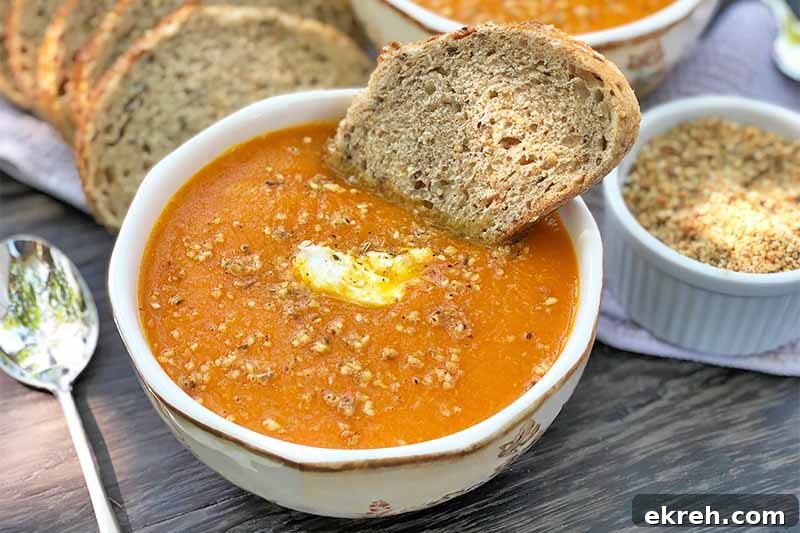
After a weekend of holiday feasting with friends and family, sometimes the most appealing meal is the simplest: a warm bowl of homemade soup.
I don’t know about you, but the days after a holiday are the least inspired for cooking. There’s no shortage of food left in the other refrigerators we visited—bowls of leftovers, snacks, and treats—but at home our fridge looked very different: a small bag of carrots, a few eggs, a stick of butter, and an old bottle of kombucha. We were exhausted and not ready to plan anything elaborate.
Going through the weekend mail, I found the latest issue of a food magazine and flipped through it while tackling laundry and work calls. I was hoping to find a quick lunch I could make with what I already had.
That’s how this Roasted Carrot Onion Soup with Dukkah Spice came to be. I adapted the original recipe to fit my pantry: I swapped a pound of the carrots the recipe called for with onion, traded fennel seeds for anise, and used hazelnuts instead of pistachios because I had a half-cup in the pantry. The result is a buttery, slightly sweet roasted carrot and onion soup with a bright, nutty dukkah topping that adds texture and a fragrant spice lift.
Simple pantry ingredients—affordable carrots and onions, a bit of butter, and homemade vegetable broth from the freezer—become something comforting and special with a little roasting and a sprinkle of spice. This soup proves that some of the best meals after a busy holiday are the plain, restorative ones: one bowl, one spoon, and a little calm.

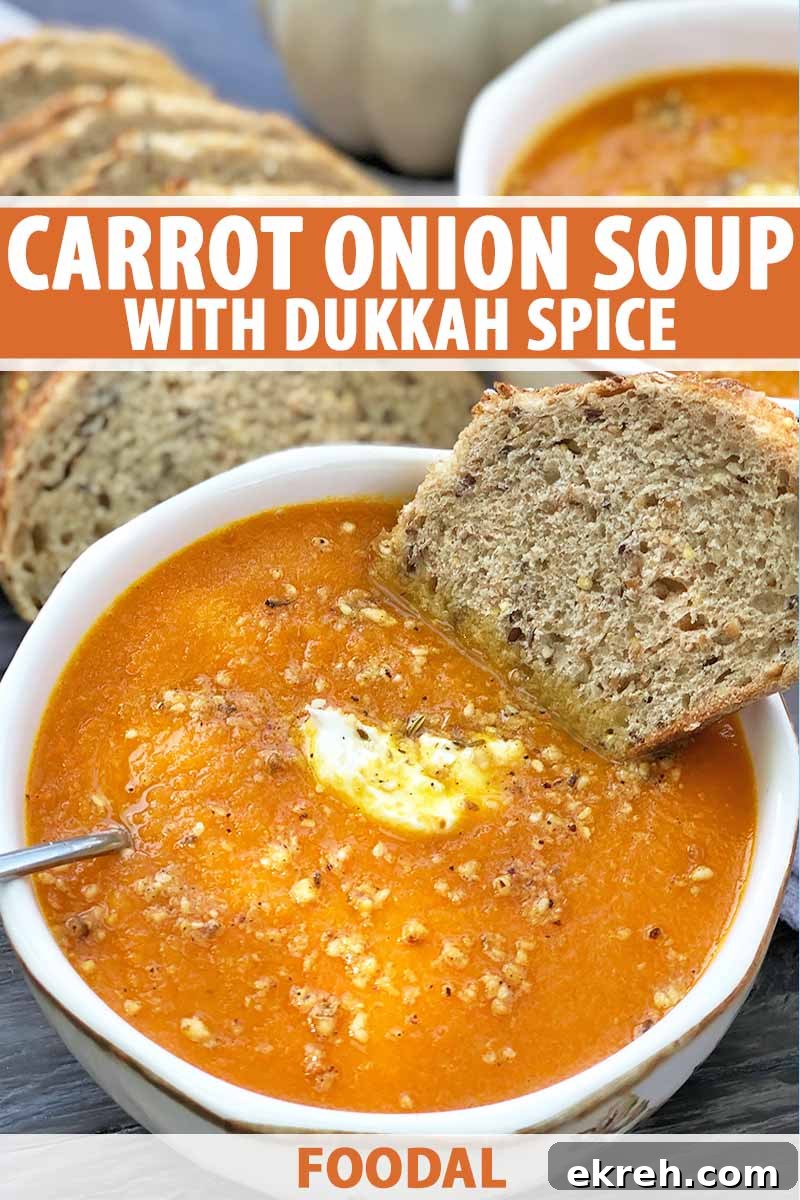
Roasted Carrot Onion Soup with Dukkah Spice
- Author: Shanna Mallon
- Total Time: 1 hour, 15 minutes
- Yield: 4 servings
Description
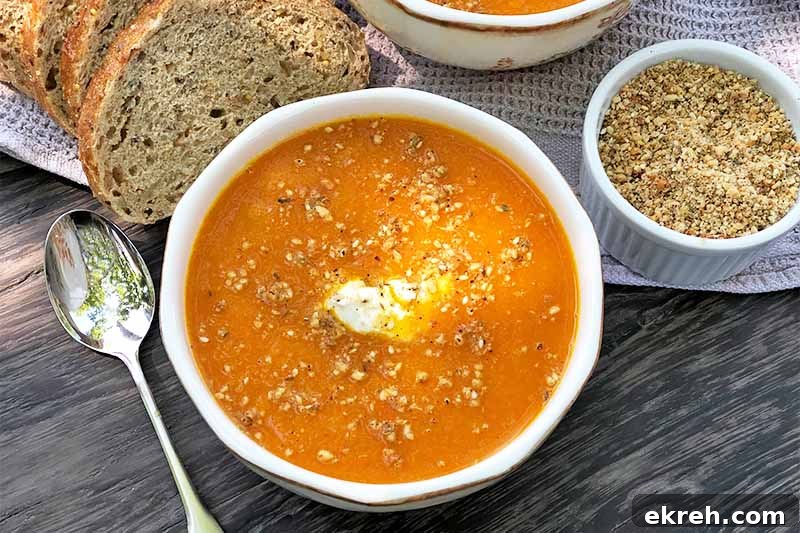
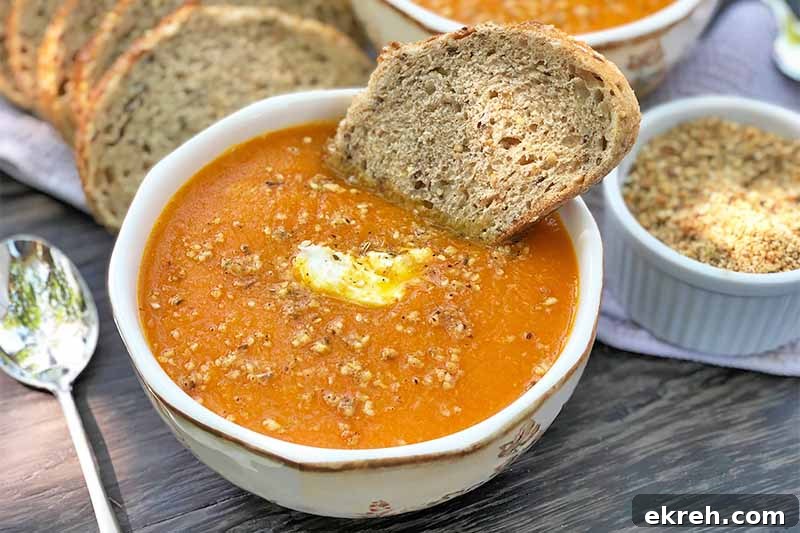
This roasted carrot and onion soup is creamy and slightly sweet, enriched with butter and finished with a crunchy, aromatic dukkah spice blend. A dollop of plain Greek yogurt and a scattering of the nut-and-seed topping make a simple bowl feel special.
Ingredients
For the Dukkah Spice Blend:
- 1/2 cup hazelnuts
- 2 tablespoons sesame seeds
- 3/4 teaspoon coriander seeds
- 3/4 teaspoon cumin seeds
- 1/2 teaspoon fennel seeds
- 1/2 teaspoon freshly ground black pepper
- 1 teaspoon salt, or more to taste
For the Soup:
- 1 pound carrots, peeled and cut into 1-inch pieces
- 1 pound yellow onions, peeled and cut into 1-inch pieces
- 2 tablespoons unsalted butter, melted
- 1/2 teaspoon salt
- 1/4 teaspoon freshly ground black pepper
- 1 quart vegetable broth
- Plain Greek yogurt, for serving
Instructions
To make the dukkah spice blend:
- Warm a large skillet over medium-low heat. Add the hazelnuts and toast, stirring occasionally, until fragrant and the skins begin to loosen, about 5 minutes. Transfer the nuts to a plate and let them cool 2 minutes.
- When cool enough to handle, rub handfuls of hazelnuts between your palms to remove as much skin as you can. Place the hazelnuts in a food processor and set aside.
- Return the skillet to medium-low heat. Add the sesame, coriander, cumin, and fennel seeds and toast 1–2 minutes, stirring often, until fragrant. Add the toasted seeds to the food processor with the nuts.
- Add the black pepper and salt to the food processor. Pulse until the mixture is coarsely ground—enough to provide texture and crunch. Set aside.
To make the soup:
- Preheat the oven to 375°F (190°C) and line a large baking sheet with parchment paper.
- In a large bowl, toss the chopped carrots and onions with the melted butter, salt, and pepper. Spread them in a single layer on the prepared baking sheet.
- Roast until the vegetables are tender and beginning to brown, about 45 minutes. Remove from the oven and let cool on the pan for 5–10 minutes.
- Transfer the slightly cooled vegetables to a high-powered blender. Add the vegetable broth and blend on high until smooth, about 2–3 minutes. (Alternatively, use an immersion blender in a large pot.)
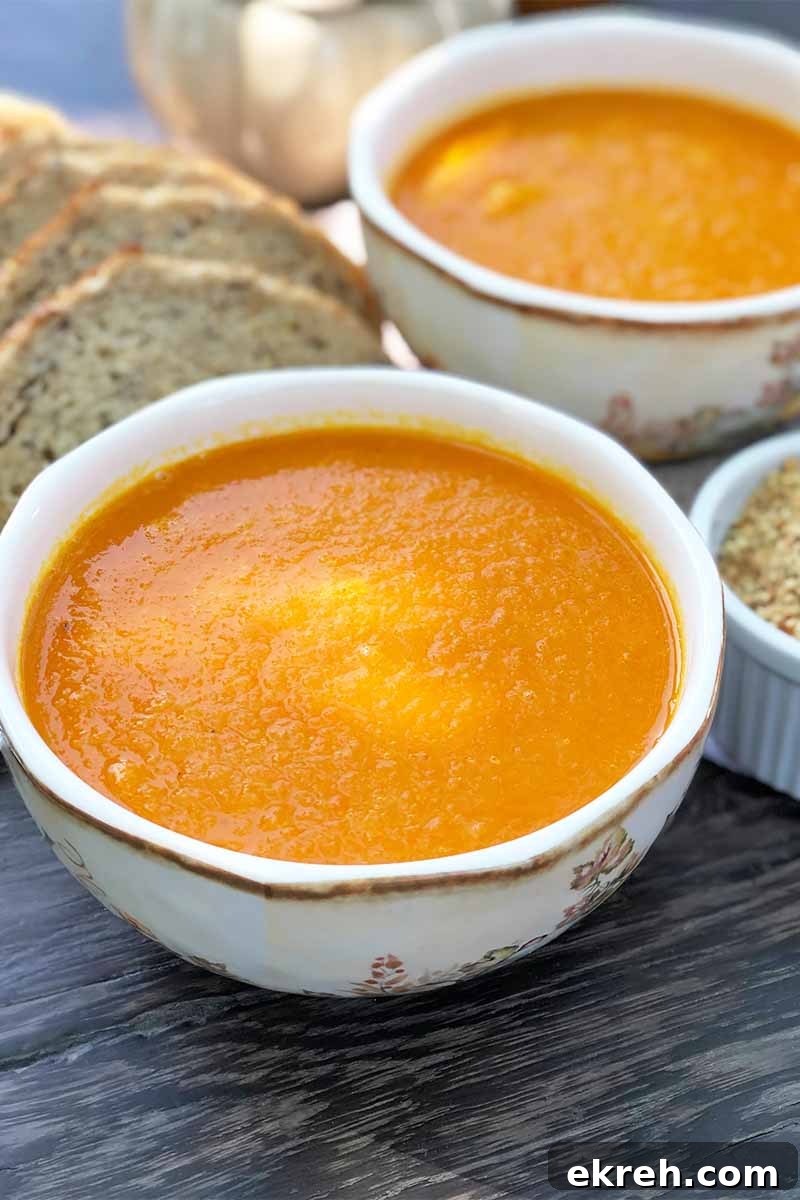
- Pour the blended soup into a stockpot and warm over medium heat, stirring occasionally, until heated through, about 10 minutes. If you prefer a thinner soup, add water 1/4 cup at a time until it reaches your desired consistency.
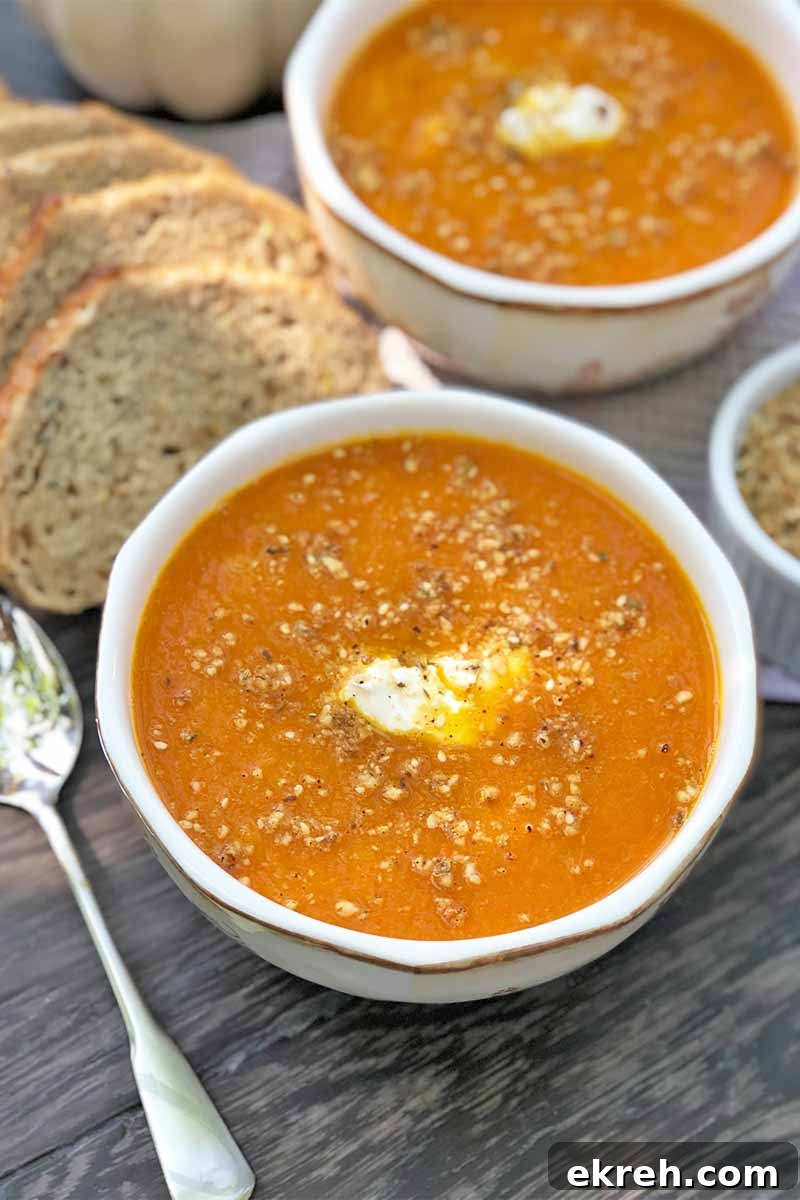
- Divide the soup among four bowls. Top each serving with a sprinkle of dukkah and a dollop of plain Greek yogurt. Serve additional dukkah at the table for those who want more.
Notes
This recipe is adapted from a roasted carrot soup recipe. The dukkah keeps well in an airtight jar for up to a week and makes a great garnish for eggs, roasted vegetables, or salads.
- Prep Time: 30 minutes
- Cook Time: 45 minutes
Cooking By the Numbers…
Step 1 – Measure Ingredients, Chop Vegetables, and Preheat Oven
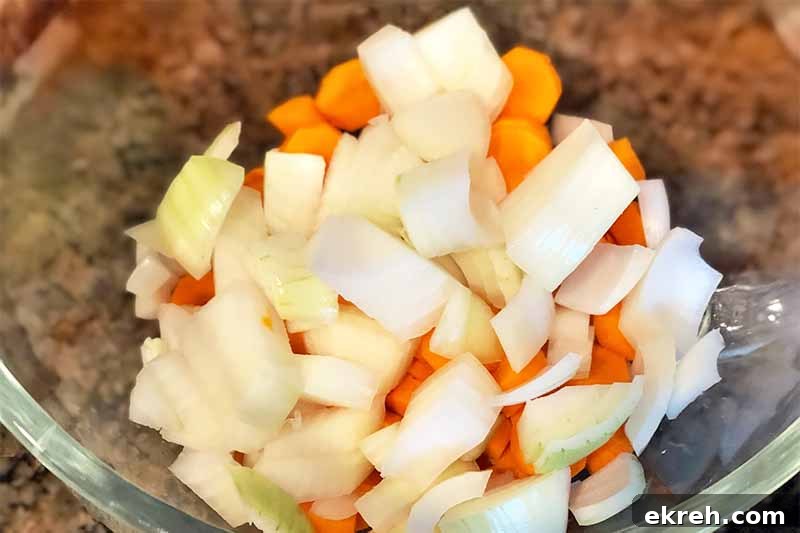
Measure your ingredients, rinse and peel the carrots, and cut them into 1-inch rounds. Roughly chop the onions. Preheat the oven to 375°F and line a large baking sheet with parchment paper.
Step 2 – Make Dukkah Spice Blend
Toast hazelnuts in a skillet over medium-low heat until fragrant. Allow to cool briefly, then rub to remove some skins and add to a food processor. Toast the sesame, coriander, cumin, and fennel seeds until aromatic, add to the processor with salt and pepper, and pulse to a coarse grind.
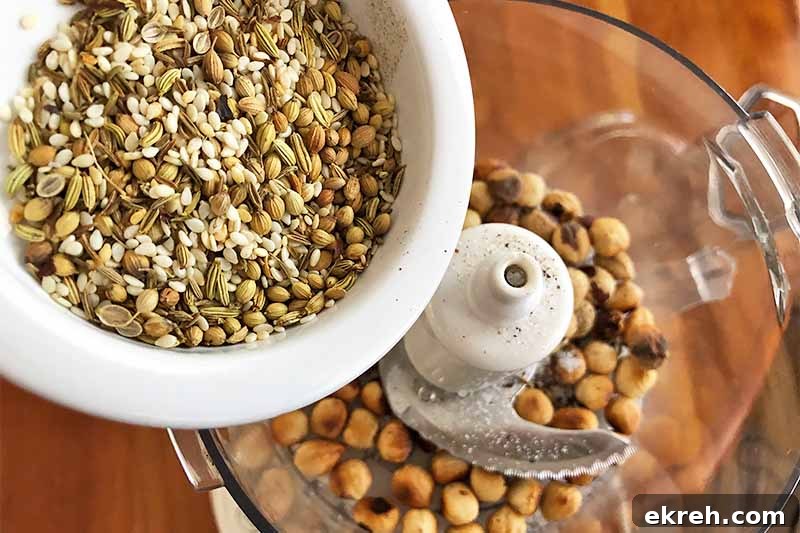
Notes: the blend can be prepared ahead and stored in a cool, dry place. It makes more than you need for one batch of soup and is delicious on eggs or roasted vegetables.
Step 3 – Roast Vegetables
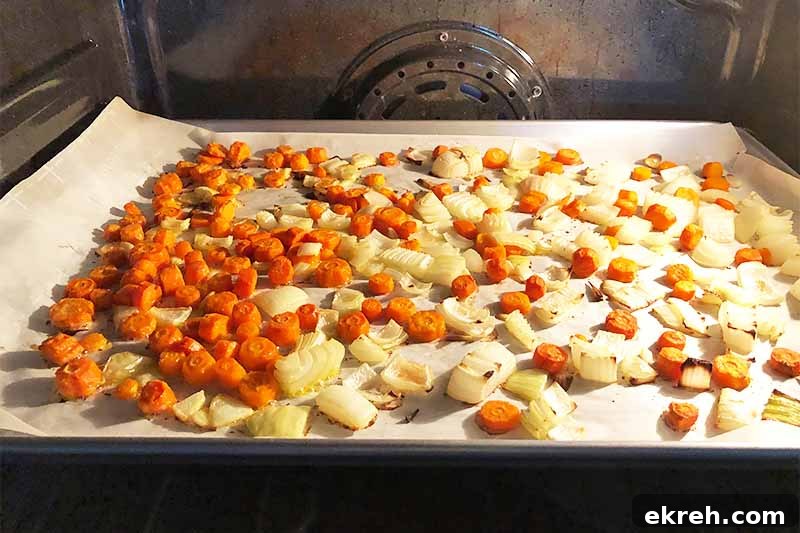
Toss the carrots and onions with melted unsalted butter, salt, and pepper. Arrange in a single layer on the baking sheet and roast until tender and lightly browned, about 45 minutes. Let cool slightly before blending to avoid splatter from hot liquid.
Step 4 – Puree Vegetables
Place the roasted vegetables in a blender with the vegetable broth and process until completely smooth. Use caution when blending hot ingredients—allow them to cool slightly and blend in batches or vent the lid.

Step 5 – Heat Through
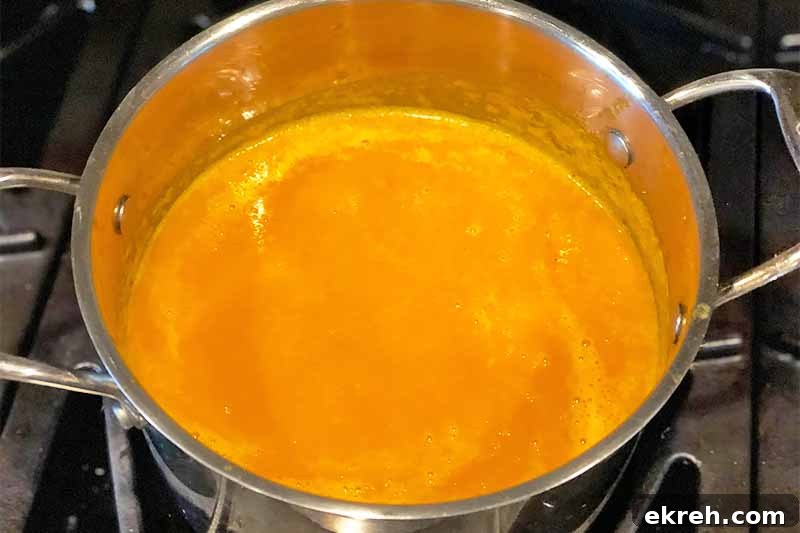
Warm the blended soup in a stockpot over medium heat, stirring occasionally. Bring to a simmer if using boxed or canned broth, then reduce the heat. Thin as needed with small amounts of water until you reach your preferred consistency.
Step 6 – Top with Spice Blend and Greek Yogurt
Ladle the soup into bowls and top each serving with a spoonful of dukkah and a dollop of plain Greek yogurt. Serve extra dukkah for guests who want more crunch and spice.
Onions Contribute More Than Just Flavor
Onions are often prized for the flavor they add, but they also contain important nutrients. For a food that’s low in calories, onions provide vitamin C, vitamin B6, folate, and potassium, along with antioxidants and sulfur compounds that may support metabolic and digestive health.
If you enjoy onion-forward soups, this roasted carrot and onion puree is a gentle, savory option that highlights the sweetness of carrots and the savory depth of roasted onions.
Photos by Kelli McGrane, © Ask the Experts, LLC. ALL RIGHTS RESERVED. Originally published on November 27, 2012. Last updated on November 29, 2020. With additional writing and editing by Kelli McGrane and Allison Sidhu.
Nutritional information is an approximation derived from generic food databases and is not a substitute for professional dietary analysis.