How to know if essential oils are pure
Did you buy fake essential oils? Learn how to test your oils so you can tell whether they’re genuine or diluted. These six clear signs will help you choose pure, high-quality essential oils and avoid being duped.
6 Unmistakable signs an essential oil is fake or low quality
Essential oils are popular for diffusers, cleaning, and topical use, but not all products labeled “essential oil” are pure. Some are diluted, contain synthetic fragrances, or were handled improperly during distillation and storage. Below are practical ways to spot a genuine essential oil and avoid ones that may be ineffective or potentially harmful.

Why purity matters
Pure essential oils are concentrated plant extracts that can have antimicrobial, soothing, or therapeutic effects when used properly. Oils cut with cheap carrier oils or synthetic fragrance will not perform the same way and may cause allergic reactions, skin irritation, or damage to diffusers. Choosing pure oils ensures safety, potency, and better results.
Six signs a bottle contains pure essential oil
1. The bottle and packaging
Pure essential oils should be stored in glass bottles, not plastic. The compounds in essential oils can degrade plastic and leach chemicals into the oil. The glass should be dark—amber, cobalt, or green—to protect the oil from UV light. Clear glass allows sunlight to break down the oil’s compounds and shorten shelf life.
Also check for a tight-fitting cap and an orifice reducer (dropper insert) that prevents spills and limits air exposure. Good packaging shows the company cares about preserving quality.
2. Therapeutic grade, testing, and transparency
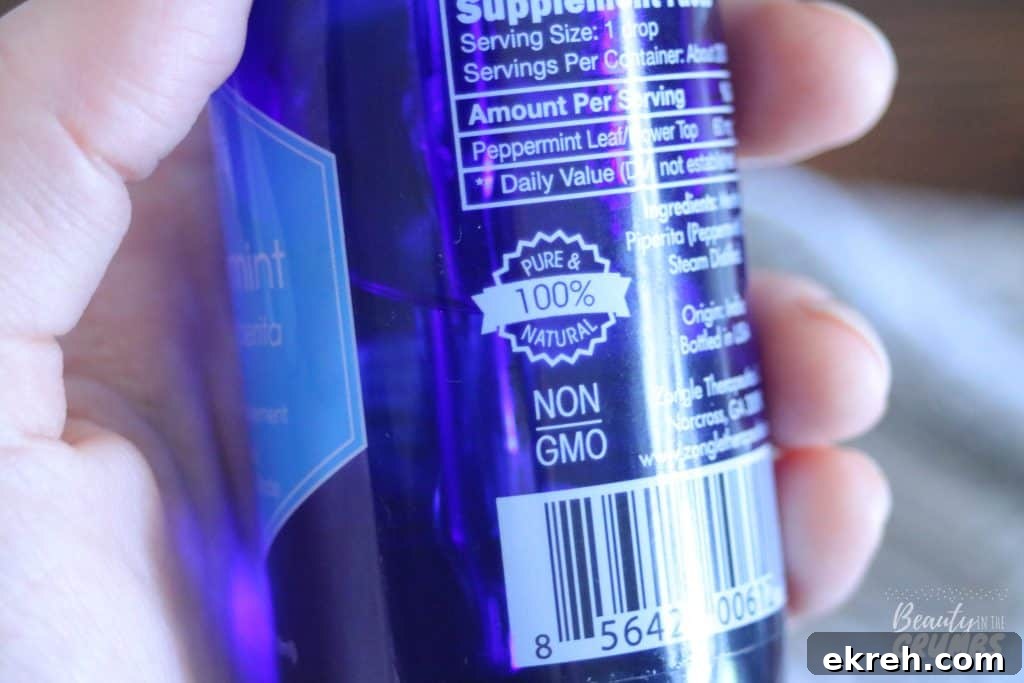
Look for language indicating the oil is 100% pure and suitable for therapeutic use. Even better: the company publishes GC/MS (gas chromatography–mass spectrometry) test results for batches. GC/MS reports show the oil’s chemical profile and can reveal adulteration. Ideally these tests are done or verified by a reputable third party and made available to customers.
3. Proper botanical labeling and ingredient list
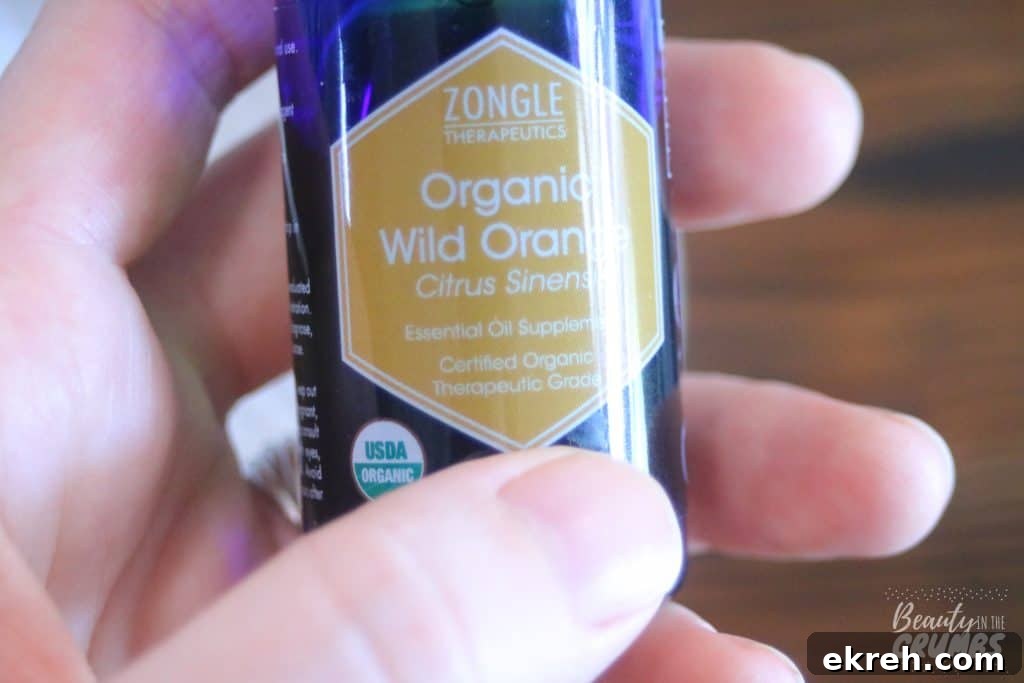
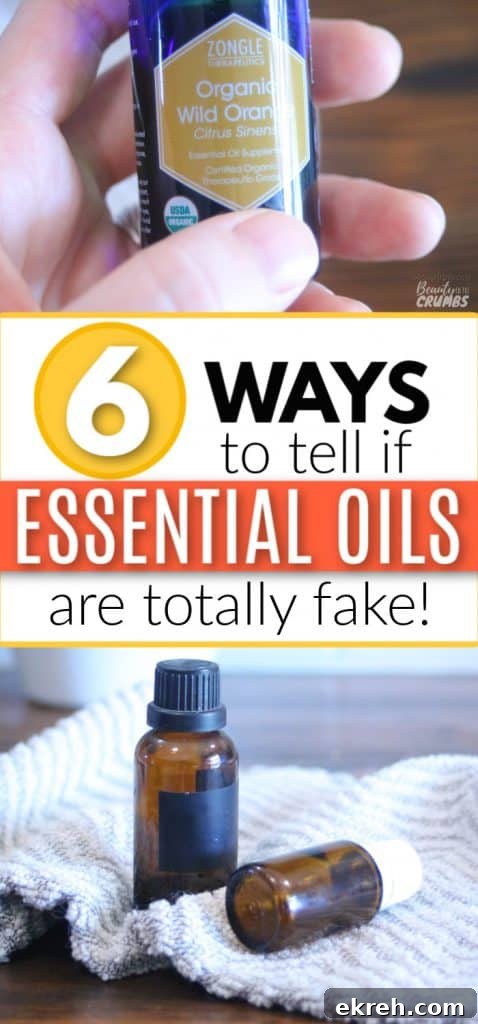
Quality bottles list both the common name and the botanical (Latin) name of the plant—for example, “Wild Orange (Citrus sinensis).” A clear ingredient list should show a single ingredient: the essential oil itself. If carrier oils, additives, or vague terms like “fragrance” are listed, the product is not a pure essential oil.
4. Slight natural variation is expected
Real plant-derived oils vary depending on soil, climate, harvest time, and distillation. Expect subtle differences in color, viscosity, and scent between batches and harvests. If every bottle of a particular oil smells and looks absolutely identical, it could indicate synthetic standardization or blending to mask variability. Small natural differences are a sign of authenticity.
5. Paper test for fillers

To screen for non-volatile carrier oils or inexpensive fillers, put one drop of the essential oil on plain white copy paper and let it dry fully. Pure essential oils generally evaporate cleanly and leave little to no oily ring. A visible, persistent oily ring can indicate added carrier oil. Note exceptions exist—some genuine oils such as patchouli, vetiver, German chamomile, and sandalwood may leave a darker mark due to their natural compounds.
6. Price should make sense
If a product is dramatically cheaper than comparable oils, be cautious. Producing true essential oils can be labor- and resource-intensive; extremely low prices often mean low-quality sourcing, dilution, or synthetics. That said, higher price does not automatically guarantee quality—evaluate price alongside packaging, labeling, and testing information.
Bonus tips: organic, MLMs, and brands
When possible, choose organic essential oils for products you plan to use on skin or ingest, since organic certification reduces the chance of pesticide residues. Multi-level marketing (MLM) brands can offer high-quality oils, but they are often more expensive due to distribution structure. You don’t need to pay a premium just for brand name—focus on the criteria above: glass packaging, botanical names, single-ingredient listings, GC/MS testing, and sensible pricing.
If you have a membership to an essential oil group and love their oils, it’s fine to stick with them. If you enjoy a brand and can afford it, supporting them is a valid choice.
Final thoughts
Spotting fake or low-quality essential oils takes a little attention to packaging, labeling, and available test data. Keep these six signs in mind when shopping: proper glass packaging, transparent testing and therapeutic-grade claims, botanical names and single-ingredient labels, natural variation between batches, a simple paper test for fillers, and reasonable pricing. Use these checks together rather than relying on a single factor, and you’ll be more likely to choose safe, effective essential oils you can trust.